Yemen's Houthi rebels claim attacks on two Saudi oil tankers in the Red Sea as the United States carries out its 12th consecutive night strike on Iran, raising fears of a widening maritime embargo in the strategic waterway.
Key Takeaways
- Houthis launched drone and missile attacks on two Saudi oil tankers.
- U.S. announced its 12th consecutive night strike against Iran.
- Disruption in the Red Sea could impact global shipping and fuel prices.
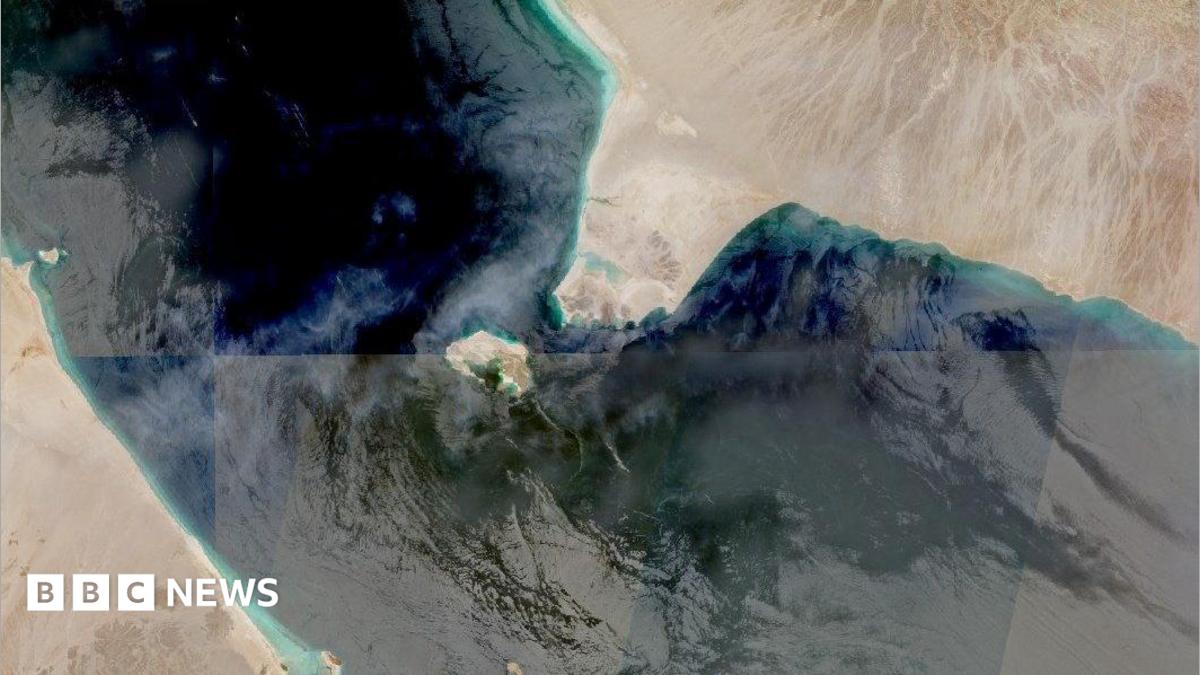
On July 23, Yemen's Iran‑backed Houthi movement announced that drones and missiles struck two Saudi oil tankers, the Encelia and the Layla, in the Red Sea. The attacks ignited fires but caused no fatalities. Simultaneously, the United States conducted its twelfth successive night‑time air raid on Iran, targeting maritime capabilities, missile‑drone storage sites, coastal surveillance installations, and air‑defence assets.
The Houthi insurgency, which began in 2004 against Saudi and UAE interests, received strategic backing from Tehran in 2015, dramatically expanding its operational reach. In May 2026 the group declared a “maritime embargo” against Saudi Arabia and warned of closing the Bab al‑Mandab Strait—the gateway to the Red Sea. This latest strike marks the first confirmed attack on Saudi vessels since that embargo was announced.
The Red Sea and the Strait of Hormuz are vital arteries for global oil transport; roughly a third of Saudi oil exports traverse these passages. Any disruption, whether from Houthi naval actions or U.S. retaliatory strikes, can cause shipping delays, rerouting costs, and spikes in oil prices worldwide.
Why This Matters (इसके मायने क्या हैं)
According to BozokMedia analysis, the convergence of Houthi maritime pressure and relentless U.S. air campaigns introduces fresh volatility into energy markets. When primary shipping lanes face threats, supply‑chain interruptions often translate into higher fuel costs, directly affecting economies dependent on oil imports.
Furthermore, the escalation deepens geopolitical tension across the Middle East. Extending the Iran‑U.S. conflict into the maritime domain threatens the principles of international maritime law and forces global trade stakeholders to reassess risk management strategies.
"The Red Sea is becoming an increasingly hazardous corridor for commercial vessels, and this adds a new risk premium to global oil pricing," noted a maritime security analyst.
Frequently Asked Questions (अक्सर पूछे जाने वाले प्रश्न)
Which tankers did the Houthis claim to attack?
The Houthis identified the Saudi vessels Encelia and Layla as targets, though confirmation of the Layla attack remains pending.
What were the objectives of the U.S. night strikes?
The United States aimed to degrade Iran’s ability to threaten civilian mariners by striking its maritime facilities, missile and drone storage sites, coastal surveillance centers, and air‑defence installations.