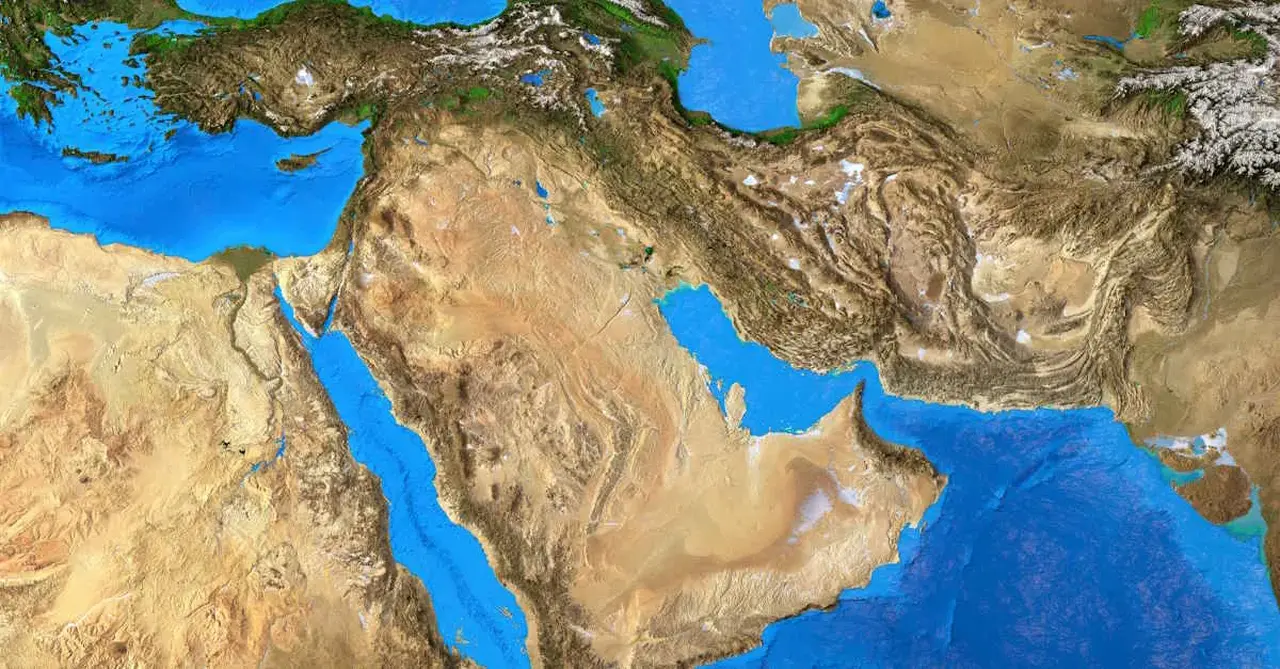
Key oil exporters in the Middle East are fast‑tracking alternative sea routes and pipelines to avoid the Strait of Hormuz, a chokepoint that could disrupt up to 20% of global oil flow. The move signals shifting geopolitical dynamics and aims to stabilise worldwide energy markets.
Key Takeaways
- Rising risk to oil export continuity
- Accelerated development of alternative sea routes and pipelines
- Potential impact on global oil prices amid regional tensions
According to an AP report, major Middle Eastern oil producers—including Saudi Arabia, the United Arab Emirates, Kuwait and Qatar—are expediting projects that would allow them to bypass the strategically vulnerable Strait of Hormuz. The initiatives involve new transshipment hubs, expanded tanker lanes, and land‑based pipeline corridors designed to keep oil flowing even if the strait is closed.
The Hormuz Strait carries roughly one‑fifth of the world’s petroleum shipments, so any disruption can send shockwaves through global markets. To hedge against this risk, exporters are not only reinforcing maritime alternatives but also fast‑tracking land pipelines such as the proposed Iraq‑Saudi link, which would provide a direct overland route to the Persian Gulf.
Historical Background
Over the past two decades, the Hormuz corridor has seen multiple flashpoints—from the 2019 tanker attacks to the 2020 U.S.–Iran tensions—that temporarily halted shipments and spiked oil prices. Those incidents prompted the industry to explore backup routes, but today those contingency plans are evolving into permanent infrastructure.
Why This Matters
BozokMedia analysis shows that the rapid rollout of bypass routes strengthens regional energy security while tempering price volatility on the world stage. Investors and policymakers must monitor these developments closely, as they will shape trade flows and geopolitical leverage for years to come.
"Bypassing Hormuz is the future of energy security, yet it brings higher costs and environmental challenges," says Dr. Riya Ahmad, senior energy analyst.
Frequently Asked Questions
Q1: Will the new sea routes be accessible to existing oil companies?
A: Yes, most major oil firms have already secured agreements to use the alternative corridors.
Q2: How will this strategy affect global oil prices?
A: Analysts believe that sustained supply through bypass routes will dampen the likelihood of sudden price spikes.