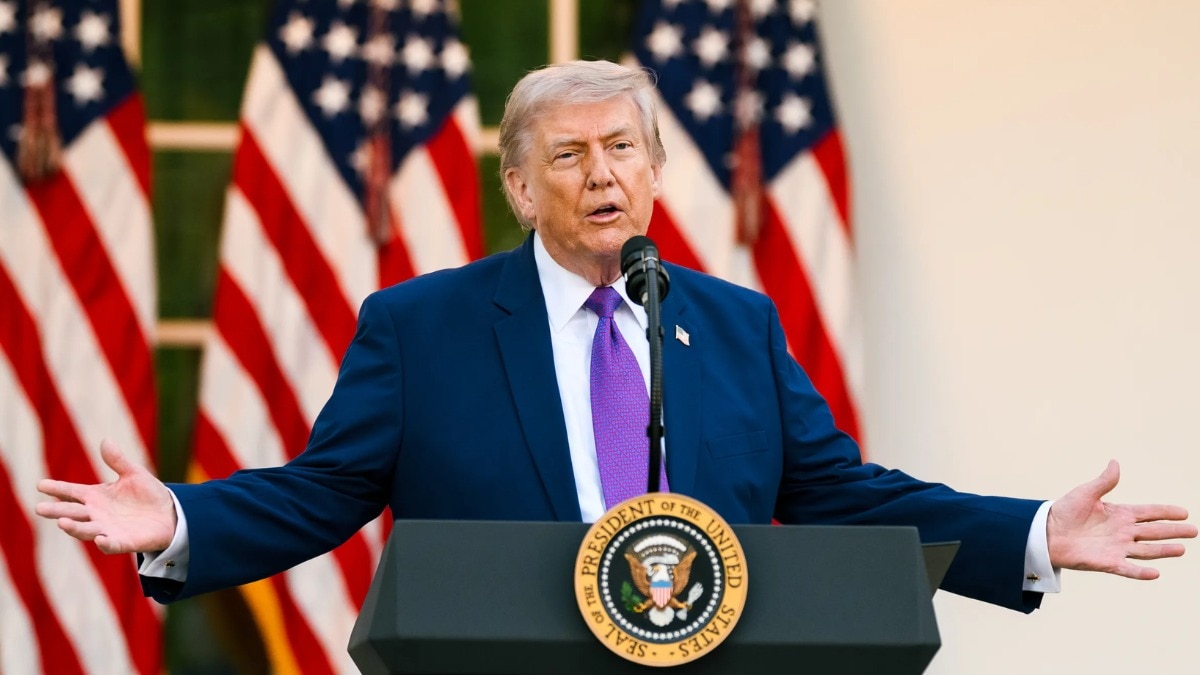
Following attacks on Saudi tankers in the Red Sea, former President Donald Trump warned the Houthis and Iran of a "major military punishment." The statement raises the stakes in an already volatile Middle‑East security environment.
Key Takeaways
- Trump threatens Houthis and Iran with a major military response
- Attacks on Saudi vessels have pushed Brent crude above $100 a barrel
- Potential U.S. involvement could reshape global shipping routes
Former U.S. President Donald Trump issued a stark warning after a series of Red Sea strikes on Saudi oil tankers, declaring that the Houthis and Iran would face "major military punishment." The comment adds a new layer of tension to an already fraught regional security landscape.
The Houthi rebels, a Yemeni militia backed by Iran, have recently targeted several Saudi tankers, driving Brent crude past the $100‑per‑barrel mark and prompting concerns from India and other oil‑importing nations about the safety of their supply chains.
Historical Background: Since 2015, the Yemeni civil war has seen Houthi forces frequently strike Saudi‑linked vessels in the Red Sea. These maritime attacks have periodically disrupted global oil flows, underscoring the strategic importance of the narrow waterway.
Why This Matters
BozokMedia analysis shows that any escalation involving the United States could reshape naval deployments across the Red Sea, potentially disrupting global energy markets and prompting a reevaluation of maritime security protocols by major shipping firms.
“If Trump’s threat translates into action, the naval tension in the region could reach unprecedented levels,” says Dr. Aisha Rahman, Middle‑East security analyst.
Iran has not publicly confirmed its involvement, but its strategic interests in the Red Sea remain clear, raising the specter of a broader proxy conflict between Tehran and Riyadh.
Frequently Asked Questions
Why are the Houthis targeting Saudi ships? The group seeks to pressure Saudi Arabia over its involvement in Yemen’s civil war and to draw international attention to its political demands.
Will oil prices rise further because of this threat? Heightened geopolitical risk typically pushes crude prices higher, at least in the short term, until market participants gauge the likelihood of actual military action.