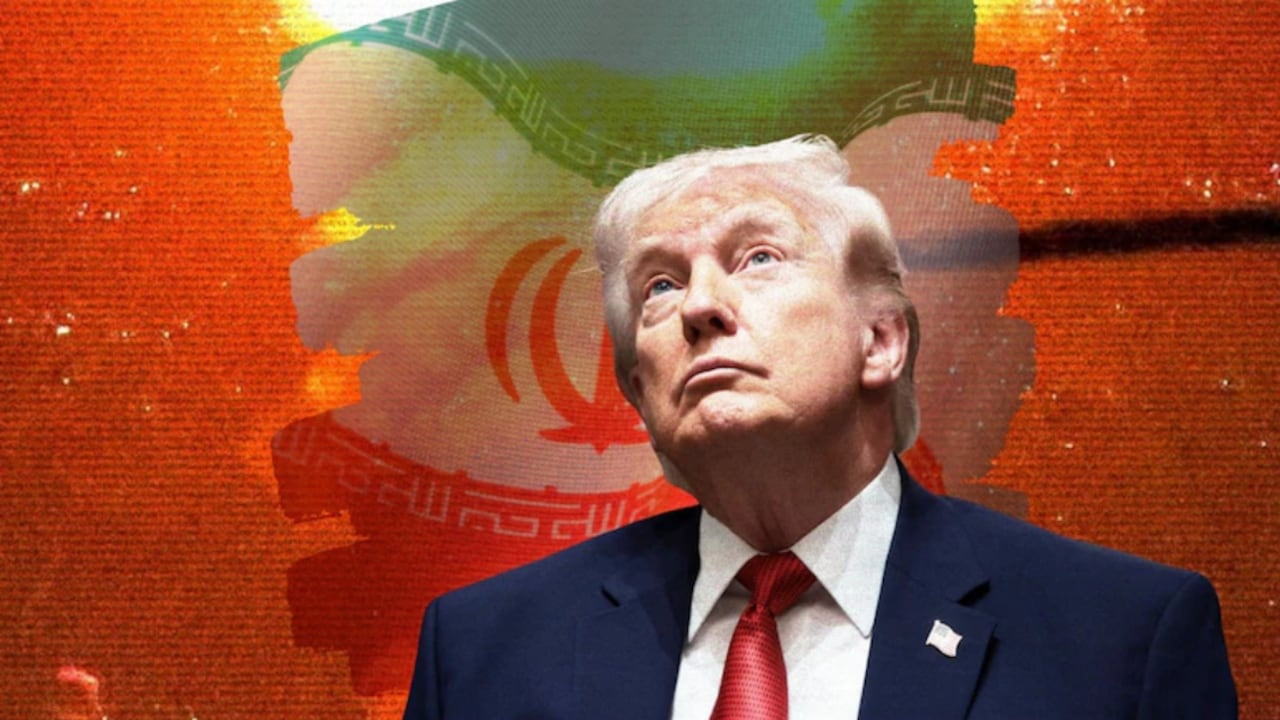
U.S. President Donald Trump signaled he may launch the biggest attack on Iran to date, as Tehran retaliates across the Gulf, hitting Kuwait, Bahrain and Jordan. The escalation fuels fears of an energy crisis and market upheaval.
Key Takeaways
- Trump signals a massive strike on Iran, larger than any previous operation.
- Iran fires missile and drone attacks on Kuwait, Bahrain and Jordan.
- Gulf energy prices surge amid heightened military tension.
Donald Trump told Axios that he is "considering a massive attack" that would be "bigger than ever before," adding, "We are all set for it and close to a decision."
Iran’s Foreign Minister Abbas Araghchi warned of "an eye for an eye" retaliation against any future U.S. strikes, especially those targeting Iranian infrastructure.
The Islamic Revolutionary Guard Corps (IRGC) confirmed missile and drone hits on U.S. assets in Jordan and Kuwait and claimed responsibility for destroying a telecommunications tower in Kuwait as a direct response to U.S. attacks on Iranian towers.
Why This Matters
BozokMedia analysis shows that the escalation could cripple global oil supply chains, pushing Brent crude beyond $100 per barrel and jeopardizing economic recovery worldwide.
"If diplomatic channels remain closed, the stability of the Middle East could descend into a prolonged crisis," said Dr. Emily Carter, senior security analyst.
Meanwhile, Yemen’s Houthi rebels fired at two Saudi tankers in the Red Sea, prompting international condemnation and a fresh spike in oil prices. UN Secretary‑General Antonio Guterres described the situation as "teetering on the edge of the unimaginable."
Frequently Asked Questions
Q1: Is a large‑scale U.S. strike on Iran actually imminent?
A: No official orders have been released yet, but the President’s statements suggest serious consideration.
Q2: How will this conflict affect global oil prices?
A: Analysts warn that any further military action could push prices higher, amplifying economic volatility worldwide.