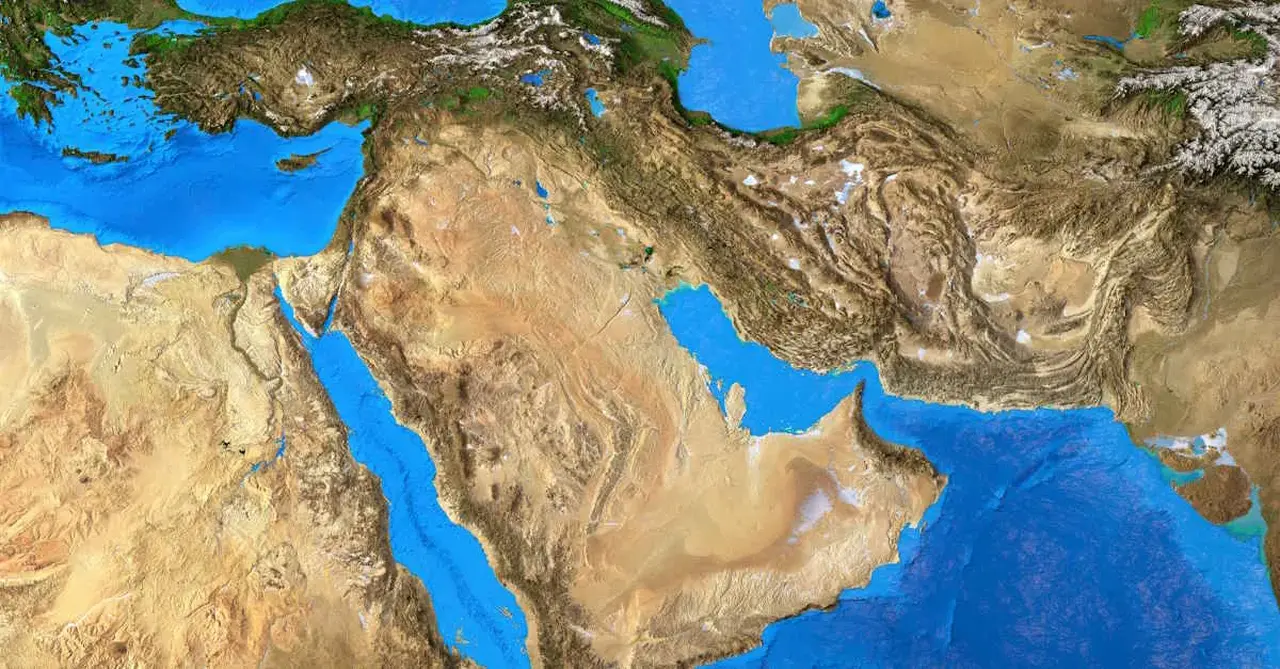
The military confrontation between the US and Iran intensifies as American strikes enter their 13th consecutive night. Amidst the chaos, Iran has claimed retaliatory drone strikes on US assets in Bahrain and Jordan, sending global oil prices skyrocketing.
Key Takeaways
- US military completed its 13th consecutive night of strikes against Iranian targets.
- Iran claimed drone attacks on US military bases in Bahrain and Jordan.
- Global oil prices surged above $100 per barrel due to Red Sea tensions.
- Tehran rejected a US-backed ceasefire proposal presented via Iraq.
The escalating war between the United States and Iran has reached a critical juncture. Following signals from President Donald Trump that a ceasefire is not imminent, the US military has carried out its 13th consecutive night of airstrikes against Iranian military assets. Iranian state media reports that at least four individuals have been killed in the latest onslaught in the Khuzestan province.
Why This Matters
BozokMedia analysis shows that this conflict is rapidly expanding beyond bilateral borders. By claiming to target the Sheikh Isa Air Base in Bahrain and the Al-Azraq Air Base in Jordan, Iran is signaling a willingness to engage US regional allies, significantly raising the stakes for a wider Middle Eastern war.
Iranian Foreign Minister Abbas Araghchi warned that seizing national assets to pay for unrelated claims sets an 'incendiary precedent.'
The geopolitical instability is directly impacting the global economy. With Houthi rebels targeting Saudi vessels in the Red Sea, Brent crude has surged above the $100 per barrel mark for the first time since May. President Trump has asserted that any maritime damages will be compensated using frozen Iranian assets, a move that Tehran has labeled as a violation of international norms.
Historical Background
The tension surrounding the Strait of Hormuz remains a central pillar of this conflict. Control over this vital maritime chokepoint is essential for global energy security. The current refusal by Tehran to accept a ceasefire—due to unresolved questions regarding Hormuz—highlights the deep-seated distrust and the strategic importance of maritime dominance in the region.
| Factor | United States Position | Iran Position |
|---|---|---|
| Ceasefire Status | Requires more military action | Rejected (Unresolved Hormuz issue) |
| Financial Assets | Will use frozen funds for damages | Claims seizure is illegal/incendiary |
| Military Strategy | Continuous precision airstrikes | Retaliatory drone operations |
Frequently Asked Questions
1. Where did Iran claim to launch its retaliatory strikes?
Iran claimed to have launched drones toward US military sites in Bahrain and Jordan.
2. How has the war affected oil prices?
Oil prices have jumped above $100 per barrel due to the conflict and Houthi attacks in the Red Sea.