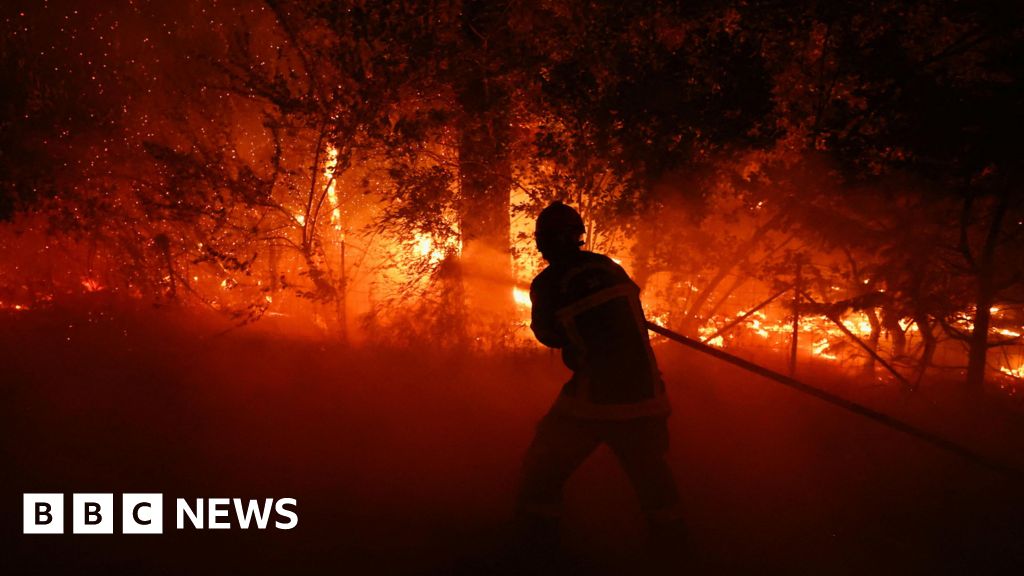
The US military has concluded its 13th consecutive night of strikes against Iranian targets. As President Trump hints at a 'massive attack,' Tehran warns of a devastating price for escalation.
Key Takeaways
- US forces have completed 13 consecutive nights of targeted strikes in Iran.
- President Trump is weighing the possibility of a "massive attack."
- Iranian leadership warns of a "heavier price" for continued US aggression.
The geopolitical landscape of the Middle East has reached a boiling point as the United States military confirmed the completion of its 13th consecutive night of strikes against Iran. These targeted operations mark a significant escalation in the ongoing hostilities between the two regional powers.
Escalation: Trump's 'Massive Attack' Threat
In a move that has sent shockwaves through international diplomatic circles, President Donald Trump stated that he is actively considering a "massive attack" against Iran. This rhetoric suggests that the current nocturnal strikes may only be the precursor to a much larger-scale military intervention.
Why This Matters
BozokMedia analysis shows that this conflict transcends regional borders. A full-scale escalation between the US and Iran could lead to a total disruption of global energy corridors, specifically the Strait of Hormuz, potentially triggering a global economic crisis and reshaping international alliances.
The window for diplomatic resolution is narrowing rapidly as military operations on the ground dictate the political agenda.
In response to the relentless strikes, Iranian leaders have issued a stern warning. They emphasized that any attempt to escalate further will result in a "heavier price" for the United States, hinting at asymmetric warfare or regional proxy responses that could target US interests globally.
Historical Background
The animosity between the US and Iran is rooted in decades of diplomatic friction, primarily centered around Iran's nuclear program, its influence in the Middle East, and the US-Israel strategic partnership. The current military cycle represents one of the most intense periods of direct confrontation in recent history.
Frequently Asked Questions
1. What is the current status of the US-Iran conflict?
The conflict has moved into a phase of sustained military strikes, with both nations preparing for potential larger-scale engagements.
2. How might this affect global oil prices?
Increased instability in the region typically leads to a spike in oil prices due to fears of supply disruptions.