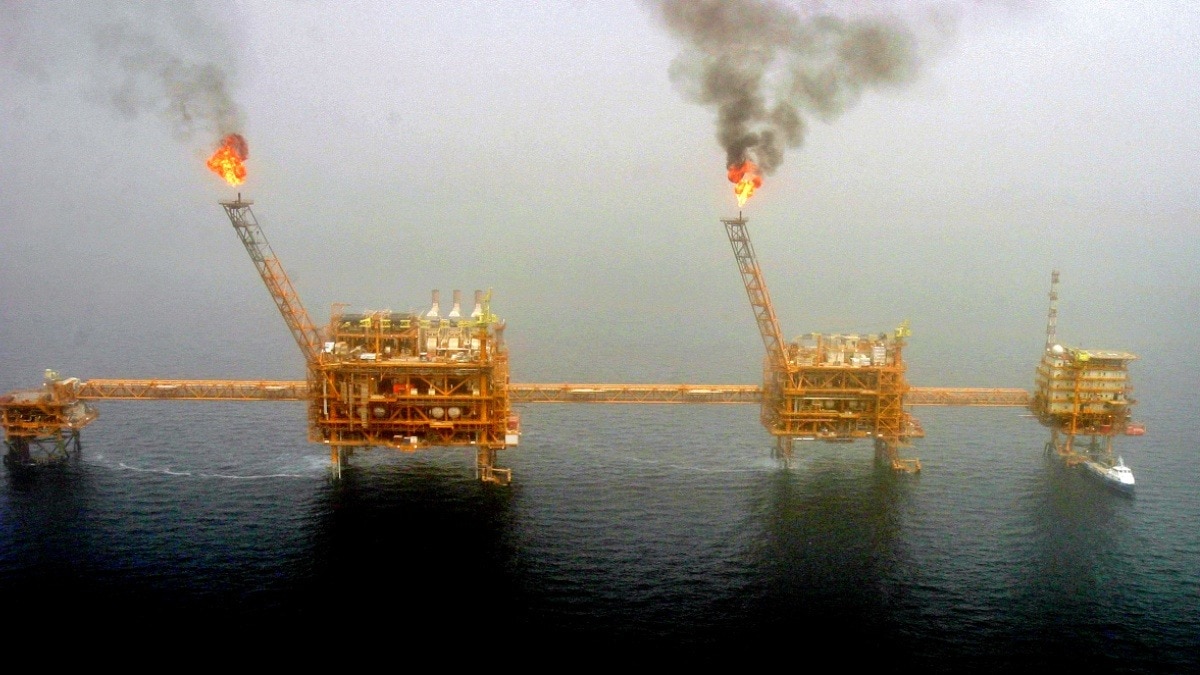
Iran's oil minister announced that the nation successfully sold $18 billion worth of oil during recent hostilities and the subsequent ceasefire with the US. This revenue accounts for over 60% of Iran's projected oil budget.
Key Takeaways
- Iran generated $18 billion from oil sales during the conflict and ceasefire.
- The revenue exceeds 60% of Iran's projected annual oil budget.
- Houthi militants targeted Saudi Aramco facilities in the Red Sea region.
- Tensions rose in the Caspian Sea following an attack on an Iranian vessel.
In a significant economic update, Iran's oil minister, Mohsen Paknejad, revealed that the country has managed to sell $18 billion worth of oil during the ongoing conflict and the subsequent period of 'ceasefire' with the United States. This massive influx of capital is a critical lifeline for Tehran, representing more than 60% of the total oil revenue projected in Iran's annual budget.
Paknejad noted that the reduction in risks to tanker traffic played a pivotal role in boosting exports. This stability allowed Iran to tap into its strategic reserves, selling a portion of the estimated 100 million barrels of crude oil and gas condensate held in storage. Despite the geopolitical volatility, Iran's ability to maintain export flows remains a cornerstone of its national economy.
Why This Matters
BozokMedia analysis shows that Iran's ability to monetize its energy assets during active conflict demonstrates a high level of economic resilience. The revenue provides the Iranian government with the necessary liquidity to navigate international sanctions and fund domestic operations, even as military tensions escalate in the Middle East.
The strategic sale of oil during wartime proves that energy remains Iran's most potent tool for economic survival.
However, the security landscape remains precarious. Houthi militants have recently intensified attacks on Saudi Arabian oil installations, specifically targeting Aramco facilities in Jizan and Yanbu. These strikes in the Red Sea threaten to disrupt vital global shipping routes and could potentially reignite broader regional instability.
Historical Background
For decades, Iran has navigated a complex web of international sanctions aimed at curbing its nuclear program and regional influence. By diversifying its buyer base and utilizing unconventional shipping methods, Tehran has consistently found ways to sustain its oil-driven economy despite intense pressure from Western powers.
Frequently Asked Questions
1. How much oil revenue did Iran generate during the conflict?
Iran reported selling $18 billion worth of oil during the war and ceasefire periods.
2. What is the impact of Houthi attacks on the Red Sea?
The attacks on Saudi Aramco facilities increase the risk of disrupting global oil supply chains and shipping routes.
