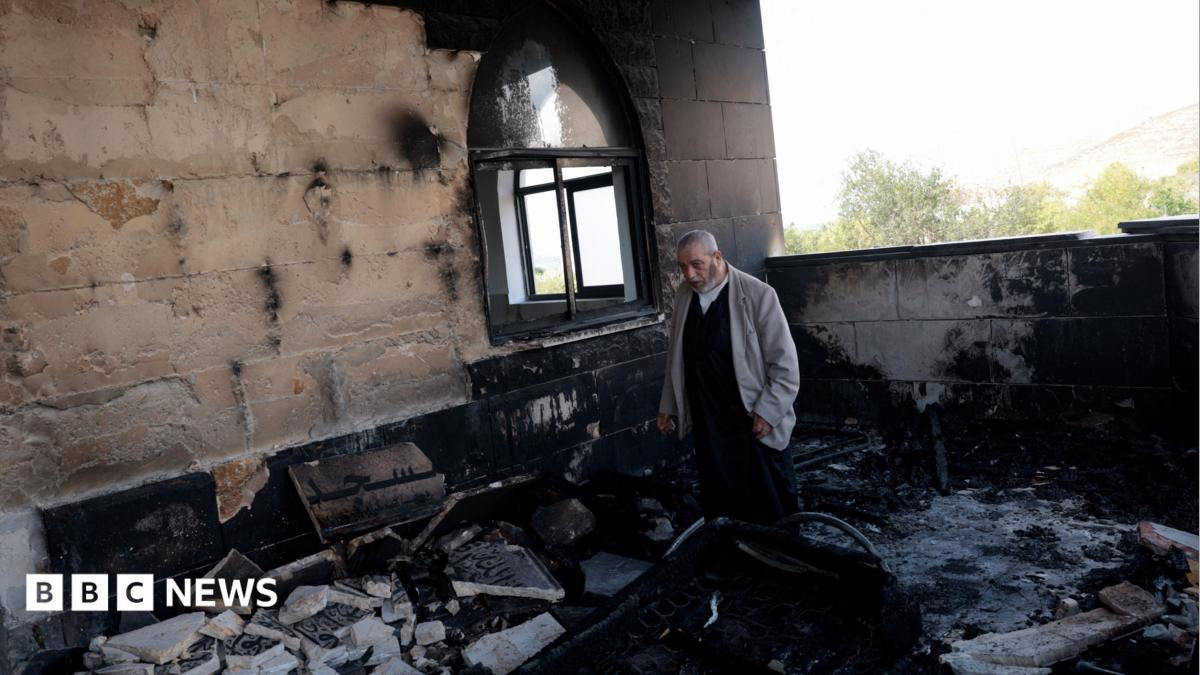
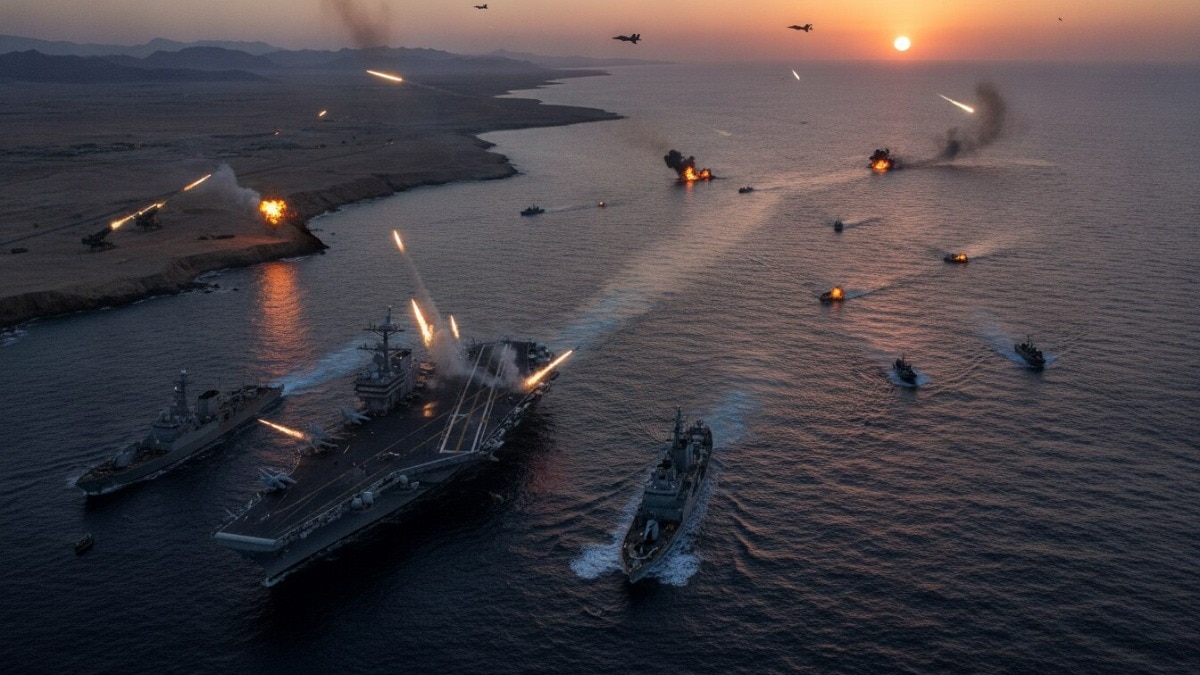
Tehran launched multiple attacks on U.S. military installations in the Gulf, pushing the US‑Iran conflict to a new high. Mediation attempts continue, but a cease‑fire remains elusive.
Key Takeaways
- Iran targeted U.S. bases in the Gulf with rockets and drones.
- The United States pledged a strong military response.
- Diplomatic cease‑fire proposals have so far stalled.
Recent Developments
Iran fired rockets and drones at two major U.S. installations – Al-Mukawam and Al‑Shaifa – located in the Gulf. The U.S. military reported no damage but warned of heightened risk to regional civilians. President Trump labeled the attacks "unacceptable" and hinted at a possible broader military retaliation.
International Mediation Efforts
Representatives from the United Arab Emirates, Qatar and the European Union have offered a 10‑day truce, conditional on Iran’s demands regarding the Strait of Hormuz. Iraq’s prime minister rejected the U.S. cease‑fire proposal, adding another layer of diplomatic complexity.
Historical Background
The U.S.–Iran rivalry traces back to the 1979 Islamic Revolution, which saw the seizure of the American embassy in Tehran. The 2020 U.S. drone strike on Iranian General Qasem Soleimani and Iran’s subsequent retaliation further strained relations. The most severe recent tension followed the 2015 Iran nuclear deal, abandoned by the Trump administration in 2018.
Why This Matters
BozokMedia analysis shows that the escalating Gulf conflict could destabilize global oil prices and threaten critical shipping lanes, impacting the world economy.
"If diplomatic channels fail, this could spiral into a large‑scale regional military clash," warns international security expert Dr. Raina Salim.
Frequently Asked Questions
- Q: Are Iran’s attacks legal under international law?
A: Most legal experts consider unprovoked attacks on military facilities unlawful. - Q: Will oil prices rise because of this tension?
A: Yes, market volatility is likely to push oil prices higher in the short term.