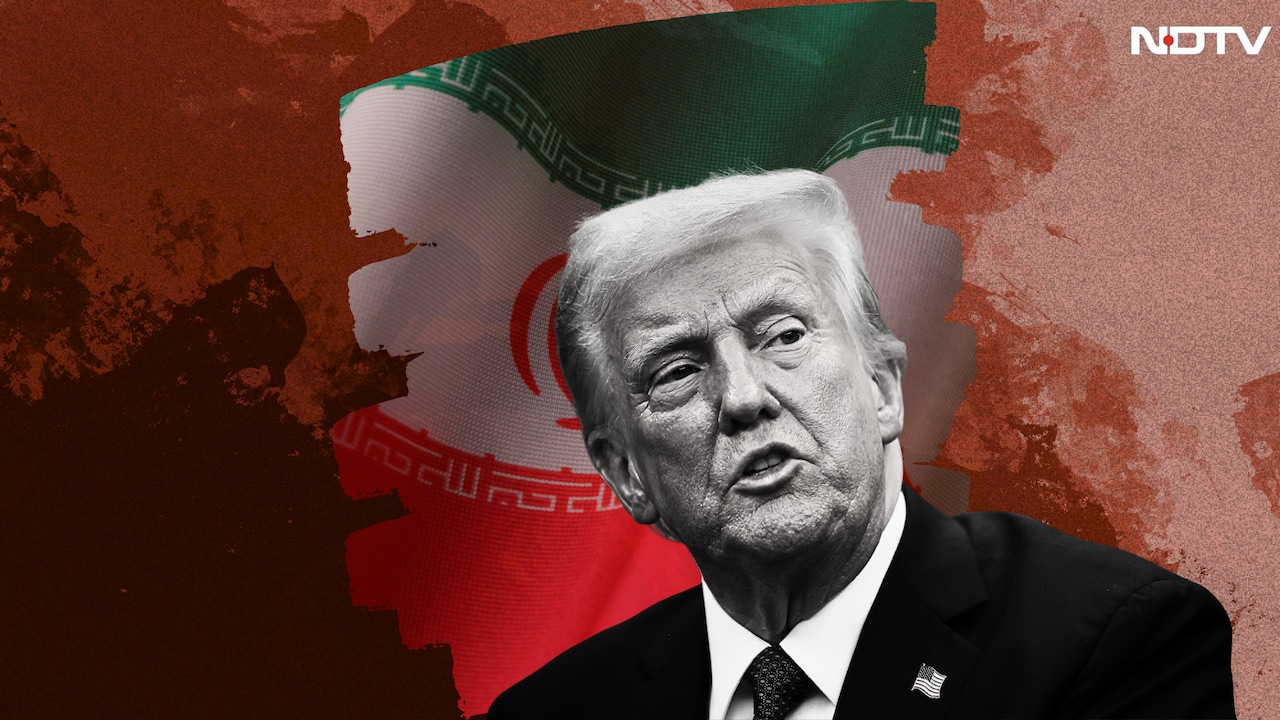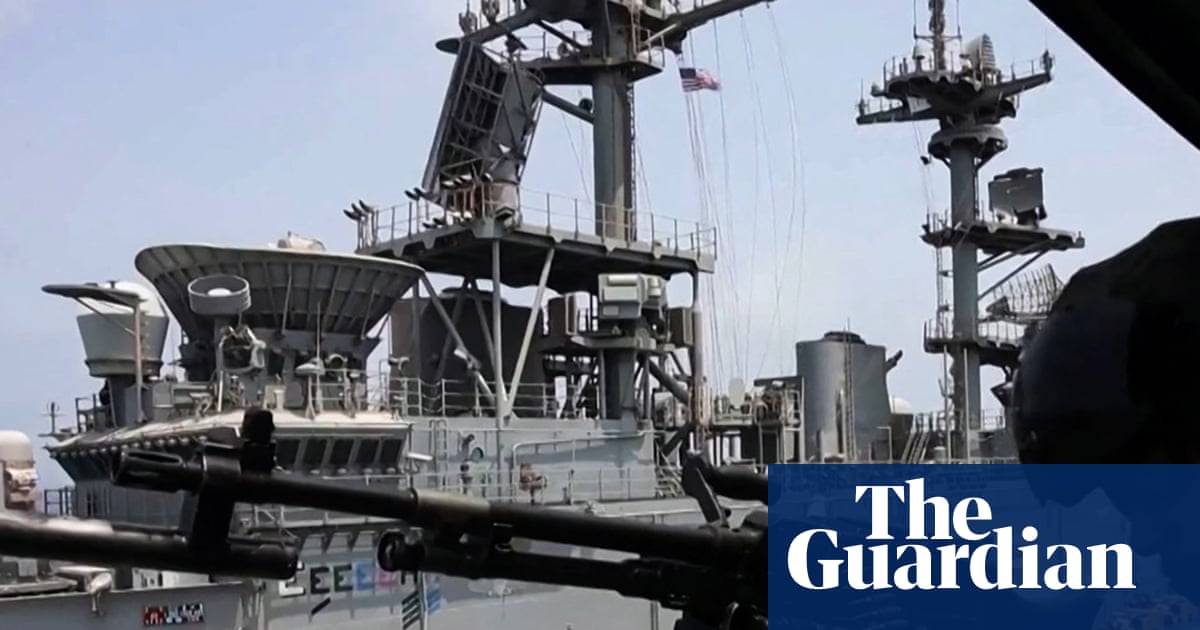
As diplomatic efforts to avert an all-out war escalate, the US has suspended military strikes against Iran for a second night. President Trump is navigating a complex landscape of dwindling munitions and high-stakes diplomacy.
Key Takeaways
- US military operations against Iran have been paused for two consecutive nights.
- Diplomatic negotiations involving Iran and Oman aim to reopen the Strait of Hormuz.
- Military chiefs have warned President Trump about depleting ammunition stockpiles.
- Israeli PM Netanyahu is scheduled to visit the White House this Tuesday.
In a critical development for Middle East stability, US naval forces have paused their operations against Iran for a second night. This temporary lull comes as high-level diplomatic negotiations continue in an attempt to prevent the regional conflict from escalating into a full-scale war. Donald Trump is reportedly weighing a delicate balance between aggressive military action and diplomatic engagement.
Tehran has also signaled a temporary halt to its 'retaliatory' operations. Iranian army spokesperson Mohammad Akraminia confirmed that while US attacks had continued until two nights ago, the recent pause has allowed for a momentary cessation of hostilities. However, tensions remain high regarding the control of vital maritime routes.
Why This Matters
BozokMedia analysis shows that the stability of the Strait of Hormuz is the linchpin of this conflict. With approximately 20% of the world's oil and gas passing through this conduit, any prolonged closure or military engagement in this area could trigger a global economic catastrophe and unprecedented energy price hikes.
The current pause is a tactical breather in a high-stakes game of geopolitical chess where ammunition levels are as critical as diplomatic words.
Internal pressure within the Trump administration is mounting. Senior officials, including Vice President JD Vance and military leadership, have warned the President that sustained combat could exhaust critical supplies of Patriot missiles and Tomahawk cruise missiles.
Historical Background
The conflict has intensified over the last five months, following the collapse of a previous ceasefire brokered by Washington. The US has accused Iran of targeting US allies and obstructing maritime traffic, leading to a cycle of retaliatory strikes that have brought the region to the brink of total war.
Frequently Asked Questions
1. Is a permanent ceasefire in sight?
While negotiations are ongoing via mediators like Oman, the situation remains volatile and dependent on both US and Iranian concessions.
2. How does Israel influence these talks?
Prime Minister Benjamin Netanyahu remains a vocal critic of concessions to Iran and his upcoming visit to Washington is expected to exert significant pressure on the US administration.