The United States claimed Iran was begging for talks, but Tehran flatly denied the allegation, stating such behavior is not in its DNA. Iran also reaffirmed its control over the Strait of Hormuz while keeping diplomatic avenues open.
Key Takeaways
- Iran dismisses U.S. claim that it is begging for talks
- Tehran says begging is not in its DNA
- Iran reasserts control over the Strait of Hormuz
Ceasefire Triggers Market Shift
President Donald Trump paused the two‑week air campaign against Iran. Following the U.S. move, Iran announced it would also hold fire as long as the American ceasefire remains in effect.
The decision sent crude prices tumbling, with Brent slipping below $90 per barrel after briefly crossing the $100 mark.
Iran’s Official Rebuttal
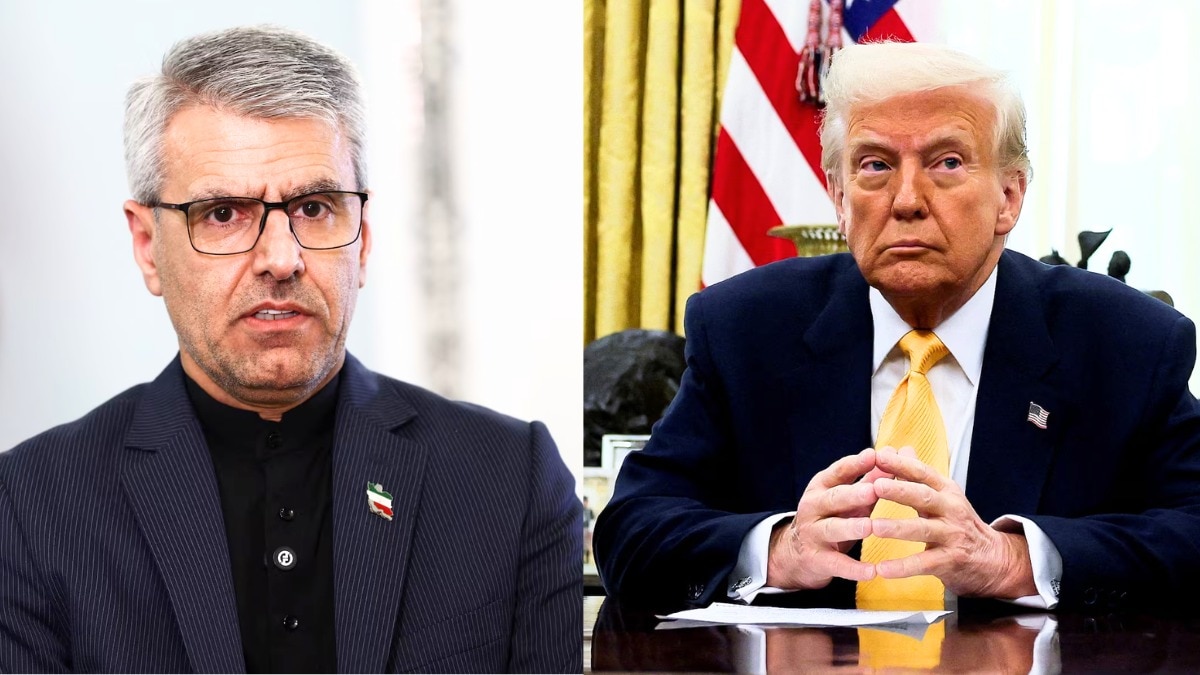
Ismail Baghaei, spokesperson for Iran’s Foreign Ministry, told reporters that Tehran has never requested peace talks with Washington. “Stories that Iran is begging the United States for negotiations are completely fabricated. Such a stance is not in our DNA,” he said.
Control Over Hormuz
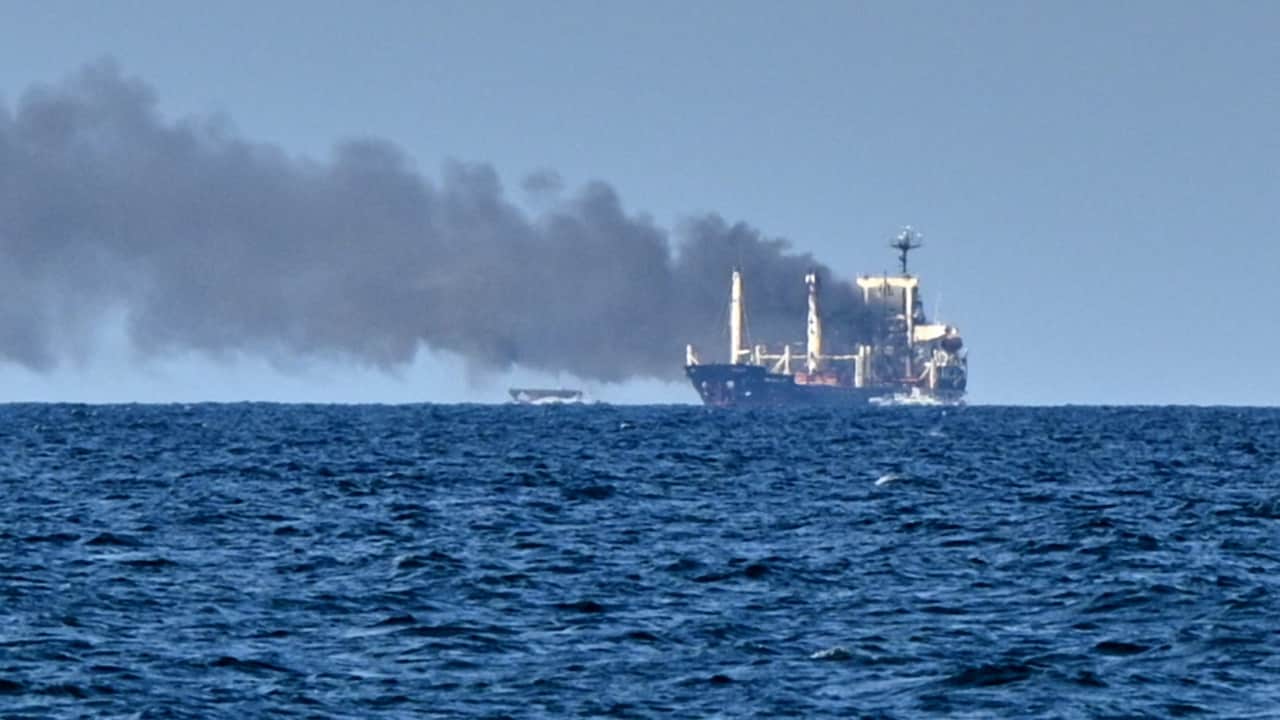
Iran reiterated its claim of control over the Strait of Hormuz. Six vessels attempting to transit the strait on Monday were turned back, one of them suffering a mishap. Iran insists that any ship traffic will follow routes it has designated close to its coastline.
Why This Matters
BozokMedia analysis shows that the rhetoric surrounding “DNA” reflects deeper nationalistic narratives used by Tehran to rally domestic support while keeping diplomatic channels open. The stance impacts global oil supply chains and regional security dynamics.
“Iran’s dismissal of begging language is as much a domestic political tool as it is a diplomatic signal,” says Dr. Leila Farhadi, Middle‑East policy expert.
Frequently Asked Questions
Q1: Did Iran actually ask the United States for peace talks?
A: No, Iranian officials have categorically denied any such request.
Q2: How does Iran’s claim over Hormuz affect international shipping?
A: The claim raises navigation risks in the region, potentially increasing insurance premiums and rerouting costs for commercial vessels.