Ukrainian long‑range drones have struck Iranian vessels in the Caspian Sea, jeopardising the India‑Russia‑Iran trade artery. The escalation threatens the $100 billion India‑Russia trade plan and the International North‑South Transport Corridor (INSTC).
Key Takeaways
- Ukrainian drones hit an Iranian merchant ship in the Caspian Sea.
- India’s critical Mumbai‑Moscow INSTC corridor faces new security risks.
- Russia‑Iran maritime trade routes are now under heightened scrutiny.
Conflict Spreads to the Landlocked Sea
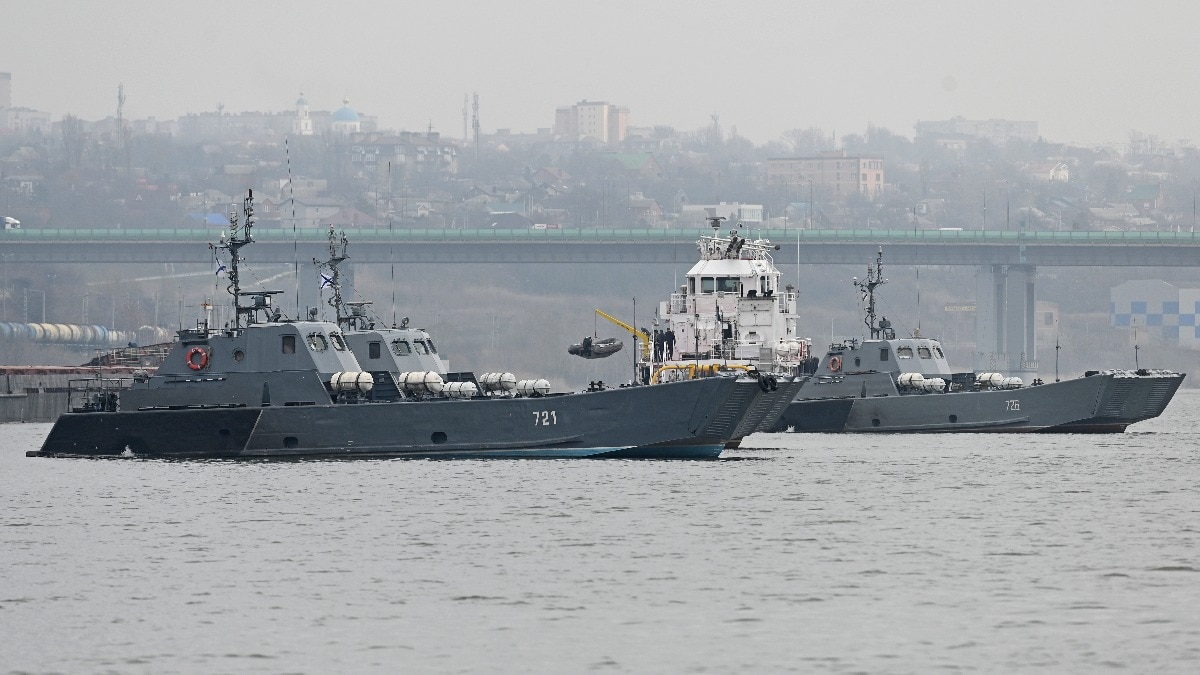
On July 25, Ukrainian long‑range drones targeted an Iranian merchant vessel in the Caspian Sea, killing one sailor and wounding another. Iran’s foreign minister denounced the strike as a “hostile and criminal act,” while President Zelensky hailed it as a “very strong result.”
Last December, similar drones struck Russian oil rigs in the same sea – the first war‑related action over 700 km from Ukrainian territory. Earlier this year, Israeli jets sank Iranian corvettes near Bandar Anzali, intensifying the geopolitical scramble for the Caspian.
Historical Background
The Caspian Sea, larger than India’s state of Rajasthan, has long served as a trade conduit among Russia, Iran, Turkmenistan, Kazakhstan and Azerbaijan. In 2020, India launched the International North‑South Transport Corridor (INSTC), a 7,200‑km network linking Mumbai to Moscow via rail, road and sea.
U.S. intelligence in 2023 revealed that Iran was funneling drone components across the Caspian into Russia’s Volga‑Yelabuga complex, feeding the production of Geran‑2 drones – a clear sign of deepening military cooperation.
Why This Matters
BozokMedia analysis shows that the growing Caspian flashpoint not only threatens India‑Russia commercial ties but also risks global oil and drone supply chains. The United States views the inland sea as a critical bypass for sanctioned Russian‑Iran cargoes, making it a strategic flashpoint.
"If hostilities intensify in the Caspian, the INSTC could become economically unviable," warns international security expert Prof. Anjali Singh.
Did You Know?:
Why This Matters
India’s state‑run Goa Shipyard was contracted to build 24 river‑sea class cargo vessels for Russian clients operating in the Caspian, a keystone of a projected $100 billion trade deal by 2030. Ongoing conflicts now place those projects on hold.
Frequently Asked Questions
Q1: How will the Caspian escalation affect the INSTC?
A: Increased security risks could delay cargo movement between Mumbai and Moscow, raising costs and undermining the corridor’s reliability.
Q2: Will the Goa Shipyard vessels still be built?
A: Construction remains uncertain; a diplomatic solution to secure safe shipping lanes is needed before work can resume.