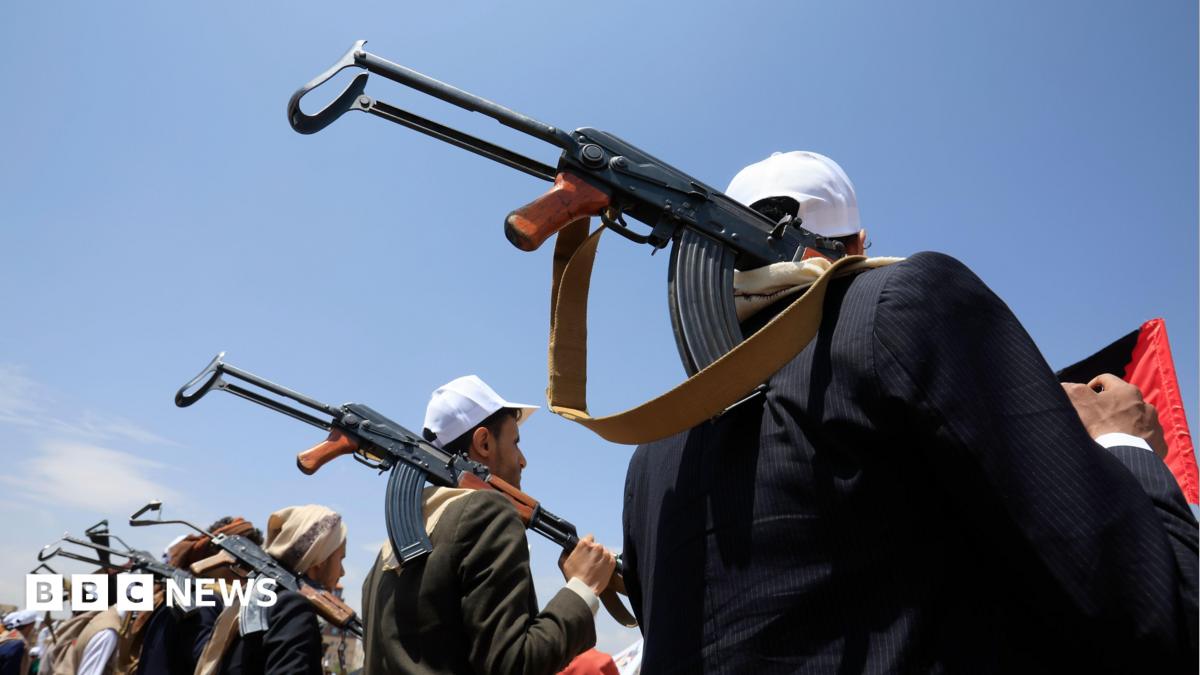
The United States Navy has initiated a strategic naval blockade targeting Iranian vessels, escalating military tensions in the Persian Gulf region. This decisive operation aims to intercept contraband shipments and enforce strict sanctions, marking a significant shift in US maritime policy towards Tehran.
Key Takeaways
- US Navy begins strict enforcement of naval blockade targeting Iranian shipping routes.
- The operation aims to stop weapons smuggling and enforce international sanctions.
- Global oil markets and shipping lanes face potential disruptions due to heightened tensions.
The United States Navy has officially enforced a naval blockade against Iran, a move that has significantly escalated tensions in one of the world's most volatile maritime regions. According to statements from the Pentagon, this operation is designed to intercept vessels suspected of transporting illicit weapons or violating international sanctions. The Fifth Fleet has increased its patrols around the Strait of Hormuz, a critical chokepoint for global oil shipments.
Historical Context and Rising Tensions
Tensions between Washington and Tehran have been simmering for decades, but recent months have seen a sharp increase in naval confrontations. The Strait of Hormuz is vital for the global energy supply, and any military engagement here could have catastrophic economic consequences worldwide. This blockade represents one of the most aggressive postures taken by the US in recent years, signaling a departure from purely diplomatic measures.
Why This Matters
BozokMedia analysis shows that this blockade is not merely a tactical maneuver but a strategic economic squeeze. By controlling key maritime routes, the US aims to cripple Iran's ability to export oil and import goods, thereby forcing Tehran to renegotiate its stance on nuclear capabilities and regional sponsorship. This move also reassures US allies in the region, such as Saudi Arabia and Israel, of America's commitment to their security.
"This blockade is a clear message that the US is willing to project hard power to secure its interests and enforce international law," says Dr. Elena Ross, a senior fellow at the Institute for Global Security.
| Feature | US Navy | Iranian Navy (IRGC) |
|---|---|---|
| Primary Strategy | ||
| Global Power Projection | Asymmetric Warfare | |
| Key Assets | Aircraft Carriers, Destroyers | Fast Attack Craft, Drones |
| Blue Water Capability | High | Low |
Frequently Asked Questions
Q: What is the goal of the US naval blockade?
A: The primary goal is to enforce sanctions, prevent weapons smuggling, and limit Iran's military reach in the region.
Q: How will this affect global oil prices?
A: Increased tension in the Persian Gulf often leads to market volatility, causing a spike in oil prices due to fears of supply disruptions.