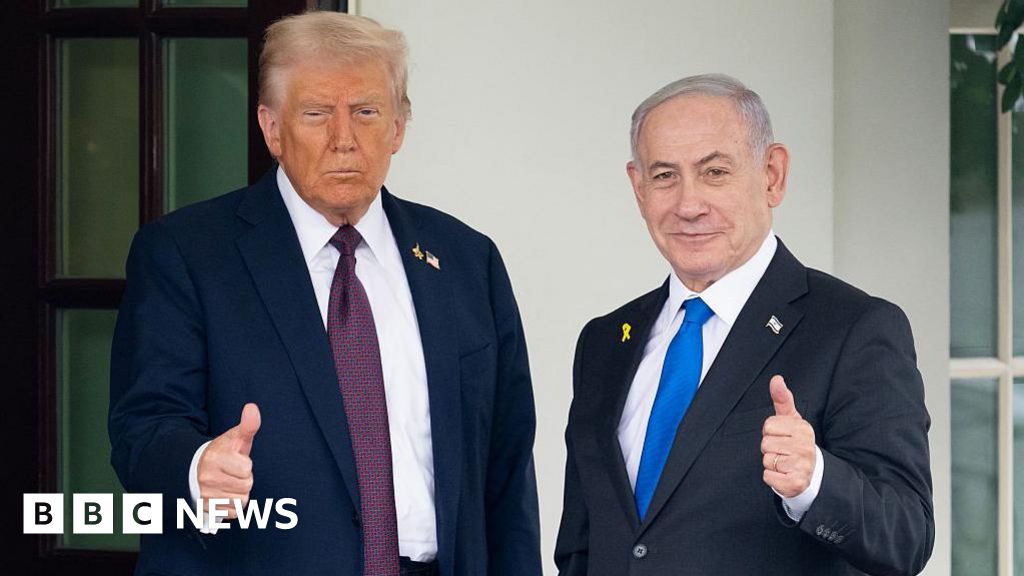
Israeli PM Benjamin Netanyahu arrives in Washington DC for critical talks with Donald Trump regarding the Iran conflict, amid rising friction and declining US public support for Israel.
Key Takeaways
- High-level talks regarding the future of the Iran-Israel conflict.
- Growing diplomatic friction between Netanyahu and Trump.
- Shifting public opinion in the US regarding Israeli military actions.
Israeli Prime Minister Benjamin Netanyahu has arrived in Washington DC to engage in high-stakes discussions with President Donald Trump. The primary focus of these talks is the escalating conflict with Iran and the broader stability of the Middle East.
Signs of Diplomatic Friction
The meeting is occurring under a cloud of tension. President Trump has recently voiced public criticism regarding Israel's ongoing strikes in Lebanon and its perceived disregard for ceasefire efforts. This shift marks a significant moment in the traditionally seamless US-Israel relationship.
The geopolitical landscape is shifting, and the traditional pillars of US-Israel relations are facing unprecedented scrutiny.
Why This Matters
BozokMedia analysis shows that the political climate in the United States is undergoing a transformation. As voters prepare for upcoming midterm elections, support for Israel has become a polarizing issue. The decrease in public backing for Netanyahu's policies could significantly influence future US foreign policy decisions.
Historical Context
While the US has long been Israel's staunchest ally, the internal political dynamics in Washington are evolving. The rise of different political factions and changing voter priorities are forcing a re-evaluation of how much unconditional support the US provides to Middle Eastern military operations.
Frequently Asked Questions
1. What is the main agenda of Netanyahu's visit?
The primary agenda is to discuss the future of the conflict with Iran and regional security concerns.
2. Why is Trump criticizing Israel?
Trump has expressed concerns over military strikes in Lebanon and the lack of adherence to ceasefire agreements.