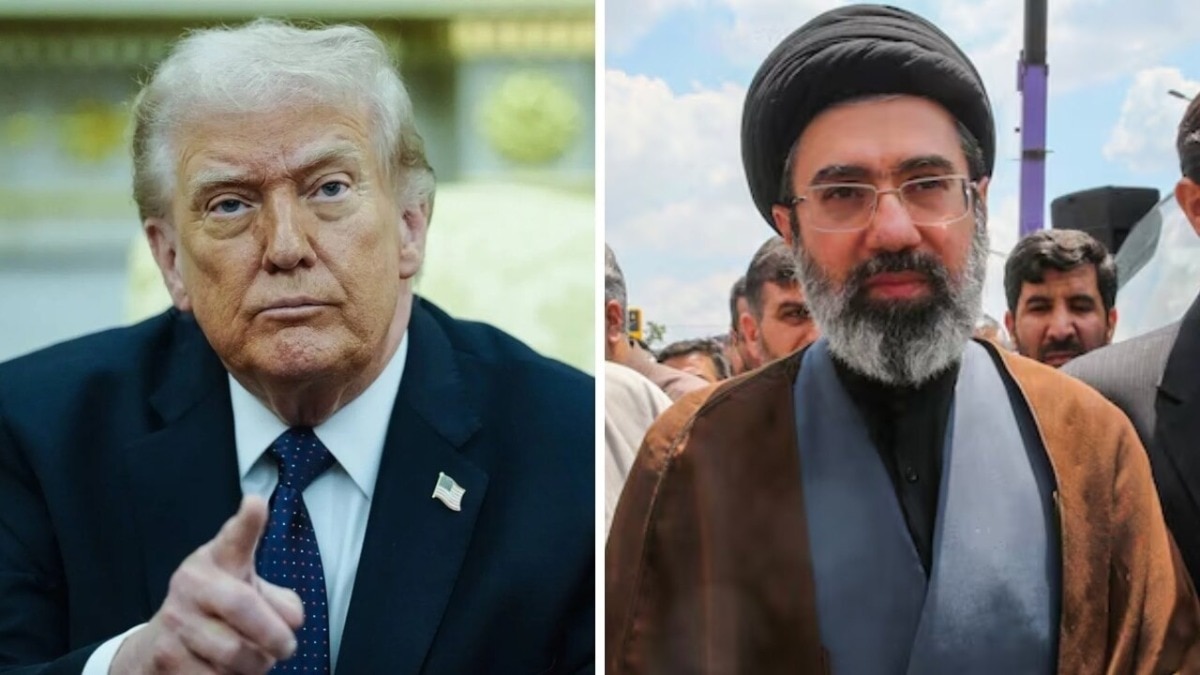
US President Donald Trump has signaled a dual approach toward Tehran, claiming ongoing 'friendly' negotiations while warning that the US will resume military strikes if no deal is reached.
Key Takeaways
- President Trump described ongoing communications with Iran as 'friendly.'
- A stern warning was issued: failure to reach a deal will lead to resumed US military action.
- Regional tensions have spiked following drone attacks in Saudi Arabia, Jordan, and Iraq.
- Iran has dismissed reports of seeking direct talks with the US as 'fabricated.'
US President Donald Trump has adopted a high-stakes balancing act regarding the escalating tensions with Iran. During a campaign rally in Michigan, Trump stated that while 'very friendly talks' are currently underway between the two nations, the window for diplomacy is not infinite. He explicitly warned Tehran that if a substantial agreement is not reached, the United States will revert to the intense military operations it conducted just days ago.
Why This Matters
BozokMedia analysis shows that Trump is utilizing a classic 'maximum pressure' tactic. By combining diplomatic openness with the credible threat of military force, he aims to force Iran into concessions regarding its missile capabilities and regional influence. This delicate dance directly impacts global energy markets and the security of the Middle East.
Trump's rhetoric signals a move toward coercive diplomacy, leveraging military dominance to secure a diplomatic win.
Trump further asserted that recent US military actions have significantly crippled Iran's military infrastructure, including its navy, air force, and anti-aircraft capabilities. He praised the US Navy for its effectiveness in neutralizing Iranian attempts to blockade maritime routes.
Historical Context
The geopolitical rivalry between the US and Iran has been a cornerstone of Middle Eastern instability for decades. From the 1979 hostage crisis to the modern-day tensions surrounding Iran's nuclear program and its support for proxy groups like the Houthis, the cycle of sanctions and military threats remains constant.
Escalating Regional Conflict
The diplomatic rhetoric comes amid heightened volatility on the ground. Saudi Arabia recently reported drone attacks targeting oil installations near Riyadh, which it attributed to Iran-backed groups in Iraq. Meanwhile, the Houthi rebels in Yemen have claimed responsibility for attacks on Saudi energy pipelines, further destabilizing the region near the strategic Strait of Hormuz.
Frequently Asked Questions
Has the US stopped its air campaign against Iran?
Yes, US military operations were paused recently, but President Trump has emphasized that the military remains ready to resume if necessary.
What is Iran's official stance?
The Iranian Foreign Ministry maintains that while they haven't abandoned diplomacy, they have not requested direct talks with the US and labeled such claims as 'fabricated.'