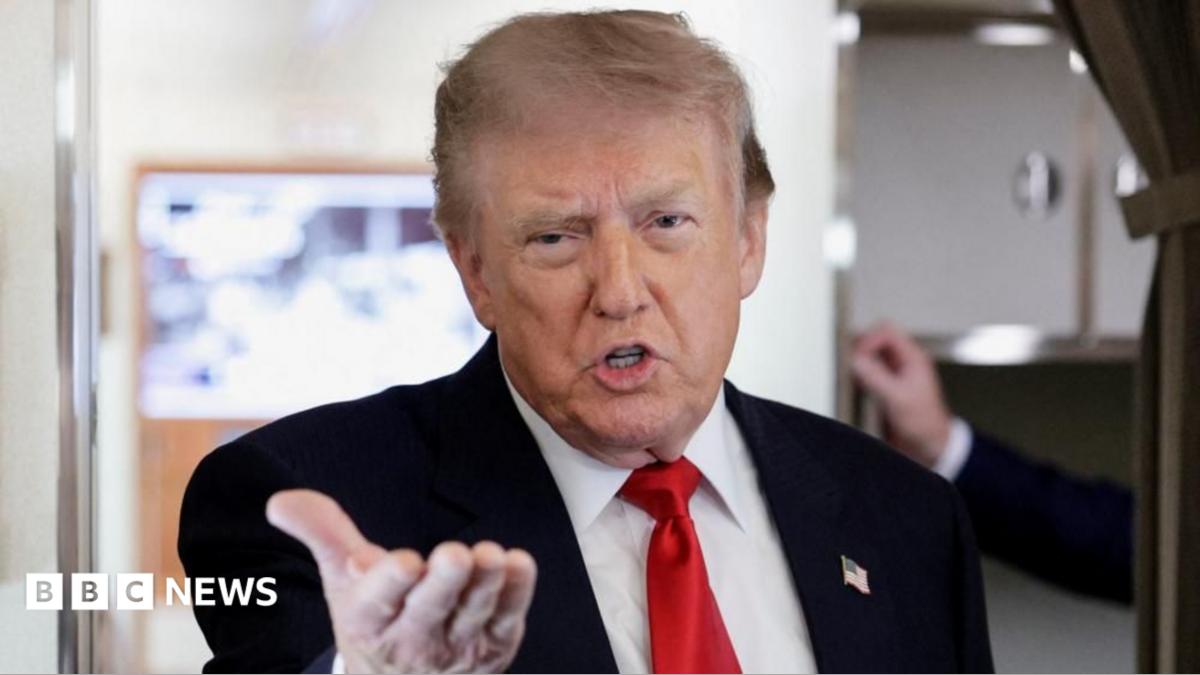
US President Donald Trump has signaled potential progress in negotiations with Iran following a three-day pause in military strikes. While optimism grows, Trump warns of renewed hostilities if talks fail.
Key Takeaways
- A three-day lull in strikes between the US and Iran has opened a window for diplomacy.
- President Trump expressed optimism regarding a potential end to the conflict.
- Global oil prices plummeted by over 9% on hopes of de-escalation.
- The White House dismissed claims of US ammunition shortages.
US President Donald Trump has stated that "very friendly negotiations" are currently underway regarding the conflict with Iran. Speaking aboard Air Force One, Trump noted a significant shift in momentum after both warring parties refrained from exchanging strikes for three consecutive days.
While expressing optimism that "something could happen" to end the war, Trump maintained a firm stance. He warned that Washington would return to its previous military posture should the latest round of negotiations collapse. Interestingly, Tehran has officially denied that any direct negotiations are currently taking place.
Why This Matters
BozokMedia analysis shows that the geopolitical stability of the Middle East is intrinsically linked to global market volatility. The mere prospect of a ceasefire triggered a massive 9% drop in oil prices, hitting $87.59 per barrel. The stability of the Strait of Hormuz remains the primary objective for both US naval operations and global energy security.
The current pause represents a high-stakes diplomatic gamble where the margin for error is razor-thin.
Addressing concerns regarding military readiness, Trump dismissed reports of dwindling US ammunition stockpiles. He asserted that the US possesses more than enough munitions, emphasizing the continuous production of advanced systems like Patriot missiles. White House spokesperson Anna Kelly reinforced this, stating that 'Operation Epic Fury' has demonstrated American military resilience.
Historical Background
The conflict escalated significantly in February 2026, following strikes by the US and Israel against Iranian targets. Despite a memorandum of understanding signed in June to halt operations, fighting resumed in July after attacks on commercial tankers in the Strait of Hormuz. To date, over 600 US service members have been injured in the ongoing hostilities.
Frequently Asked Questions
1. Has Iran confirmed the peace talks?
No, while President Trump claims negotiations are friendly, Tehran has denied any direct talks are occurring.
2. What caused the sudden drop in oil prices?
The drop was driven by market speculation that the lull in military strikes could lead to a lasting ceasefire.