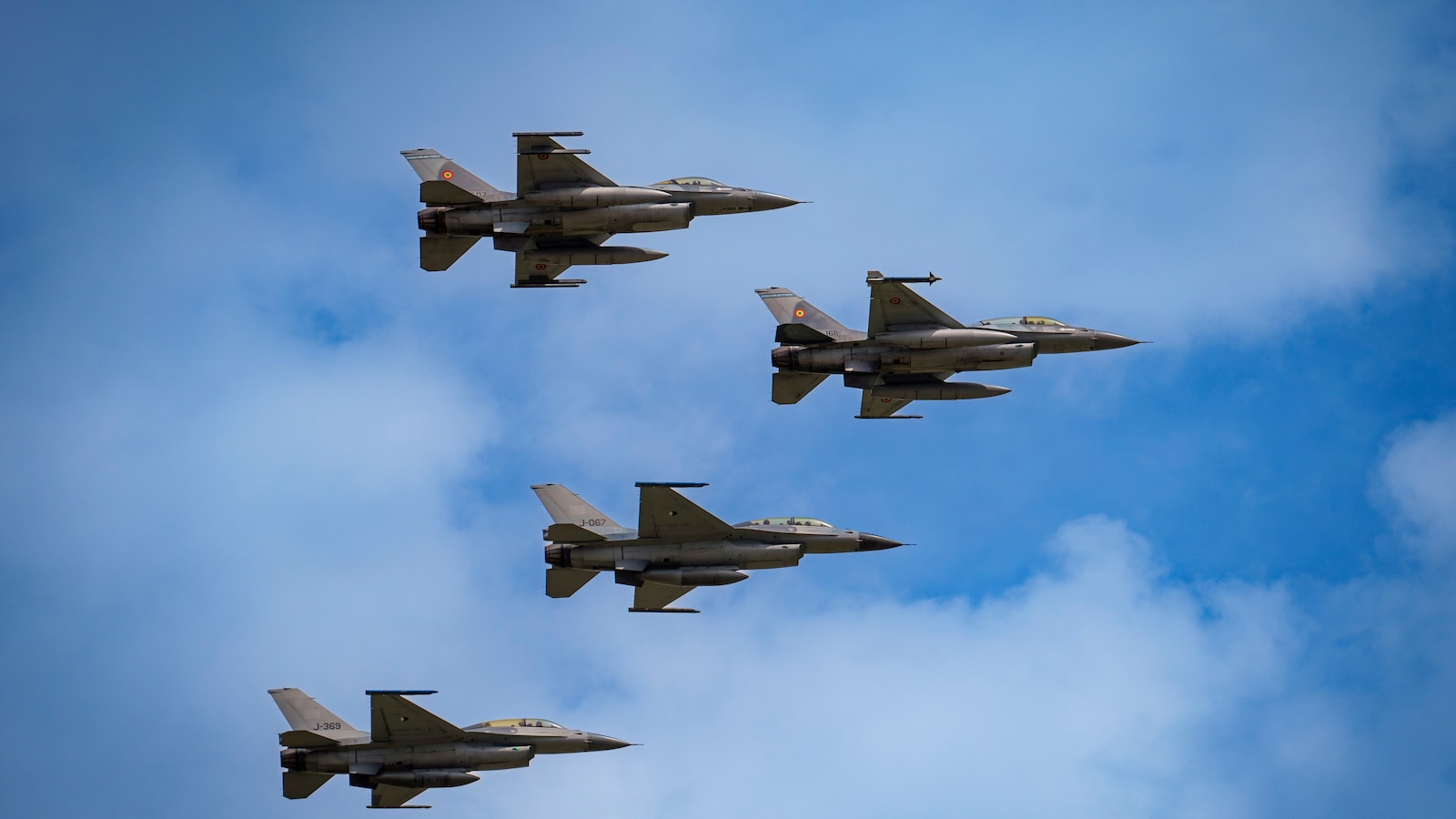
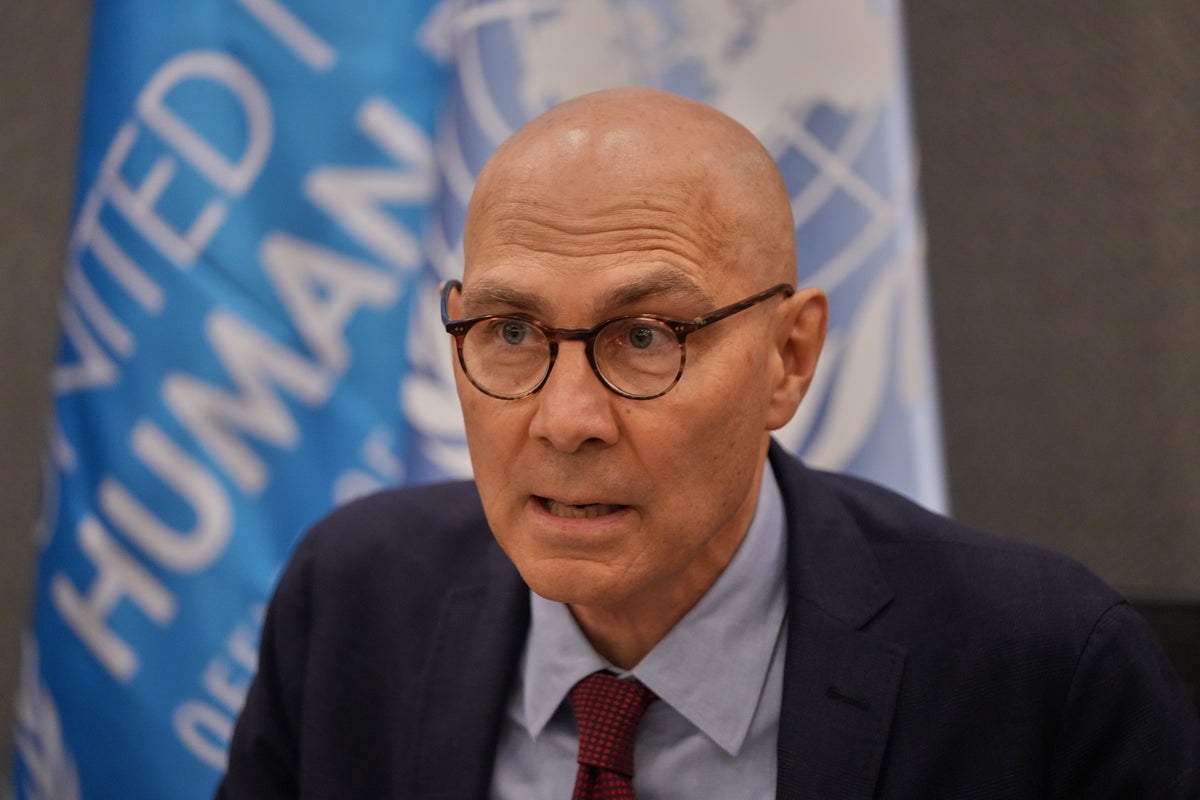
Despite intense US pressure and the threat of military action, Iran's economy has shown unexpected resilience. We explore the $23 billion oil cushion and strategic maneuvers keeping Tehran afloat.
Key Takeaways
- Iran maintains a strategic $23 billion oil cushion.
- Sanctions have failed to trigger a total economic collapse thus far.
- Alternative trade routes, particularly with Asia, act as a survival mechanism.
For years, US officials have argued that economic sanctions are more devastating to Iran than conventional warfare. While the pressure has been immense, the expected total collapse of the Iranian economy has not materialized, raising questions about the effectiveness of modern economic warfare.
The $23 Billion Oil Cushion
A primary factor in Iran's resilience is its massive $23 billion oil cushion. Despite being largely cut off from Western markets, Iran has mastered the art of navigating sanctions through complex trade networks, ensuring that its energy resources continue to generate much-needed liquidity.
Why This Matters
BozokMedia analysis shows that Iran's survival is not merely accidental but a result of calculated economic maneuvers. By pivoting its trade toward the East, particularly China, Iran has effectively neutralized the impact of Western financial isolation, creating a multi-layered defense against external pressure.
The ability to maintain liquidity through non-traditional channels is the cornerstone of Iran's economic endurance.
Looking ahead, experts suggest three potential scenarios for Iran's economy over the next 12 months: a gradual recovery, a period of stagnant stability, or a slow decline depending on the intensity of future US policies under the Trump administration.
Frequently Asked Questions
1. Are sanctions more effective than military strikes against Iran?
US officials believe sanctions cause long-term structural damage, whereas strikes offer immediate but temporary impact.
2. How does Iran bypass international banking restrictions?
Iran uses various informal value transfer systems and non-Western banking partners to facilitate trade.