The Middle East conflict has taken a dramatic turn as the US and Saudi Arabia conducted coordinated airstrikes against Iran-backed militia groups in Iraq following recent drone attacks.
Key Takeaways
- US and Saudi Arabia conducted joint airstrikes in eastern Iraq targeting militia logistics.
- The strikes follow over 30 drone attacks on US and Saudi military/oil sites in 72 hours.
- Iran has officially denied any involvement in the drone strikes.
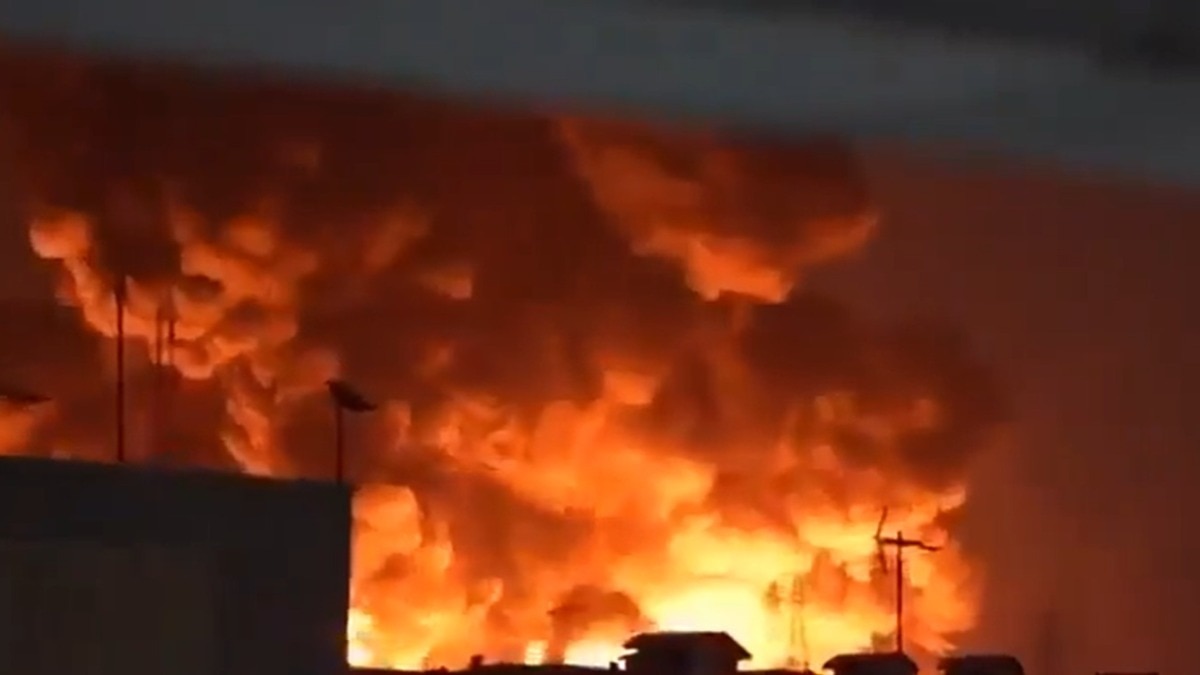
- Tensions are rising following explosions at PMF headquarters in Basra, Iraq.
The conflict in West Asia has entered a volatile new phase. The United States and Saudi Arabia have launched coordinated aerial strikes against Iran-backed armed groups in Iraq. According to the US Central Command (CENTCOM), this decisive action was a direct response to more than 30 drone attacks targeting US military personnel and Saudi Arabian oil infrastructure over the past 72 hours.
Coordinated Military Operations
CENTCOM confirmed that US and Saudi fighter jets executed precision strikes on several logistics and weapons depots located in eastern Iraq. The US intelligence community alleges that these drone attacks were orchestrated by militia groups operating under the direction of Iran's Islamic Revolutionary Guard Corps (IRGC). The US military has issued a stern warning that military operations will escalate if such provocations continue.
Why This Matters: BozokMedia Analysis
BozokMedia analysis shows that Saudi Arabia's direct military involvement marks a significant shift in regional dynamics. Historically, the Kingdom has focused on defensive postures, but joining forces with the US for offensive strikes indicates a new level of commitment to neutralizing Iranian-backed proxies. This shift could fundamentally alter the security architecture of the Persian Gulf.
The direct military participation of Saudi Arabia could escalate this localized skirmish into a full-scale regional war.
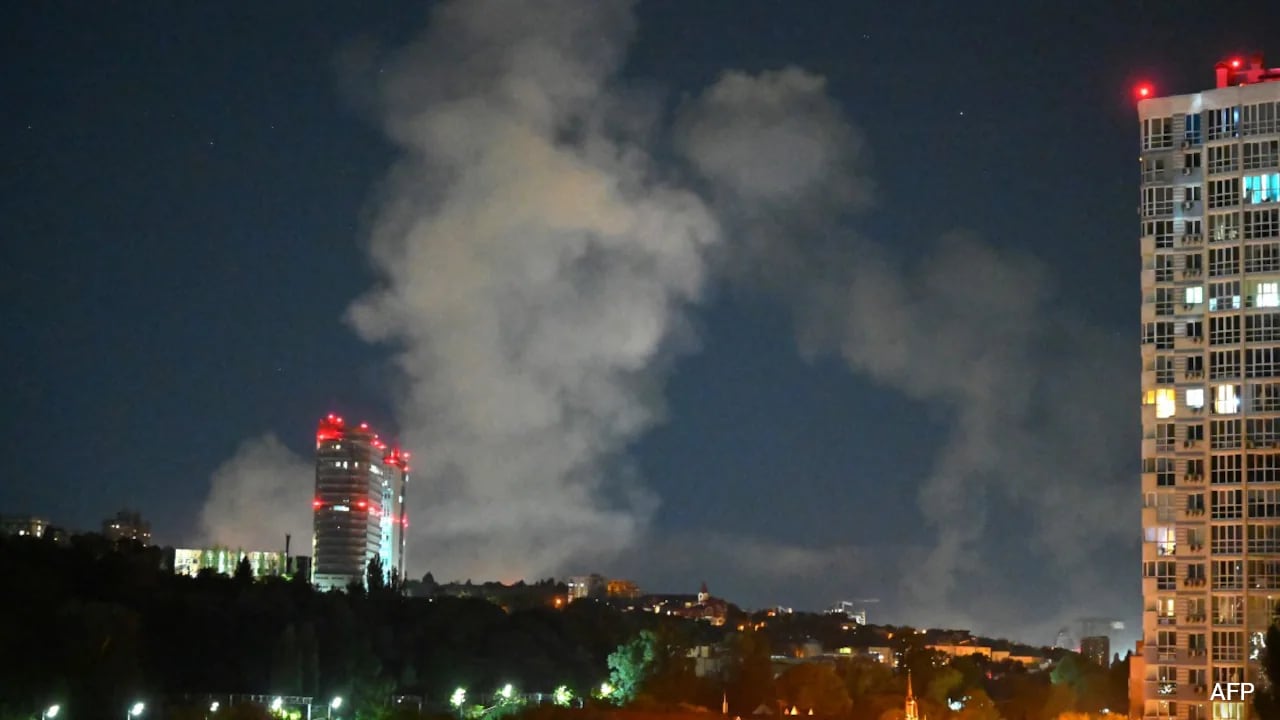
The Saudi Ministry of Defense confirmed that drone projectiles targeted oil infrastructure in its eastern province, though the Saudi air defense systems successfully intercepted the threats. Meanwhile, reports of explosions at the headquarters of the Popular Mobilization Forces (PMF) in Basra, Iraq, have added further layers of instability to an already combustible situation.
Historical Background
The geopolitical rivalry between Iran and the US-led coalition has been a defining feature of Middle Eastern politics for decades. Iran often utilizes proxy groups to exert influence and challenge Western interests, while the US and its Arab allies work to maintain regional stability and protect vital energy corridors.
Frequently Asked Questions
1. Why did the US and Saudi Arabia strike Iraq?
The strikes were a retaliatory measure against drone attacks that targeted US military bases and Saudi oil facilities.
2. What is Iran's stance on this?
Iran has categorically denied any connection to the drone attacks and dismissed the allegations as a miscalculation by the US.