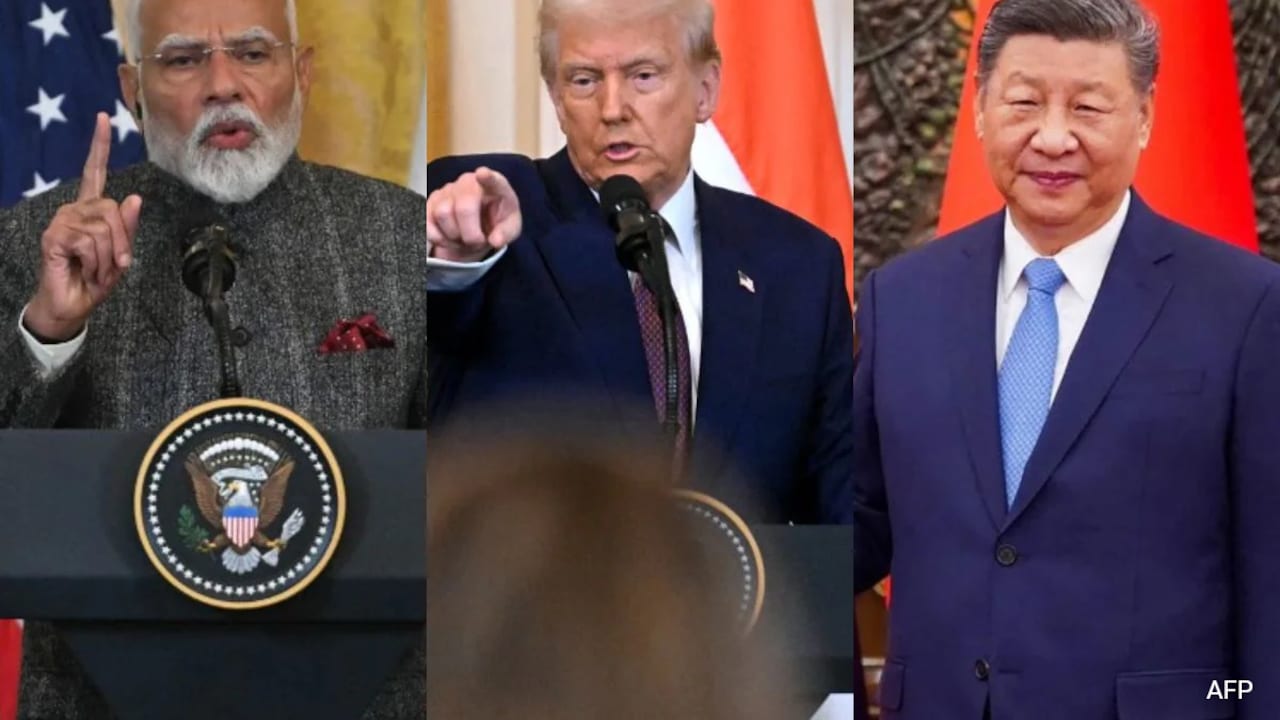
The US Senate has passed a landmark sanctions bill targeting Russian officials and institutions, including a provision to impose massive 100% tariffs on major Russian energy purchasers like India and China.
Key Takeaways
- The US Senate has approved a bill to impose strict sanctions on Russian officials, oligarchs, and financial entities.
- The bill grants authority to impose tariffs of up to 100% on countries purchasing Russian oil and gas.
- India and China are identified as primary targets under these proposed measures.
In a move that could redefine global trade dynamics, the United States Senate has passed a stringent sanctions bill aimed at crippling the Russian economy. The legislation targets not only Russian officials and oligarchs but also the financial institutions that sustain the Kremlin's economic engine.
Targeting Major Energy Buyers
The most controversial aspect of this bill is the provision that would empower the administration to impose tariffs of up to 100 percent on goods originating from countries that remain major purchasers of Russian oil and gas. Specifically, the bill highlights India and China as key nations that could face these massive economic penalties due to their energy ties with Russia.
Why This Matters
BozokMedia analysis shows that this move represents a shift from traditional sanctions toward a more aggressive 'economic coercion' strategy. By targeting the customers of Russian energy, the US is attempting to close the loopholes that have allowed the Russian economy to persist despite existing sanctions. This could trigger a massive shift in global supply chains and energy procurement strategies.
This legislative move signals an era where energy security and national security are being inextricably linked through aggressive trade policy.
Historical Background
Since the onset of the conflict in Ukraine, the US has utilized various sanction mechanisms. However, moving from sanctioning the perpetrator to sanctioning the trade partners of the perpetrator is a significant escalation in international economic warfare.
Frequently Asked Questions
1. How will this affect the Indo-US trade relationship?
If implemented, it could lead to significant trade barriers, potentially impacting India's export sectors and its strategic autonomy in energy procurement.
2. Who has the final authority to implement these tariffs?
While the Senate has passed the bill, the final execution and specific tariff rates would fall under the executive authority of the President.