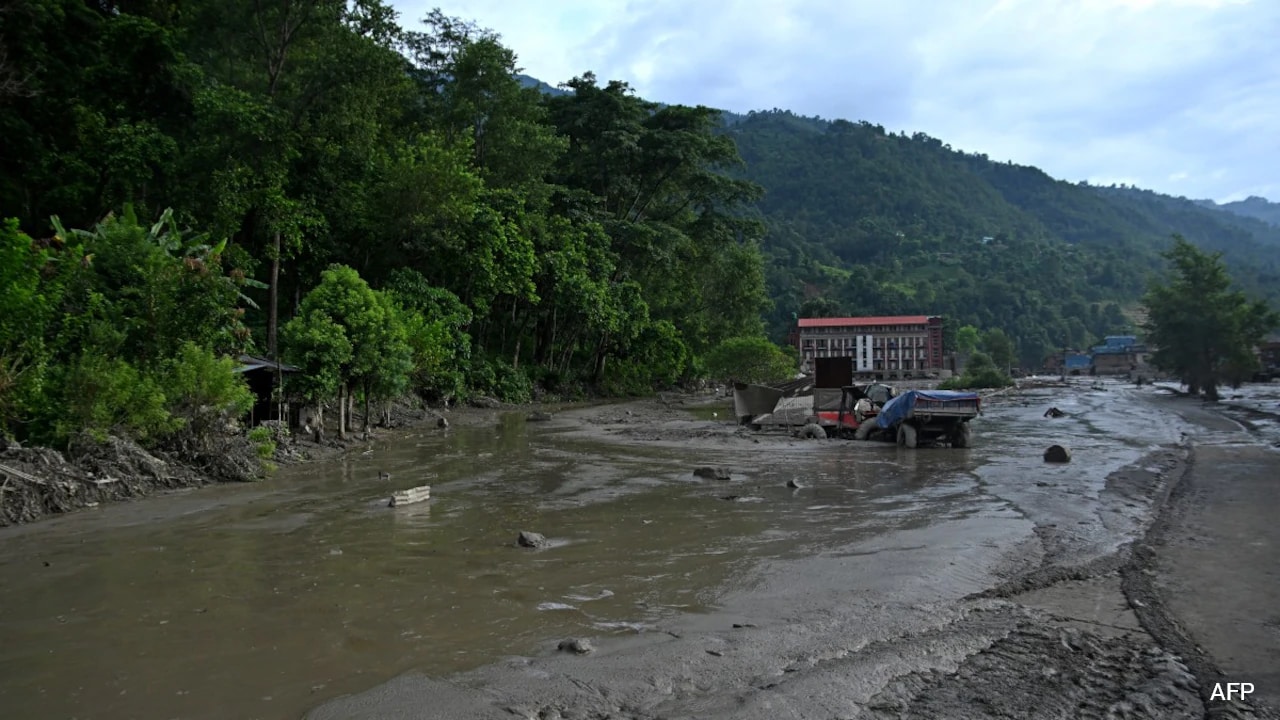
A recent drone attack on Egypt's Damietta port has sent shockwaves through the region, signaling a potential escalation in the Iran-U.S. conflict. Experts suggest American interests are increasingly exposed.
Key Takeaways
- Drone strikes caused fires on two gas vessels at the Damietta port in Egypt.
- Analysts suggest the attack signals that U.S. interests in the Middle East are increasingly 'vulnerable.'
- The incident raises fears of a wider regional escalation involving Iran and its proxies.
The Mediterranean port of Damietta, Egypt, has become the latest flashpoint in a rapidly destabilizing Middle East. Following recent drone strikes that ignited fires on two gas vessels, the geopolitical landscape has shifted significantly. The attack, while occurring on Egyptian soil, is being viewed through the lens of the broader U.S.-Iran tensions.
Escalation of Regional Conflict
Egypt's leadership has issued stern warnings regarding regional escalation following the port strike. According to reports from EurAsian Times and other major outlets, the precision and nature of these drone attacks suggest a strategic intent to demonstrate that Western-aligned interests are no longer shielded from asymmetric warfare.
Why This Matters
BozokMedia analysis shows that the targeting of gas vessels in a critical maritime hub like Damietta is a direct threat to global energy security. This move signals a transition from conventional military engagement to high-impact, low-cost drone warfare that can bypass traditional defense systems.
The strike in Egypt serves as a tactical message that the traditional security umbrella in the Middle East is fraying.
Historically, Egypt has served as a cornerstone of stability in the region. However, the vulnerability of its critical infrastructure to drone technology marks a new era of maritime and energy insecurity that could draw global superpowers into a direct confrontation.
Frequently Asked Questions
1. What caused the fire in the Egyptian port?
Answer: The fire was caused by drone strikes targeting two gas vessels at the Damietta port.
2. How does this affect U.S. foreign policy?
Answer: It highlights the increasing difficulty of protecting strategic interests and energy corridors in the Middle East against drone-based threats.