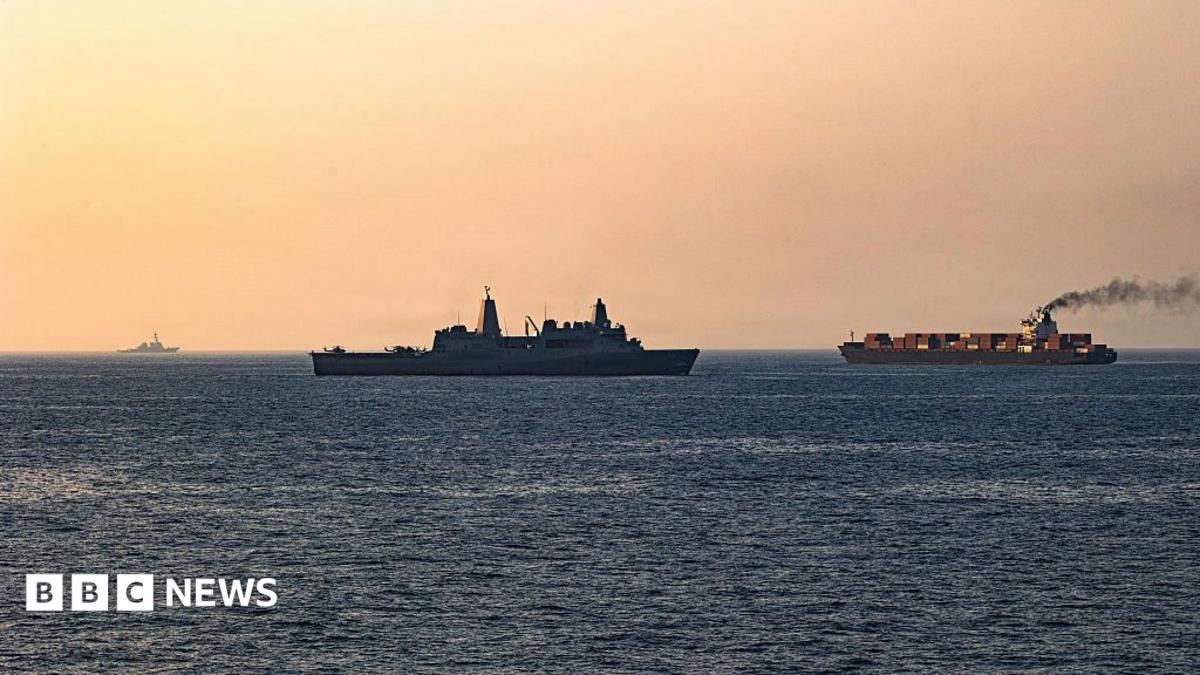
The US military announced a series of airstrikes against Iranian positions in Jordan and the Strait of Hormuz, describing them as a “powerful response” to Tehran’s attempted surprise attack on American forces. The strikes follow the first publicly disclosed joint US‑Saudi operation against Iranian proxies in Iraq.
Key Takeaways
- US conducts airstrikes on Iranian targets in Jordan and the Strait of Hormuz
- Strikes are a direct response to Iran's attempted surprise attack on US forces
- Joint US‑Saudi operation also hit Iranian proxies in Iraq
The United States military has launched a series of powerful airstrikes against Iranian positions in Jordan and the strategic Strait of Hormuz, labeling the action a “powerful response” to Tehran’s surprise attack on American troops.
The attacks come a day after the first publicly announced joint US‑Saudi strikes that targeted Iranian proxies in eastern Iraq, reigniting tensions across the region.
Historical Background
US‑Iran relations have deteriorated sharply since the large‑scale conflict erupted in early 2024, with multiple reciprocal attacks. In February, when the US and Israel struck Iranian facilities, President Trump predicted the war would end within weeks, yet it has now persisted for five months with no clear resolution.
Why This Matters
BozokMedia analysis shows that these strikes could reshape the power balance in the Middle East, forcing regional allies to reassess their security strategies and potentially escalating a broader confrontation.
"Such a swift and decisive response may deter further Iranian aggression, but it also risks widening the conflict," says security analyst Dr. Emily Ross.
Frequently Asked Questions
- Q: Will these strikes violate Iraq's sovereignty?
A: Iraq's presidency condemned the bombings as unacceptable, though US officials claim the operations were coordinated with the Iraqi government. - Q: How soon can diplomatic talks de‑escalate the situation?
A: Experts believe that a rapid return to negotiations is essential, but progress depends on both sides reducing military posturing.

