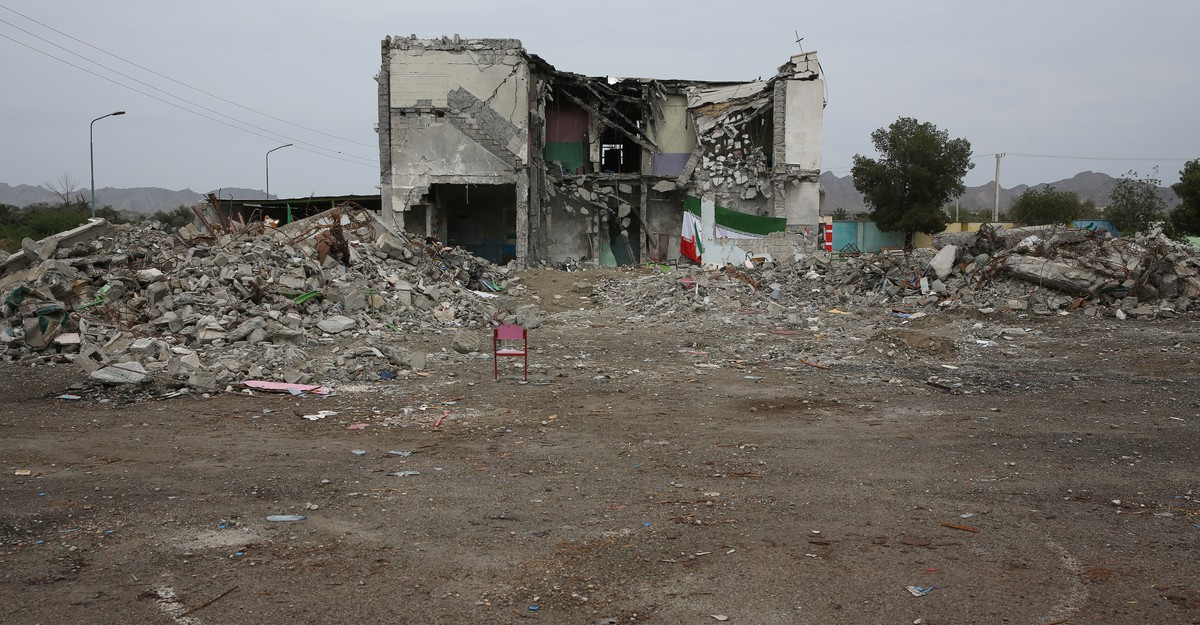
Following a devastating strike in Minab, Iran, that killed 170 civilians, the Pentagon is weighing the restoration of key roles aimed at preventing civilian casualties.
Key Takeaways
- A U.S. strike on a school in Minab, Iran, resulted in the deaths of 168 civilians, mostly children.
- Defense Secretary Pete Hegseth had previously slashed civilian-harm prevention staff by 90%.
- The Pentagon is now considering reinstating nearly half of the cut roles to mitigate human impact.
- An Inspector General report suggests recent cuts may have violated international noncombatant protection laws.
The Pentagon is facing a critical turning point following the devastating air strike in Minab, southern Iran, which claimed the lives of 168 civilians, including a tragic number of children. This incident has cast a shadow over the defense strategy of Secretary Pete Hegseth, whose tenure has been defined by a push for maximum lethality and a significant reduction in the staff dedicated to minimizing civilian collateral damage.
The Purge of Civilian Protection Staff
Upon taking office, Hegseth implemented a sweeping reorganization, targeting what he viewed as "unnecessary shackles" on battlefield operators. This included a dramatic 90% reduction in personnel tasked with investigating and preventing civilian casualties—a system built from the hard-learned lessons of the Iraq and Afghanistan wars. Critics argue that this move prioritized combat speed over legal and moral accountability.
Why This Matters
BozokMedia analysis shows that the strategic cost of reducing civilian-harm protections can outweigh the perceived operational gains. The Minab tragedy, involving a Tomahawk missile, highlights how intelligence failures can lead to massive strategic setbacks. Without specialized personnel to vet targets, the U.S. risks losing the "moral high ground" and fueling adversary propaganda.
'If you don't publicly address what happened, you are ceding the narrative to anybody who wants to condemn you.' - Geoffrey Corn, Director of the Center for Military Law and Policy.
The Pentagon is currently undergoing a "strategic reassessment" of its reorganization. While officials claim they will remain in compliance with congressional mandates, the decision to restore these critical roles now rests solely on Hegseth's signature.
Historical Background
Following decades of counterinsurgency warfare, the U.S. military formally integrated principles of legitimacy, restraint, and perseverance into its Joint Operations in 2006. These principles were designed to ensure that military force was not only effective but also perceived as legally and morally sound by the global community.
Frequently Asked Questions
Q1: What caused the Minab tragedy?
A: An intelligence failure or error led to a U.S. Tomahawk missile striking a school that had been converted from a former military site.
Q2: Is Hegseth changing his stance?
A: While the Pentagon is considering reinstating staff, Hegseth's previous advocacy for aggressive combat suggests a potential resistance to this reversal.