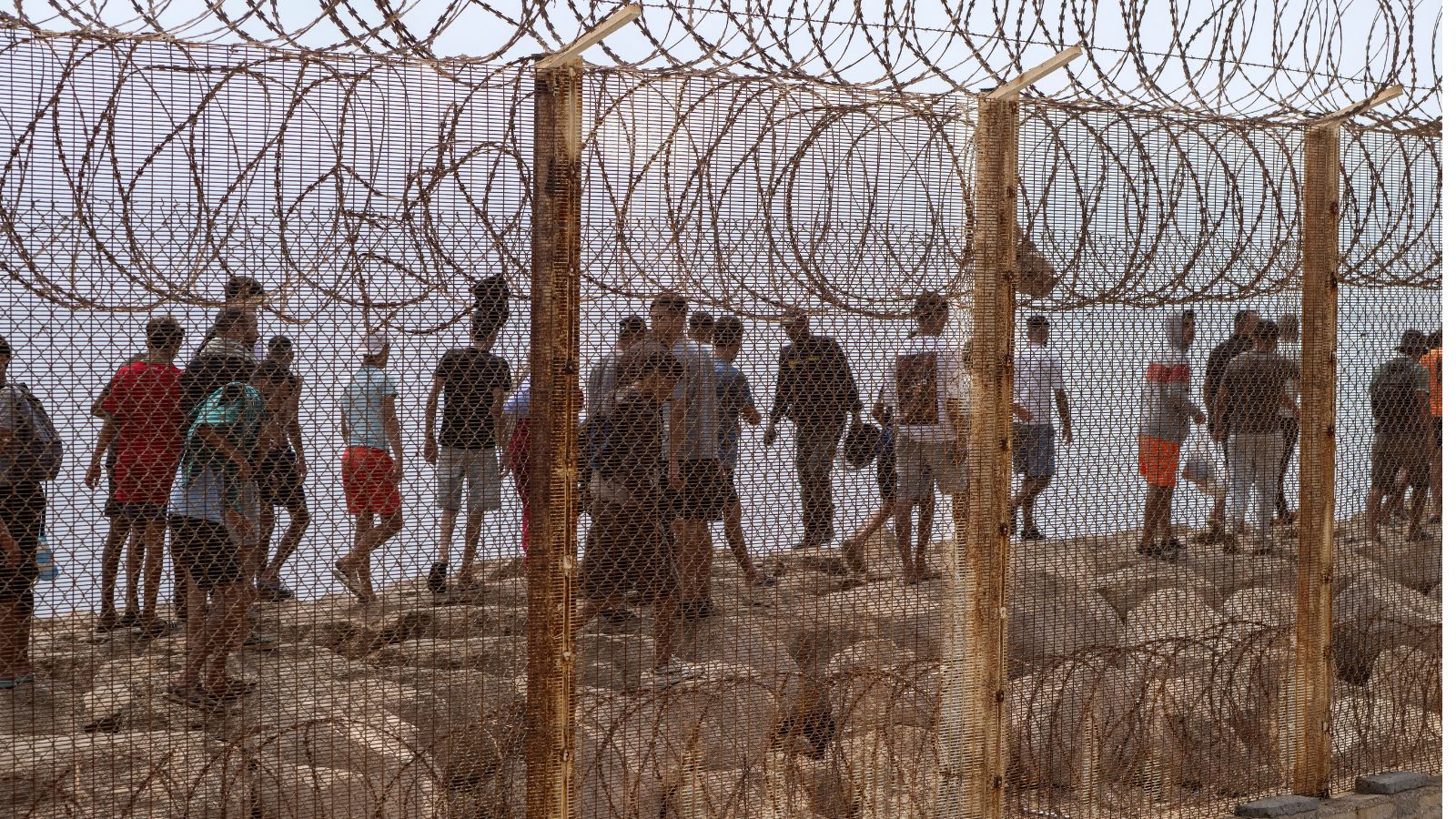
A massive surge of over 50,000 migrants crossing from Morocco into Spain's Ceuta enclave has resulted in at least 57 deaths and a major political crisis in Madrid.
Key Takeaways
- An estimated 50,000 to 60,000 migrants entered the Spanish enclave of Ceuta in a single day.
- At least 57 fatalities reported due to drowning and crush incidents at the border.
- Spanish PM Pedro Sánchez has labeled the event a violation of territorial integrity.
- Human trafficking networks reportedly exploited a recent Spanish Supreme Court ruling to trigger the surge.
The Spanish enclave of Ceuta is facing an unprecedented humanitarian and political crisis after an estimated 50,000 to 60,000 migrants attempted to cross the border from Morocco in a single day. The massive influx has overwhelmed the small territory, which has a permanent population of only 85,000. Tragically, the chaos resulted in the deaths of at least 57 people, many of whom drowned or were caught in a deadly crush at Tarajal beach.
The Catalyst: Legal Loopholes and Traffickers
Spanish Prime Minister Pedro Sánchez has pointed toward organized human trafficking networks as the primary driver behind this sudden surge. According to the administration, traffickers exploited a recent ruling by the Spanish Supreme Court. The ruling changed the protocols for intercepting migrants at sea, making it more difficult to summarily deport them, a legal opening that criminal networks used to encourage mass crossings.
Why This Matters: BozokMedia Analysis
BozokMedia analysis shows that this crisis is a symptom of larger systemic vulnerabilities within the European Union's southern borders. As Ceuta and Melilla are the only land borders between the EU and Africa, any shift in legal precedents or diplomatic relations with Rabat can trigger immediate, large-scale instability. This event tests the cohesion of the Schengen area and the EU's ability to manage migration surges collectively.
The intersection of legal complexity and criminal exploitation has created a perfect storm for humanitarian catastrophe at the border.
In response, the Spanish government is deploying extra police and soldiers, setting up temporary registration centers, and accelerating the deportation of those without legal status. Meanwhile, the European Union remains divided, with some member states calling for sanctions against Spain.
Historical Context
This is not the first time Ceuta has seen such a surge. In May 2021, approximately 10,000 people crossed the border during a period of diplomatic tension between Spain and Morocco regarding Western Sahara. However, the current scale of migration is significantly larger and more lethal than previous incidents.
Frequently Asked Questions
1. What caused the sudden influx of migrants?
Human traffickers exploited a new Spanish Supreme Court ruling regarding the deportation of migrants intercepted at sea.
2. How is Spain responding to the crisis?
Spain is deploying military and police reinforcements, establishing reception centers, and speeding up deportation processes.
