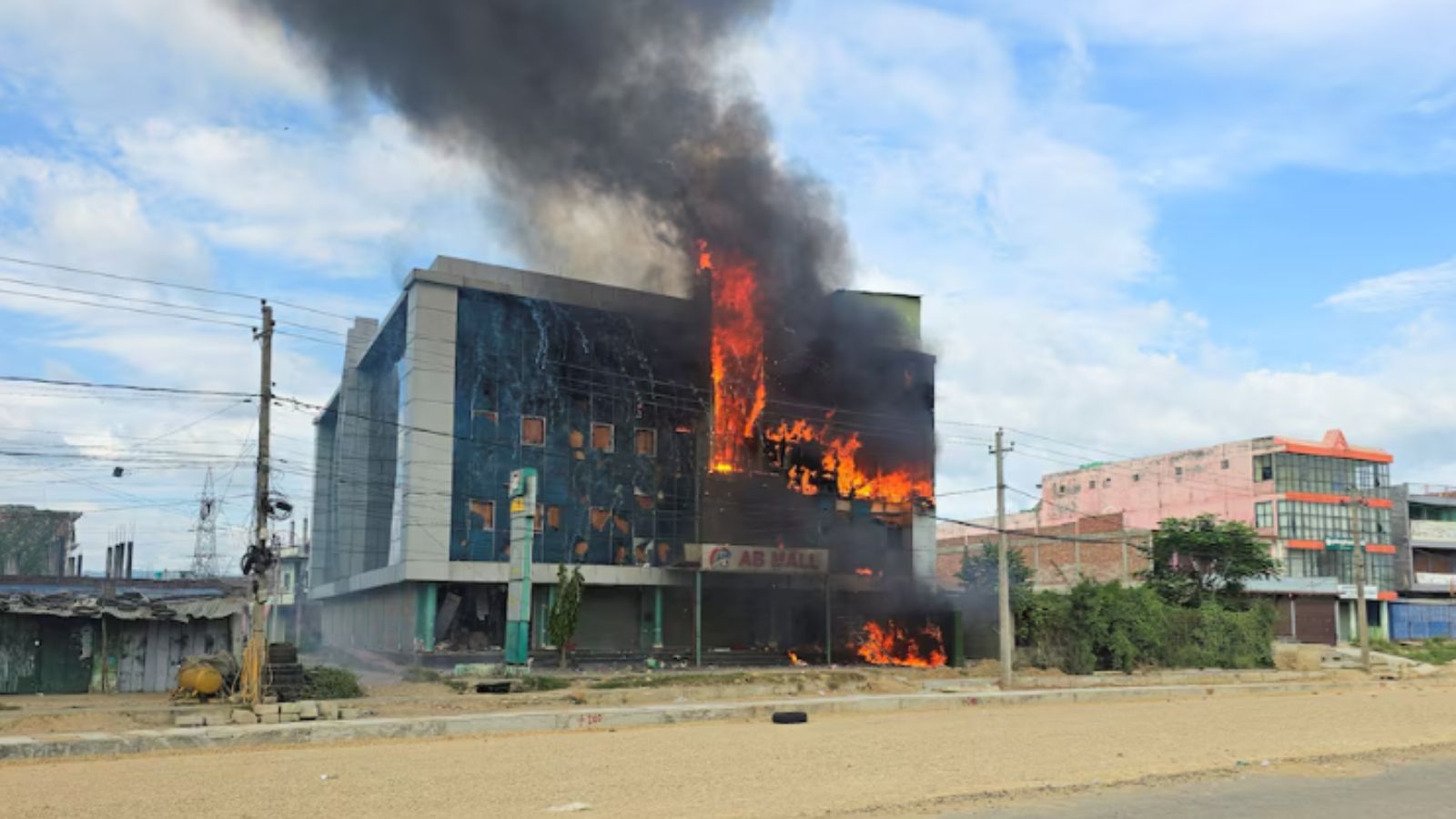
Three people were killed and over 25 injured in renewed sectarian clashes across three districts in southeastern Nepal, despite curfews. The violence, rooted in ethnic‑political tensions, now also involves the Muslim minority.
Key Takeaways
- 3 dead
- More than 25 injured
- Indefinite curfew imposed in multiple border towns
According to police reports, the unrest erupted on the night of July 26 in the Kaptanganj market area of Dewanganj Rural Municipality, Sunsari district, a few kilometres from the Bihar border. A dispute over loudspeakers and a religious procession sparked a clash between Hindu and Muslim communities, quickly escalating to stone‑throwing and gunfire.
Police first fired warning shots, then opened fire to disperse the crowd. Two men were killed in Sunsari, and a third died on July 30 during fresh clashes in Siraha’s Golbazar despite the curfew. At least 25 people were injured in the initial violence, Reuters reported.
Authorities imposed an indefinite curfew in several towns to prevent further violence. No fresh clashes were reported on Friday.
Historical Background
The region has a long history of ethnic and political strife. The 2007 Gaur massacre, which left 26 Maoist‑linked cadres dead, and the 2007 riots in Kapilvastu between Madhesi and hill‑origin Pahadi communities, are stark reminders of underlying tensions. The recent flare‑up now also involves the Muslim minority, which makes up about 5 % of Nepal’s population but a higher share in Terai districts such as Sunsari, Dhanusha, Parsa, and Sarlahi.
Why This Matters
BozokMedia analysis shows that recurring communal flare‑ups jeopardize cross‑border trade and threaten regional stability, especially as Nepal transitions from a Hindu kingdom to a secular republic under the 2015 Constitution.
"Border‑area communal violence often masks deeper political grievances that need comprehensive dialogue," says Dr. Anjali Mehta, South Asian security expert.
Frequently Asked Questions
Q1: Is there a political agenda behind the violence?
A: Analysts believe local parties exploit community‑based vote banks, fueling the conflict.
Q2: What actions has the government taken?
A: Prime Minister Balendra Shah appealed for calm, while Home Minister Sudan Gurung announced compensation of about NPR 8 lakh for the families of the deceased.