During Foreign Secretary Vikram Misri’s visit to Thimphu, 12 new development projects worth ₹332 crore were approved and a ₹4,000 crore Line‑of‑Credit was signed, deepening bilateral cooperation across multiple sectors.
Key Takeaways
- India continues its ₹10,000 crore support for Bhutan’s 13th Five‑Year Plan.
- 12 new projects worth ₹332 crore approved, covering infrastructure, health, agriculture and disaster management.
- A ₹4,000 crore Line‑of‑Credit for energy projects was signed with Export‑Import Bank of India.
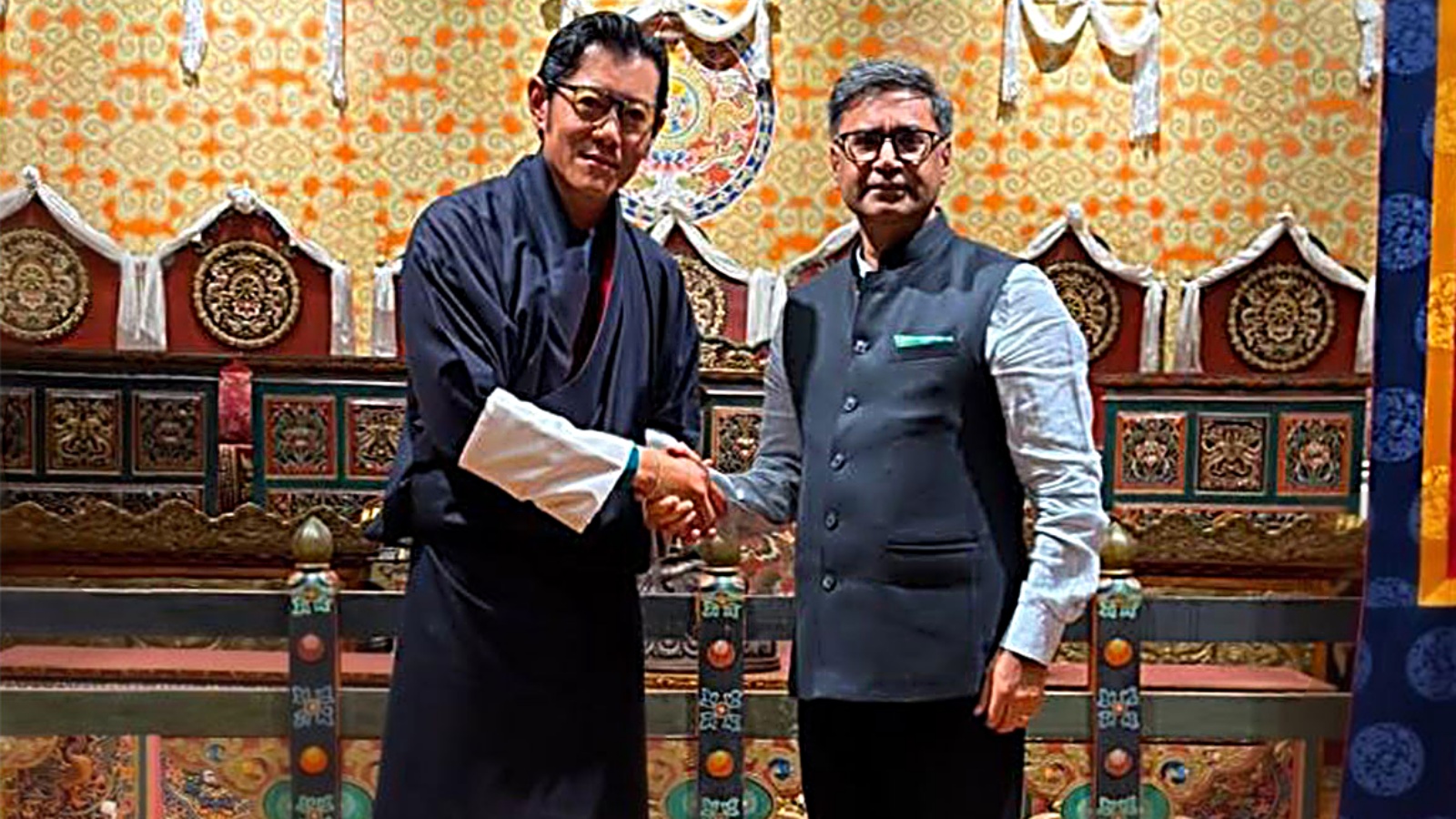
Foreign Secretary Vikram Misri met King Jigme Khesar Namgyel Wangchuck, Prime Minister Dasho Tshering Tobgay and Foreign Minister Lyonpo D.N. Dhungyel during a two‑day visit to Thimphu. The talks covered development partnership, energy, trade‑investment, connectivity and people‑to‑people ties.
During the visit, 12 new projects with a combined value of ₹332 crore were approved. The projects span critical sectors such as infrastructure, healthcare, agriculture, urban amenities and disaster management, reinforcing the depth of India’s development assistance.
Historical Background
India‑Bhutan relations have been robust since the 1970s, anchored by the 1988 Economic Cooperation Agreement. Over the past three decades, India has financed more than ₹30,000 crore in projects ranging from hydro‑electric dams to road networks. The current agreement builds on an existing ₹10,000 crore commitment for Bhutan’s 13th Five‑Year Plan (2024‑2029).
Why This Matters
BozokMedia analysis shows that the expanded portfolio of projects and the massive LoC agreement signal a strategic deepening of India’s influence in the Himalayan region, counterbalancing other regional powers while fostering sustainable development in Bhutan.
"India’s financial backing of Bhutan’s green mobility agenda underscores a shared commitment to climate‑friendly growth," notes energy analyst Dr. Rina Singh.
Frequently Asked Questions
Q1: How will the new LoC affect Bhutan’s energy security?
A: The infusion of funds for renewable energy projects will accelerate Bhutan’s transition to sustainable power sources, reducing dependence on imported energy.
Q2: Could this model be replicated with other South Asian neighbors?
A: Likely, as India is exploring similar development credit arrangements with Nepal and Sri Lanka to strengthen regional connectivity.