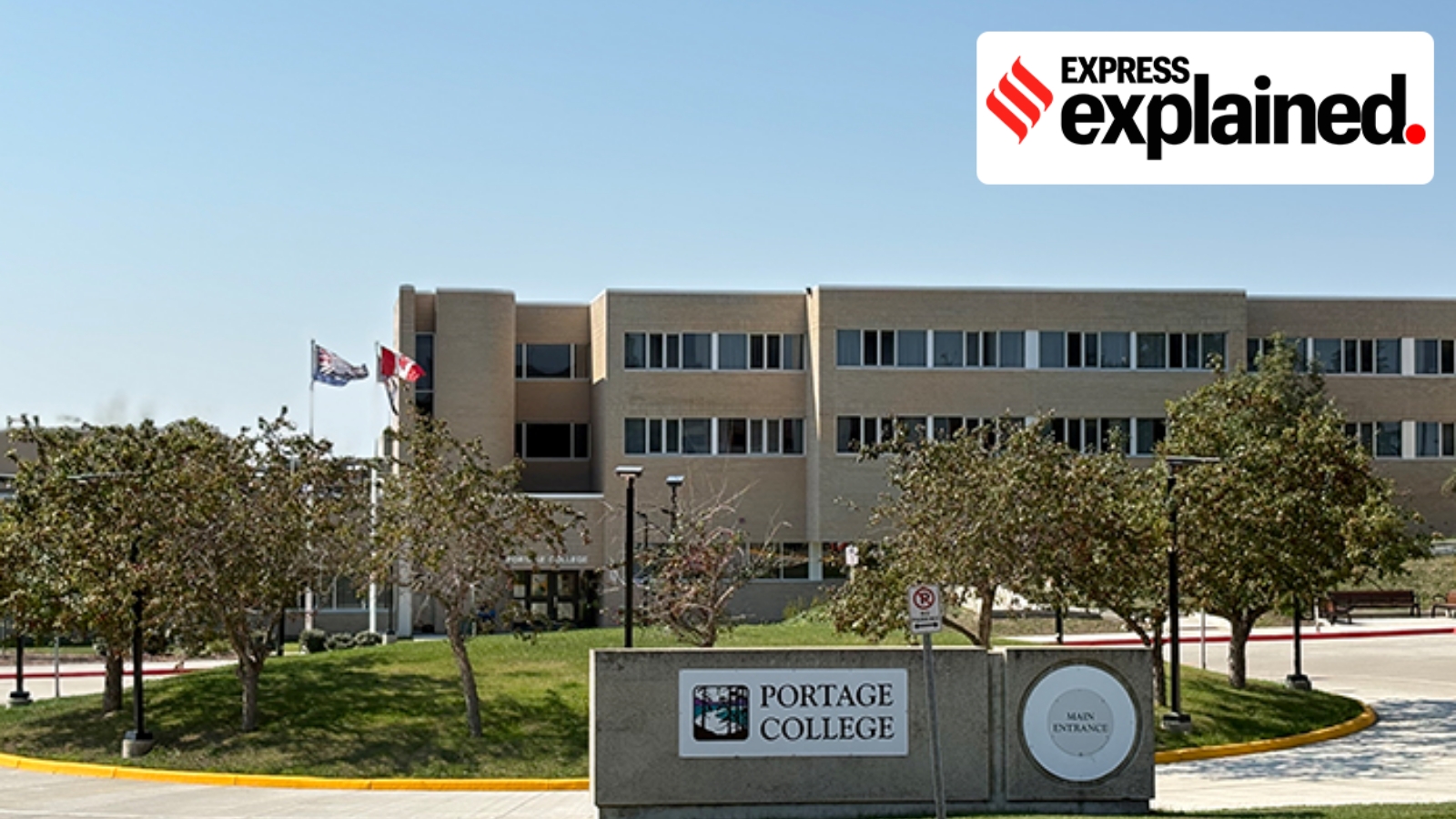
Hundreds of Indian students in Calgary are protesting and undergoing hunger strikes after their Post-Graduation Work Permit (PGWP) applications were rejected. The dispute centers on course eligibility and massive tuition investments.
Key Takeaways
- Students completing Portage College-affiliated programs face PGWP rejections.
- Estimated 480 students are directly affected, primarily from Punjab, India.
- Students claim they invested ~CAD 32,000 (approx. ₹20 Lakh) based on eligibility promises.
- Alberta Premier Danielle Smith has raised concerns over misleading information provided to students.
The tension surrounding Post-Graduation Work Permits (PGWP) in Canada has escalated into a significant social movement. In Calgary’s Saddletowne area, Indian students—many hailing from Punjab—have launched protests and hunger strikes to demand clarity and reconsideration of their rejected work permit applications.
The crux of the matter lies in the programs offered through partner institutions of Portage College. Students argue that they were led to believe their two-year programs would qualify them for post-study work authorization. However, immigration authorities have reportedly treated these as non-credit courses, rendering them ineligible for the PGWP. This has left students, who spent nearly $32,000 CAD on tuition, in a state of financial and professional limbo.
Why This Matters
BozokMedia analysis shows that this crisis highlights a growing disconnect between educational marketing and Canada's tightening immigration landscape. As Canada implements stricter rules to manage international student numbers, the gap between student expectations and regulatory reality is creating a humanitarian and diplomatic friction point.
"The inconsistency in application outcomes suggests a systemic gap in how program eligibility is communicated to international applicants."
While Portage College maintains that immigration decisions rest solely with Immigration, Refugees and Citizenship Canada (IRCC), the political fallout is mounting. Alberta Premier Danielle Smith has noted that some students may have been given exaggerated promises regarding Permanent Residency (PR), emphasizing that expired visas will not allow indefinite stay.
Historical Background
In recent years, Canada has shifted its immigration strategy to prioritize high-demand skills and reduce the strain on housing and infrastructure. This has resulted in a tightening of eligibility for various diploma and certificate programs that were previously considered pathways to work permits, leaving many existing students vulnerable to sudden policy shifts.
Frequently Asked Questions
1. Why were the work permits rejected?
Authorities are classifying certain programs as non-credit courses, which do not meet the current PGWP eligibility criteria.
2. What is the scale of the protest?
While exact numbers vary, reports suggest approximately 480 students are directly impacted by these specific program rejections.
