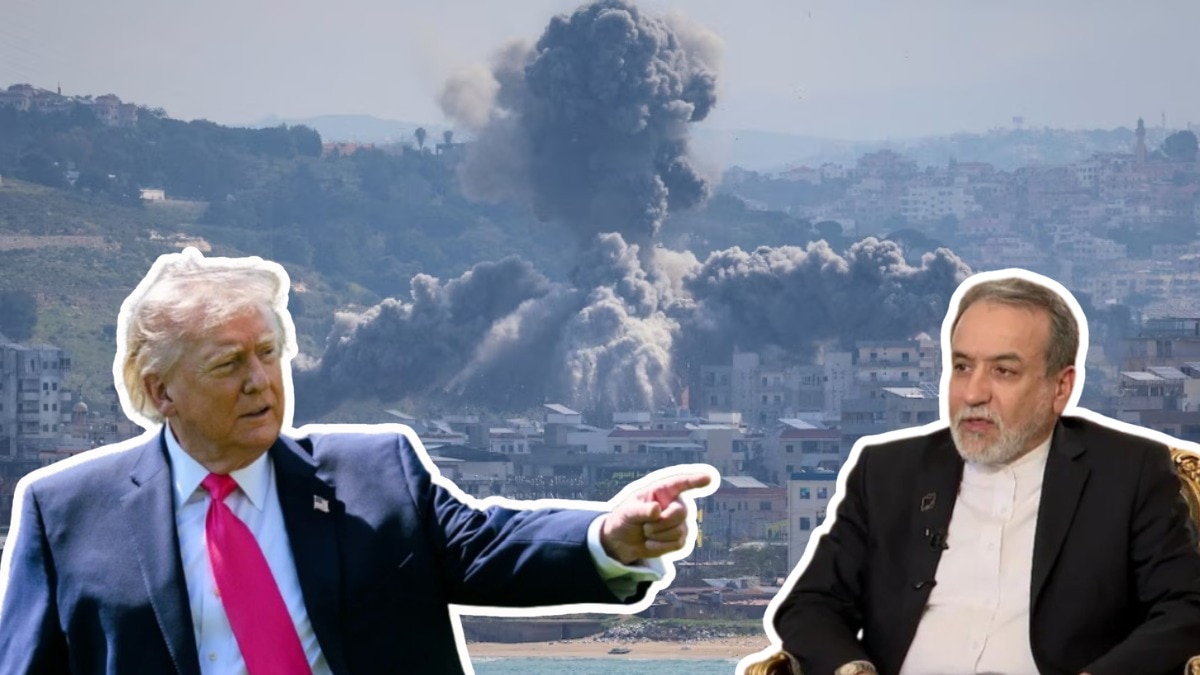
Iran warned Pakistan and Turkey that it would respond decisively to any fresh US strike, heightening tensions across the Middle East. The warning follows President Trump's threat of additional attacks on Tehran.
Key Takeaways
- Iran vows swift retaliation if the US launches new attacks.
- President Trump has threatened fresh strikes, raising regional insecurity.
- Pakistan and Turkey were cautioned about the growing risk of US aggression.
Background of the International Dialogue
Iranian Foreign Minister Abbas Araqchi conveyed the warning during separate calls with Pakistan’s Army Chief and Turkey’s Foreign Minister. He also spoke with Saudi Foreign Minister Prince Faisal, stating a "proportionate response" would follow any US or Israeli attack.
Historical Background
U.S.-Iran tensions have persisted for decades, intensifying after the 1979 Islamic Revolution. Notably, a 2020 U.S. drone strike on Iranian nuclear sites sparked a series of retaliatory moves, underscoring the fragile nature of the relationship.
Why This Matters
BozokMedia analysis shows that any escalation between Tehran and Washington could disrupt global oil markets, increase shipping insurance premiums, and force nations to reroute cargo away from the Strait of Hormuz, amplifying economic volatility worldwide.
"A full‑scale military response would be inevitable for Iran to protect its strategic interests," says Middle East analyst Ali Hasan.
Frequently Asked Questions
Question 1: Will Iran actually strike US infrastructure?
Answer: The foreign minister emphasized that any "aggression" would trigger a proportional response, but actual actions depend on multiple strategic calculations.
Question 2: How could this tension affect global energy prices?
Answer: Experts warn that disruptions in the Hormuz corridor could push oil prices higher, putting additional strain on the global economy.