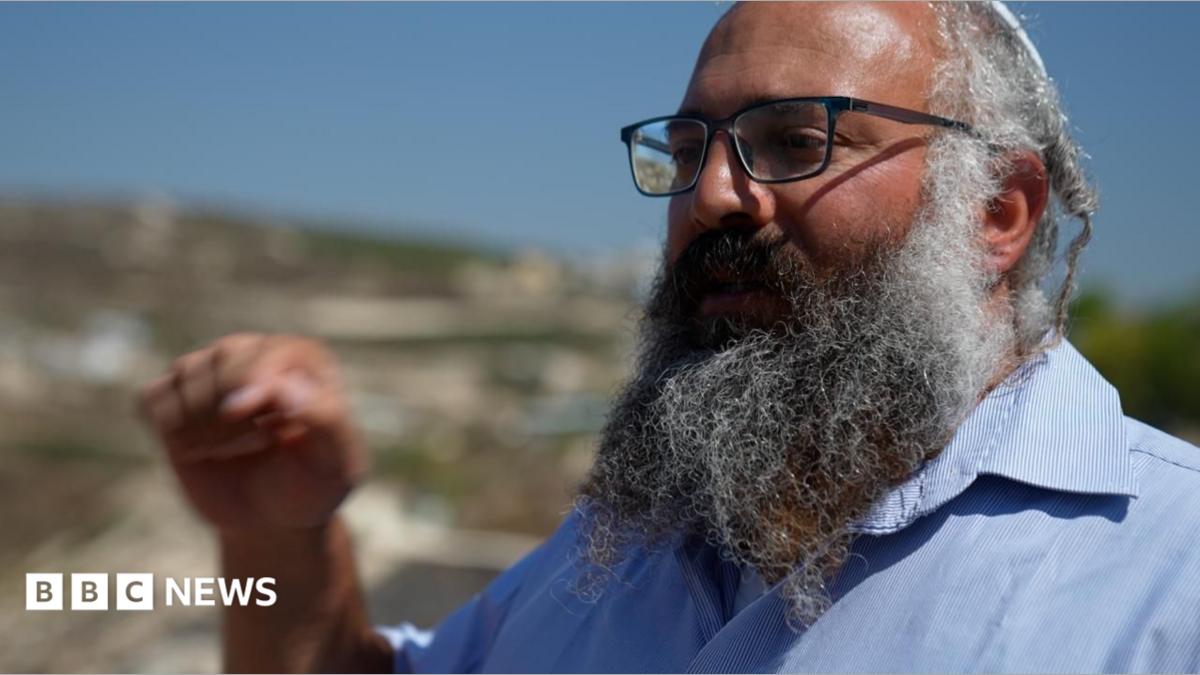
Settler violence is rising in the West Bank as new settlements and outposts expand. A settler justified recent attacks as revenge for a guard’s death.
Key Takeaways
- Settler Yehuda Shimon called attacks on Palestinian villages "justified" revenge
- Violence surged after an Israeli guard was killed in Tal
- All settlements and outposts are illegal under international law
Havat Gilad, an unauthorized settler outpost deep in the occupied West Bank, spreads across several hilltops and is visible from nearby Palestinian villages. After an Israeli security guard from the outpost was killed, settlers launched a wave of attacks on surrounding villages, which Shimon described as justified retaliation.
Historical Background
The West Bank has been under Israeli occupation since the 1967 war. Since then, Israel has established hundreds of settlements and numerous outposts, many of which lack legal authorization and are deemed illegal under international law. Havat Gilad was founded over 20 years ago in memory of a slain Israeli officer.
Why This Matters
BozokMedia analysis shows that extremist rhetoric like that of Yehuda Shimon fuels cycles of violence, undermines peace efforts, and complicates diplomatic negotiations for a two‑state solution.
"When one life is equated to ten million, no justification for violence remains," says international law scholar Dr. Amir Al‑Hussein.
Frequently Asked Questions
Question 1: Does Havat Gilad have any legal standing under international law?
Answer: No, it is considered an illegal outpost without recognized legal authority.
Question 2: How do statements like Shimon’s affect the international community?
Answer: They embolden violence, hinder diplomatic dialogue, and erode prospects for a negotiated peace.