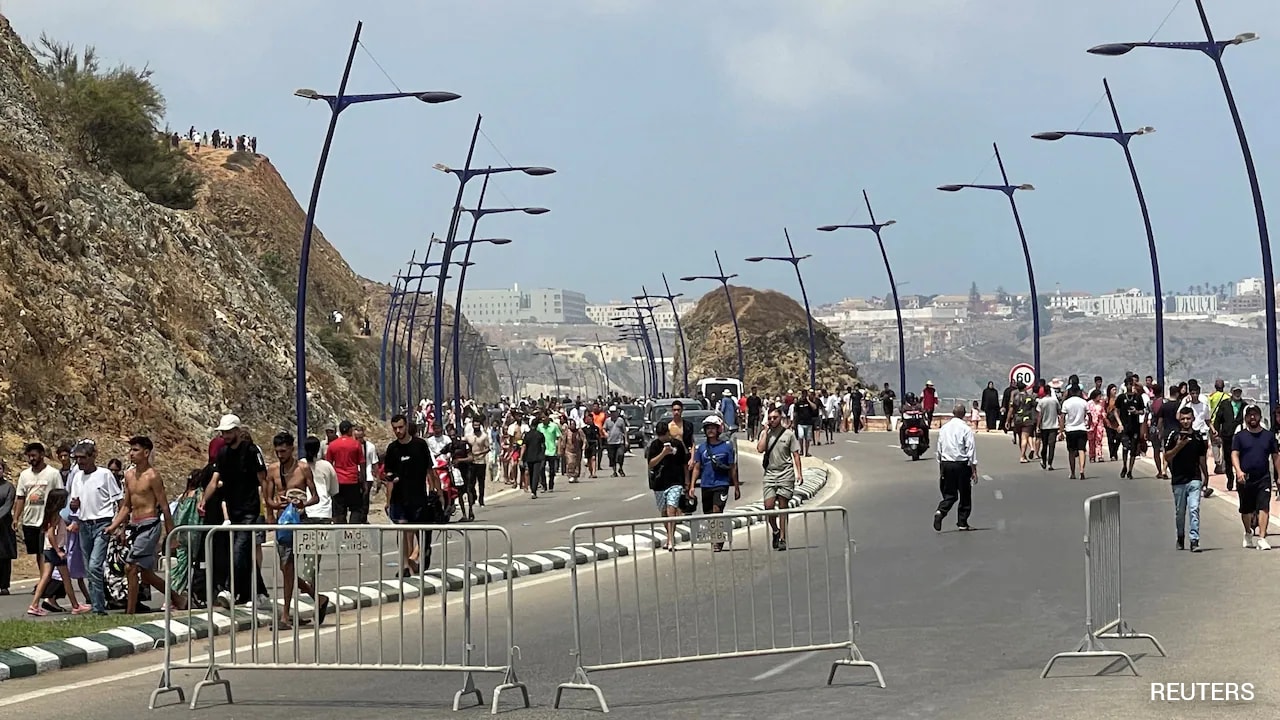
A record-breaking surge of 60,000 migrants attempting to enter Spain's Ceuta has resulted in a tragic death toll of 72 people. Most migrants are now reported to be returning to Morocco.
Key Takeaways
- The death toll in the Ceuta migrant surge has risen to 72.
- An estimated 60,000 people attempted the mass crossing, a historic record.
- The majority of the migrants have since returned to Morocco.
The Spanish enclave of Ceuta, located on the North African coast, is reeling from a catastrophic humanitarian event. Following the largest mass migrant crossing in the territory's history, authorities have confirmed that the death toll has climbed to 72 individuals, up from the previous estimate of 67.
A Record-Breaking Human Surge
The scale of the movement was unprecedented, with an estimated 60,000 people rushing toward the Spanish territory. This massive influx has overwhelmed local border controls and emergency services, creating a high-stakes environment of chaos and desperation at the frontier.
Why This Matters
BozokMedia analysis shows that this event underscores the extreme volatility of migration routes between Africa and Europe. The sheer volume of the surge highlights the inadequacy of current border management strategies and the growing desperation of populations seeking entry into the European Union.
The unprecedented scale of this crossing represents one of the most significant challenges to European border security in recent years.
In the aftermath of the surge, reports indicate that most of the estimated 60,000 people have begun returning to Morocco. Despite the retreat, the loss of life remains a focal point for international human rights observers.
Frequently Asked Questions
Question 1: How many people died in the Ceuta crossing?
Answer: The latest reports confirm that 72 people have lost their lives during this surge.
Question 2: Where are the migrants going now?
Answer: Most of the migrants involved in the surge have reportedly returned to Morocco.