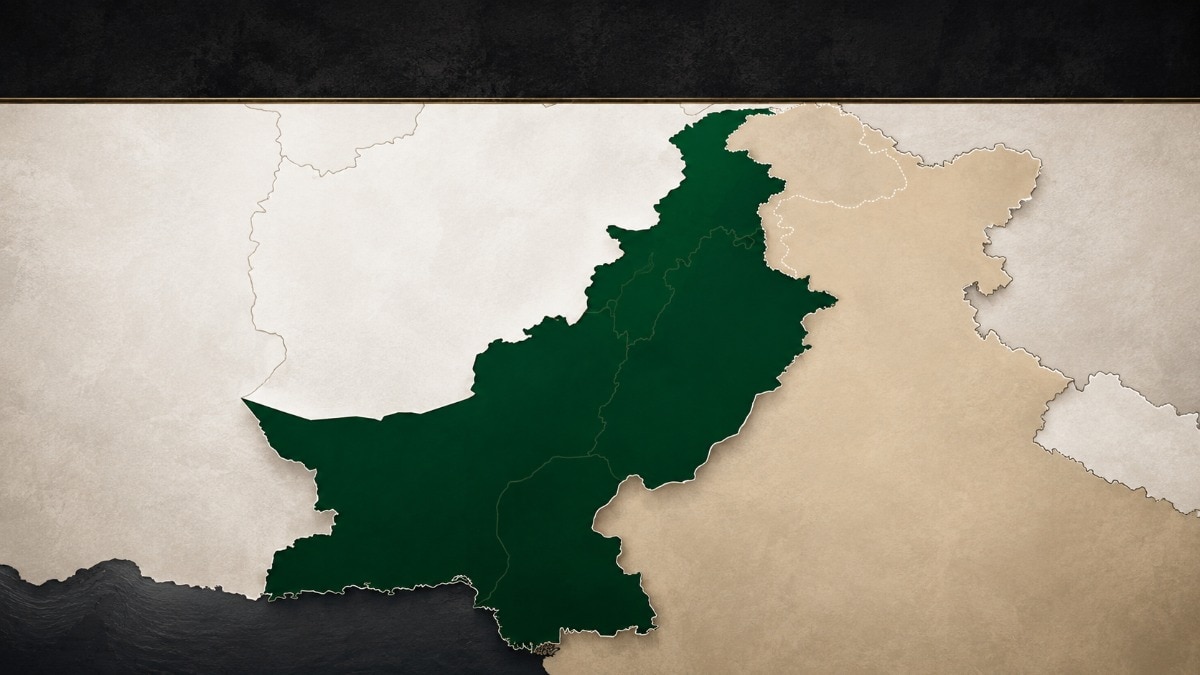
New data analysis reveals that Pakistan is fighting three distinct, high-intensity conflicts across Khyber Pakhtunkhwa, Balochistan, and PoJK, with fatalities reaching unprecedented levels.
Key Takeaways
- Pakistan is simultaneously battling three separate insurgencies in three different provinces.
- Over 17,105 fatalities have been reported between January 2020 and July 2026.
- Khyber Pakhtunkhwa has seen a massive 305% surge in fatalities.
- Conflict lethality is increasing even in areas where the number of incidents has decreased.
Recent data indicates that Pakistan is currently embroiled in a multi-front security crisis that has merged into a singular, deadly catastrophe. The nation is fighting three distinct "wars" simultaneously: the resurgence of the Tehreek-e-Taliban Pakistan (TTP) in Khyber Pakhtunkhwa, the sophisticated insurgency of the Baloch Liberation Army (BLA) in Balochistan, and rising civil unrest in Pakistan-occupied Jammu and Kashmir (PoJK).
The Escalation of Lethality
The most alarming trend identified by OSINT analysis is not just the frequency of clashes, but the increasing lethality of each encounter. In Khyber Pakhtunkhwa, fatalities skyrocketed by 305% following the 2021 Taliban takeover in Afghanistan. Similarly, in Balochistan, while incidents increased, the death toll rose by 207%, signaling a more coordinated approach by separatist groups targeting infrastructure and economic projects like CPEC.
Why This Matters: BozokMedia Analysis
BozokMedia analysis shows that Islamabad's response pattern remains dangerously stagnant: denying root causes, blaming external actors, and relying heavily on kinetic military force. This cycle fails to address the underlying socio-economic grievances, such as resource exploitation in Balochistan or political disenfranchisement in PoJK, making the conflicts more entrenched and violent.
The shift from frequent skirmishes to high-fatality strikes suggests that these insurgencies have evolved from mere protests into professionalized paramilitary struggles.
In PoJK, the data presents a chilling statistic: despite a 20% decrease in recorded incidents, fatalities jumped by 232% in 2026, proving that the nature of the conflict has become significantly more lethal.
Frequently Asked Questions
1. What are the three main conflict zones in Pakistan?
The three zones are Khyber Pakhtunkhwa (TTP insurgency), Balochistan (BLA insurgency), and PoJK (civil rights unrest).
2. How has the nature of these wars changed?
The conflicts have transitioned from localized unrest to highly lethal, coordinated insurgencies with much higher death tolls.