US President Donald Trump has issued a 'last chance' warning to Iran to reach a deal and halt military escalations. While Trump expects talks to begin within days, Tehran remains skeptical of direct negotiations.
Key Takeaways
- President Trump has labeled upcoming negotiations as Iran's 'last chance' for a deal.
- The proposed roadmap includes reopening the Strait of Hormuz followed by denuclearization.
- Iran has officially denied that any direct talks with the US are currently underway.
- Pakistan and Qatar are actively mediating to facilitate a meeting between the two powers.
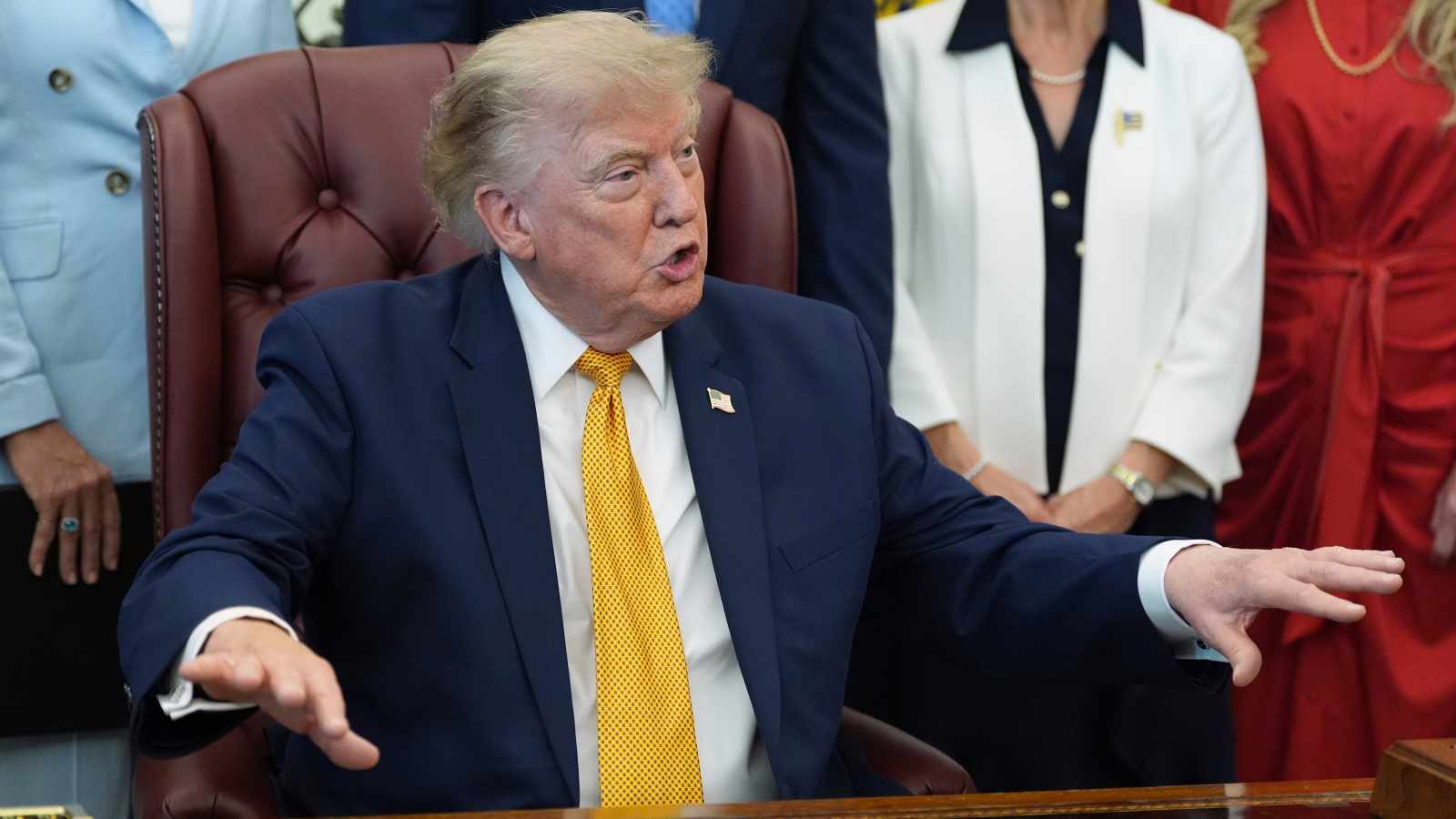
US President Donald Trump has issued a stern warning to Tehran, stating that the upcoming round of negotiations represents the 'last chance' for Iran to strike a deal and end the escalation of US military strikes. Speaking from the Oval Office, Trump expressed his expectation that negotiations could commence within the next 48 hours.
The proposed diplomatic framework consists of two distinct phases. The first phase aims to reopen the Strait of Hormuz to ensure the free flow of commercial shipping. The second, more complex phase involves the denuclearization of Iran's weapons program. Trump emphasized that his patience is wearing thin, urging Iranian leadership to sign a 'good document' to avoid further conflict.
Why This Matters
BozokMedia analysis shows that the stability of the Strait of Hormuz is directly linked to global economic stability. Any disruption in this maritime corridor immediately triggers volatility in the energy markets. We are already seeing a 1% surge in oil prices as markets react to the uncertainty of a diplomatic resolution.
The standoff between Washington and Tehran is a high-stakes game of brinkmanship that could redefine Middle Eastern geopolitics.
However, the Iranian response suggests a significant disconnect. Iranian Foreign Ministry spokesperson Esmail Baghaei dismissed Trump's claims of imminent talks, stating, "We are not currently negotiating with the United States." Furthermore, Iranian military adviser Mohsen Rezaei warned that US vessels could face "serious risks" if the naval blockade on Iranian ports continues.
The Role of Mediators: Pakistan's Initiative
As direct communication remains stalled, regional players are stepping in. Pakistan has emerged as a key mediator, with high-level officials extending invitations to Iranian negotiators to visit Islamabad. Deputy Foreign Minister Mohammed Ishaq Dar and National Assembly Speaker Ayaz Sadiq have both reached out to Tehran's leadership to facilitate a breakthrough.
Frequently Asked Questions
1. What are the two phases of Trump's proposed deal?
The first phase is the reopening of the Strait of Hormuz, and the second phase is the denuclearization of Iran.
2. Is Iran currently talking to the US?
No, the Iranian Foreign Ministry has officially denied that any direct negotiations with the US are currently taking place.