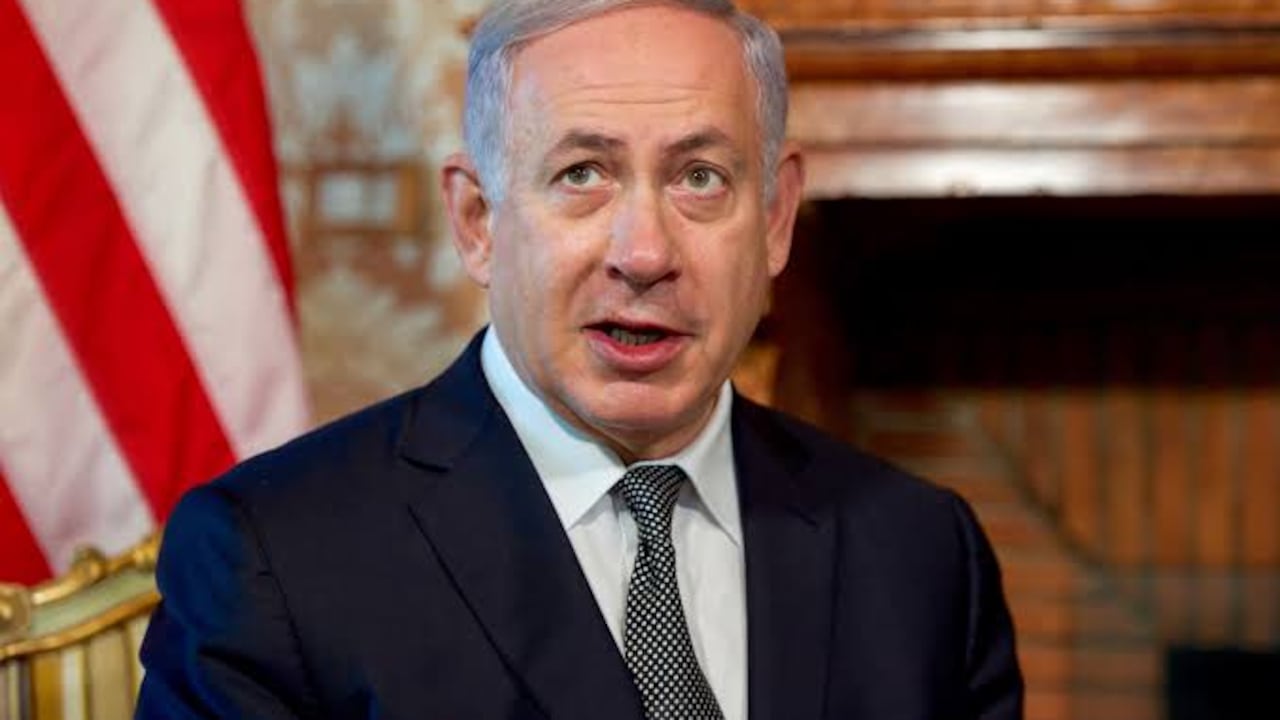
The Trump administration has revoked the visa of Brazil's ambassador following a series of diplomatic disputes. The move comes as pre-election tensions rise between Washington and Brasilia.
Key Takeaways
- The US revoked the visa of Brazil's Ambassador Maria Luiza Ribeiro Viotti.
- The move is a response to Brazil denying visas to US diplomats and delaying envoy approvals.
- Tensions are rising ahead of Brazil's critical October elections.
Washington: In a significant escalation of diplomatic tensions, the Trump administration has revoked the visa of Brazil's ambassador to the United States, Maria Luiza Ribeiro Viotti. The State Department characterized the move as a "reciprocal response" to Brazil's recent actions, including the denial of visas to American diplomats and the stalling of the approval process for President Donald Trump's nominee to Brazil.
The Root of the Dispute
US officials stated that the decision was not taken lightly and was delayed several times to allow Brazilian President Luiz Inácio Lula da Silva to reverse course. The primary sticking point remains the appointment of former Florida House speaker Danny Perez as the US ambassador to Brazil. According to officials, the visa issue could be resolved quickly if Brazil accepts Perez's nomination.
Why This Matters
BozokMedia analysis shows that this visa revocation is a symptom of a much larger geopolitical fracture. The friction between Washington and Brasilia is manifesting through trade tariffs, terrorist designations, and direct diplomatic confrontations, all set against the backdrop of Brazil's upcoming October 4 election.
"Reciprocity is the name of the game," a State Department official remarked regarding the decision.
The tension was further exacerbated when Brazil denied visas to Riley Barnes, the Assistant Secretary of State for Democracy, Human Rights, and Labor. While the US maintains the visit was a routine mission to discuss election integrity, Brazil viewed the move with suspicion, leading to a breakdown in diplomatic courtesy.
Historical Context and Trade War
The relationship between the current US administration and the Lula government has been marked by significant policy disagreements. Recently, the US imposed tariffs of up to 37.5% on various Brazilian exports, citing unfair competition and labor practices. Additionally, the US classification of major Brazilian drug-trafficking groups as foreign terrorist organizations has created further friction with the Lula administration.
Frequently Asked Questions
1. Is the Brazilian Ambassador being expelled from the US?
No, the official stated that the ambassador is not being expelled; she can resume duties if the Brazilian government accepts the US nominee.
2. How does this affect US-Brazil trade?
This diplomatic row adds to existing tensions, including a recent 37.5% tariff hike on numerous Brazilian goods.