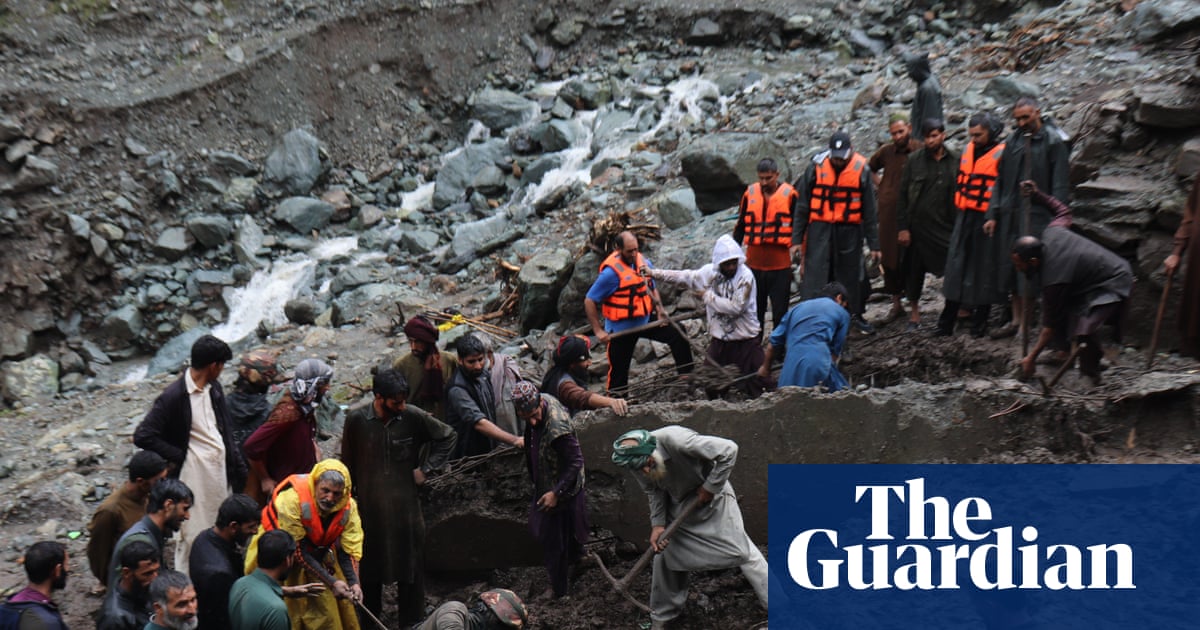
Extreme weather and cloudbursts have ravaged the Pir Panjal mountains in Kashmir, leaving multiple people missing and destroying entire villages.
Key Takeaways
- Cloudbursts and landslides have caused massive destruction in Kashmir's Pir Panjal range.
- Remote villages like Murrah are isolated due to destroyed roads and communication lines.
- Climate change is driving more frequent and intense rainfall events in the Western Himalayas.
- Search operations are ongoing for missing individuals in the Suran River.
The remote mountain village of Murrah, nestled in the Pir Panjal mountains of Indian-administered Kashmir, has been transformed into a landscape of debris and grief. Following a massive cloudburst, torrents of mud, boulders, and water swept through the village, obliterating homes that had stood for generations. Haji Mohammad Latief, a survivor, watched in horror as the torrent swallowed the house his family had built over five generations.
The Human Cost of the Disaster
The devastation is profound. In Murrah, electricity, roads, and mobile networks have been severed. Residents are forced to trek for 90 minutes through landslide-prone paths just to bring essential supplies like flour and medicine to the village. The search for the missing continues as rescue teams, including soldiers and local volunteers, comb through the swollen Suran River and piles of rubble.
Why This Matters
BozokMedia analysis shows that these increasingly erratic weather patterns are a direct symptom of the global climate crisis. Rising temperatures in the western Himalayas are creating a volatile environment where short, intense bursts of rain trigger catastrophic landslides, disproportionately affecting vulnerable pastoralist communities like the Gujjars.
'The challenge our mountain communities face is twofold: too much water at times and too little at others.' — ICIMOD Expert.
The destruction extends across the region. In Rajouri, the Manawar Tawi River breached its banks, washing away infrastructure, while in the Gurez Valley, cloudbursts have decimated crops and blocked vital transport routes, threatening the livelihoods of local farmers.
Historical Context
Historically, the Himalayan regions followed predictable seasonal patterns. However, the acceleration of glacier melt and shifting atmospheric conditions have rendered traditional knowledge of weather patterns obsolete, making the region one of the most climate-vulnerable zones in the world.
Frequently Asked Questions
1. What is causing the extreme weather in Kashmir?
Scientists attribute the increasing frequency of cloudbursts to rising temperatures and climate change affecting the Western Himalayas.
2. How are the local communities being affected?
Communities are losing homes, livestock, and crops, while critical infrastructure like roads and bridges are being destroyed, isolating them from help.