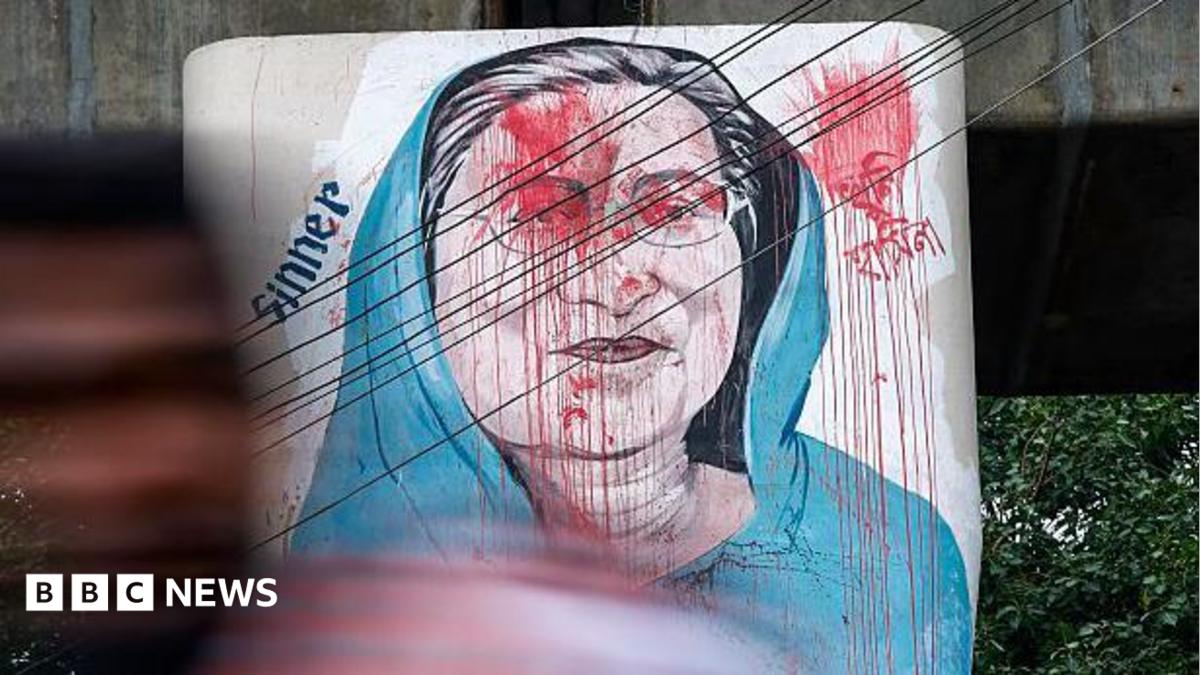
Former Bangladeshi Prime Minister Sheikh Hasina has announced her intent to return to her homeland this December, despite being sentenced to death for crimes against humanity. Facing a massive political shift, her decision could spark unprecedented unrest.
Key Takeaways
- Sheikh Hasina plans to return to Bangladesh in December.
- She faces a death sentence for crimes against humanity regarding the 2024 crackdown.
- The Awami League party is currently facing fragmentation and legal bans.
- The move has significantly strained India-Bangladesh diplomatic relations.
In a move that has sent shockwaves through South Asian politics, former Bangladeshi Prime Minister Sheikh Hasina has declared her intention to return to Dhaka this December. This decision comes despite her being sentenced to death in absentia by a special tribunal for her role in the deadly 2024 uprising. Speaking via an audio link from Delhi, the 78-year-old leader expressed a grim determination to face her fate.
"I know that they may put me in jail or they may kill me, anything may happen, but still I have to go back," Hasina stated during a virtual address to reporters. While she maintains that the charges are politically motivated, investigators and prosecutors have pointed to verified audio evidence suggesting she authorized the use of lethal force against protesters during the mass uprising.
Why This Matters
BozokMedia analysis shows that Hasina's potential return is a high-stakes gamble that could trigger widespread civil unrest. The current administration, led by the Bangladesh Nationalist Party (BNP), has already expressed outrage over her media appearances in India. Her return could force a confrontation between her remaining Awami League loyalists and the current ruling establishment, potentially destabilizing the entire region.
Hasina's return is not just a political move; it is a desperate attempt to maintain the relevance of her party in a post-Hasina era.
The geopolitical implications are equally profound. India, where Hasina is currently taking refuge, is under intense pressure from the new Bangladeshi government to extradite her. This tension threatens to unravel years of close bilateral cooperation between the two neighbors.
Historical Background
Sheikh Hasina's 15-year tenure ended abruptly in 2024 when student-led protests against job quotas escalated into a massive anti-government movement. The resulting crackdown by security forces left an estimated 1,400 people dead, leading to her fleeing to India and the eventual rise of an interim government, followed by the BNP's victory in the recent elections.
Frequently Asked Questions
1. Why was Sheikh Hasina sentenced to death?
She was convicted for crimes against humanity following the violent crackdown on protesters during the 2024 uprising.
2. Where is Sheikh Hasina currently located?
She is currently residing in India after fleeing Bangladesh during the political crisis.

