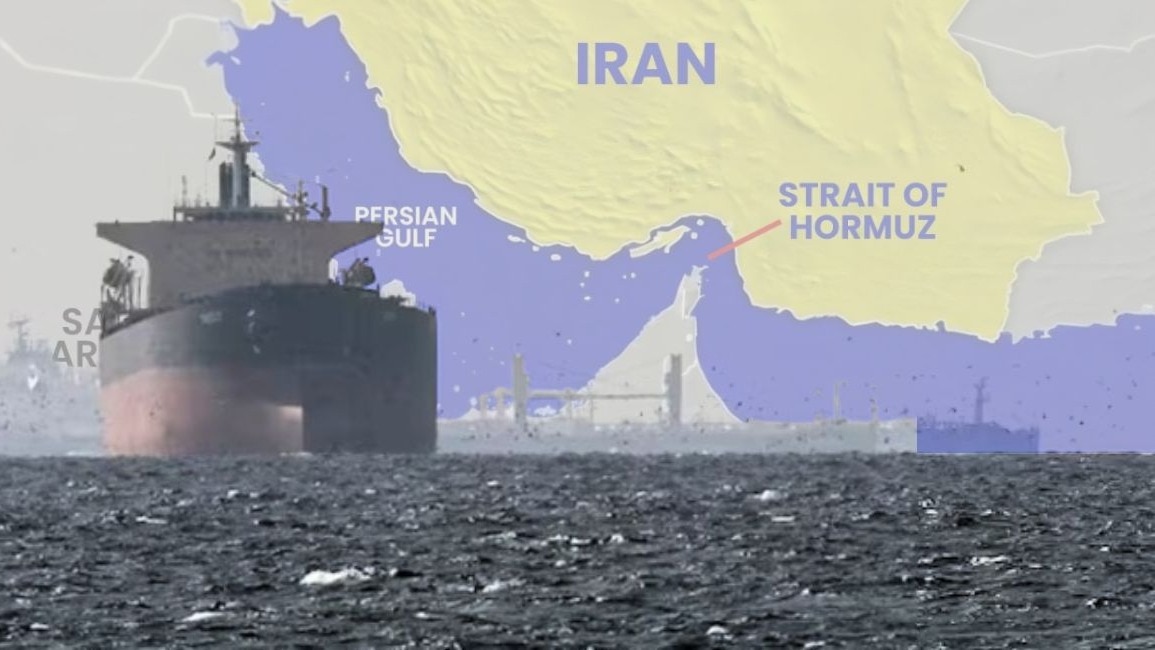
Iran has announced a strategic agreement with Oman regarding new shipping coordinates in the Strait of Hormuz, while simultaneously warning that US intervention could jeopardize maritime security.
Key Takeaways
- Iran and Oman have agreed on the geographic coordinates for a new shipping route in the Strait of Hormuz.
- A joint official statement is currently being finalized by both nations.
- Tehran warned that US naval blockades and 'aggressive actions' remain a threat to maritime stability.
- The Strait of Hormuz handles approximately 20% of the world's oil and gas supplies.
A major diplomatic breakthrough is unfolding in the Middle East. Iran has announced that it has reached a mutual understanding with Oman regarding the geographic parameters of a proposed shipping route through the strategic Strait of Hormuz. This development comes at a time of heightened global concern regarding energy security and maritime freedom.
Iranian Foreign Ministry spokesperson Esmaeil Baghaei confirmed that negotiations have been professional and productive. Both nations are now in the final stages of drafting a joint announcement. However, Baghaei cautioned that the success of this arrangement heavily depends on the non-interference of 'certain third parties,' a clear reference to the ongoing tensions with the United States.
Why This Matters
BozokMedia analysis shows that the Strait of Hormuz is the most critical maritime chokepoint in the world. Any disruption here can trigger an immediate spike in global oil prices. By securing this agreement, Iran is effectively consolidating its influence over one of the world's most vital energy corridors, shifting the geopolitical balance in the region.
Maritime security in the Gulf cannot be achieved through coordinates alone; it requires the cessation of regional military provocations.
Despite the optimism expressed by US President Donald Trump, who suggested progress is imminent, Tehran remains skeptical. Iran pointed to the US naval blockade and ongoing threats to its national interests as primary obstacles that could still jeopardize the safety of commercial vessels in the waterway.
Historical Background
The Strait of Hormuz has long been a flashpoint for conflict between Iran and Western powers. As a narrow passage connecting the Persian Gulf to the Gulf of Oman, it serves as the primary artery for global energy markets. Previous escalations and disruptions have historically led to massive volatility in international oil prices.
Frequently Asked Questions
1. What exactly did Iran and Oman agree upon?
They have reached an agreement on the specific geographic coordinates for a new shipping route to facilitate smoother vessel movement.
2. How does the US involvement affect this deal?
Iran argues that US military presence and aggressive naval actions could undermine the security of the agreed-upon route.