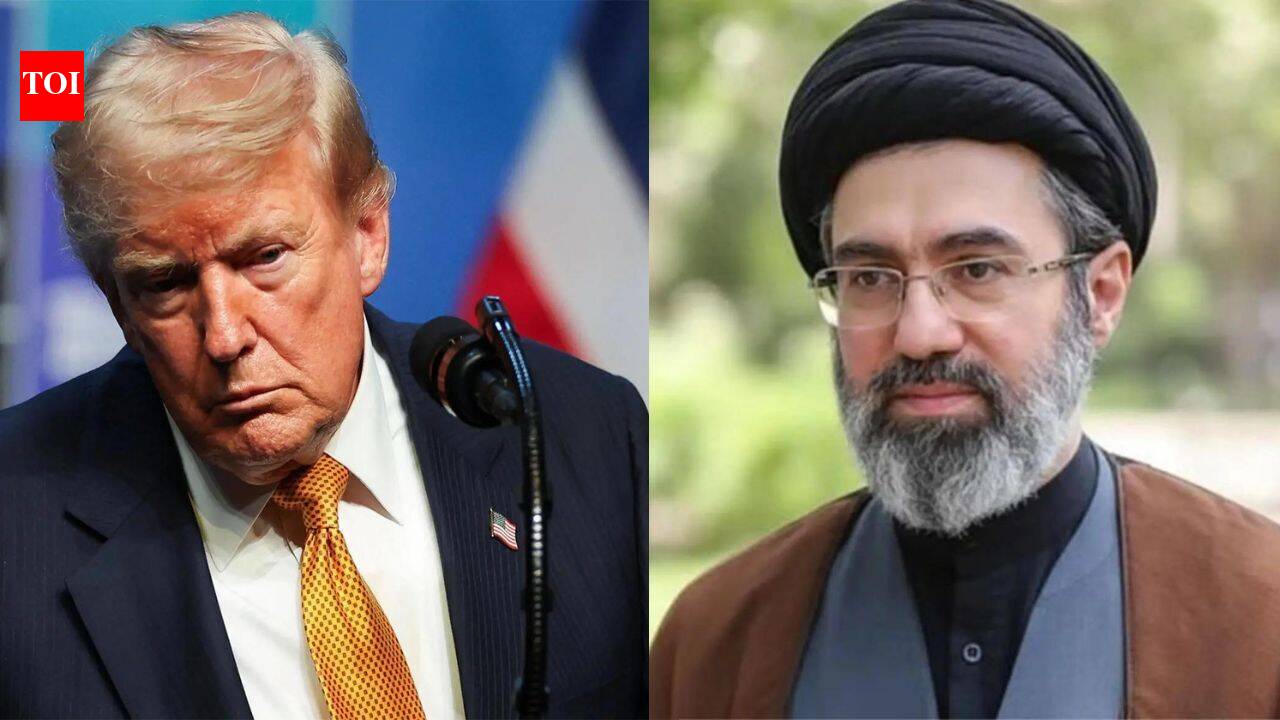
Iranian Parliament Speaker Mohammad Bagher Ghalibaf has slammed Donald Trump's pattern of military threats followed by sudden diplomatic overtures, calling it a failed strategy of 'theatre diplomacy'.
Key Takeaways
- Iranian Speaker Ghalibaf labeled Trump's tactics as 'theatre diplomacy on loop'.
- Trump cancelled planned strikes on Iran, claiming a deal is imminent.
- Tensions remain high over the strategic Strait of Hormuz and global energy security.
Iranian Parliament Speaker and chief negotiator Mohammad Bagher Ghalibaf has launched a scathing attack on US President Donald Trump, accusing him of engaging in repetitive "theatre diplomacy." Ghalibaf's remarks come after Trump repeatedly signaled imminent military strikes against Iran, only to abruptly call them off and pivot toward negotiation claims.
In a social media post on X, Ghalibaf dismissed Washington's approach as a failed pressure tactic. "'Massive attack coming…wait, never mind, they want to negotiate.' That’s theater diplomacy on loop," he wrote, adding that using bullying and broken promises as leverage is an ineffective strategy. He urged the US to acknowledge the actual facts on the ground and honor its commitments.
Why This Matters
BozokMedia analysis shows that this geopolitical tug-of-war has direct implications for the global economy. The Strait of Hormuz, a vital artery for global energy, has become a flashpoint. Any disruption in this waterway, caused by the ongoing regional conflict, leads to immediate volatility in oil prices, affecting markets worldwide.
"Using bullying + broken promises + fake news as leverage is a failed strategy." - Mohammad Bagher Ghalibaf.
On the other hand, Trump has maintained that a diplomatic breakthrough is close. He claimed that Tehran has requested a halt to strikes and promised that an agreement would lead to the "immediate, complete, and total opening of the Hormuz Strait." While Trump insists the war is nearing an end, Iranian officials remain steadfast in their readiness for a prolonged conflict.
Frequently Asked Questions
1. What is 'Theatre Diplomacy' as mentioned by Iran?
It refers to the perception that the US uses military threats as a dramatic performance to gain leverage in negotiations rather than pursuing genuine diplomacy.
2. How does the conflict affect oil prices?
The instability in the region and the potential closure of the Strait of Hormuz create supply fears, which drive global petrol and oil prices upward.