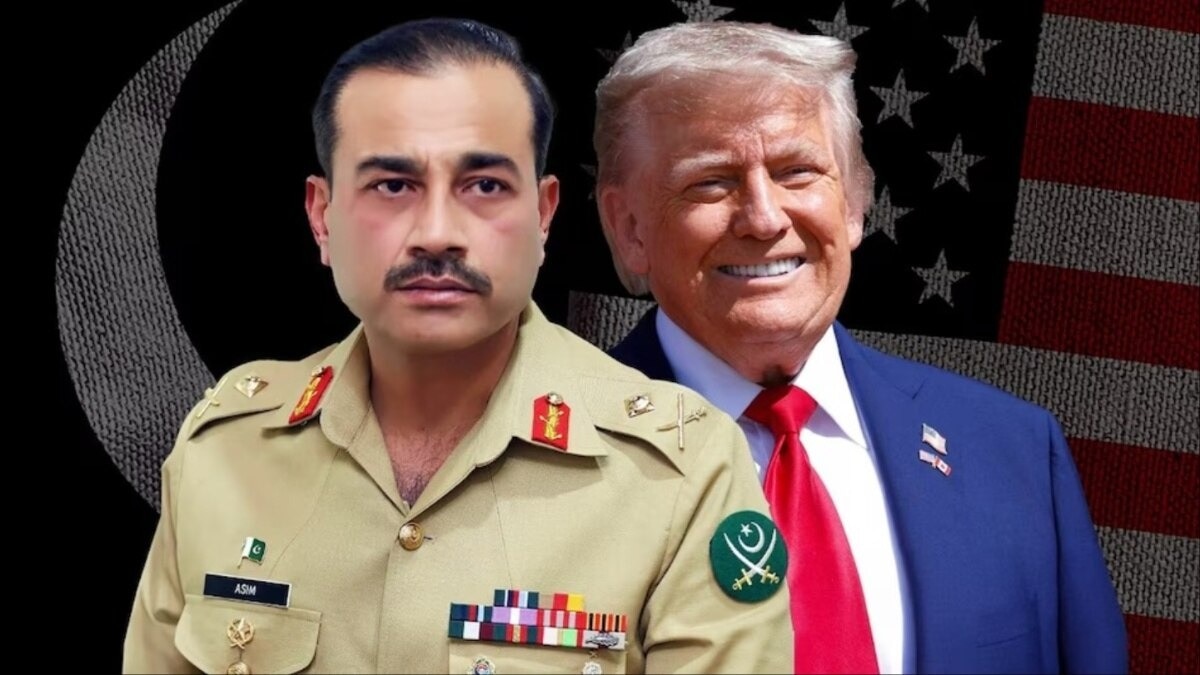
Pakistan is witnessing a significant policy shift as Army Chief Asim Munir leads a crackdown on hardline Islamist groups. Experts debate whether this is a security necessity or a calculated move to woo the Trump administration.
Key Takeaways
- A major shift in Pakistan's policy regarding hardline Islamist and blasphemy-related groups.
- Potential strategic alignment to improve relations with the US under Donald Trump.
- Economic necessity to protect trade ties with the European Union.
For decades, blasphemy laws in Pakistan have served as a volatile fault line, often leading to mob violence and targeted attacks on minorities. However, recent events in Karachi suggest a paradigm shift. When a Christian family faced potential mob violence, the usual hardline Islamist mobilization was noticeably absent, signaling a crackdown led by Field Marshal Asim Munir.
A Policy Reset Under Military Leadership
Under Munir's direction, the Pakistani security establishment is distancing itself from groups it once viewed as politically or strategically useful. Sources close to the military leadership suggest that Munir is adamant that fundamentalist dictates cannot coexist with a progressive, internationally respected Pakistan.
The military is repositioning Pakistan to align with global norms to ensure survival in a changing geopolitical landscape.
Why This Matters: BozokMedia Analysis
BozokMedia analysis shows that this is not merely a domestic law-and-order issue but a sophisticated survival strategy. Pakistan is attempting to pivot from a state plagued by extremism to one that is seen as a stable partner for Western powers and foreign investors.
The Trump Connection and Economic Stakes
The timing of this shift coincides with the rise of Donald Trump, whose administration has historically prioritized religious freedom concerns. By curbing extremist influence, Munir may be attempting to clear the path for smoother diplomatic relations with Washington. Furthermore, there is a massive economic incentive: Pakistan's exports to the European Union are at risk if religious tensions continue to destabilize the region's image.
Frequently Asked Questions
1. Why is the Army Chief personally involved in this crackdown?
The crackdown is seen as a top-down policy shift to ensure the military's vision for a stable Pakistan is implemented.
2. How does this affect US-Pakistan relations?
It aims to address US concerns regarding religious persecution, potentially easing diplomatic tensions.

