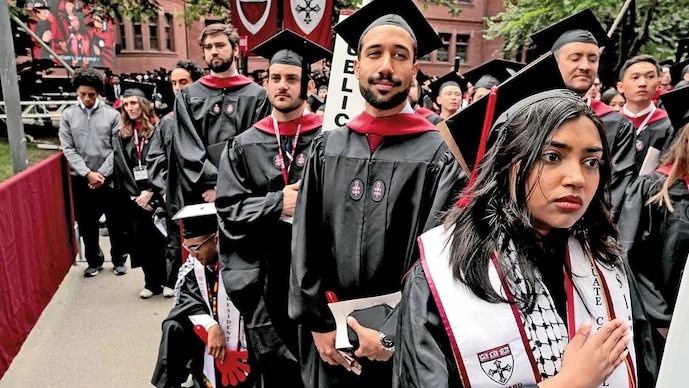
A massive decline in F-1 visa issuances has been recorded for Indian students, with a 62% drop—nearly double the decline seen by Chinese applicants.
Key Takeaways
- Indian F-1 student visa issuances fell by 62% during the peak 2025 admissions season.
- China saw a significantly lower decline of 34% in visa issuances.
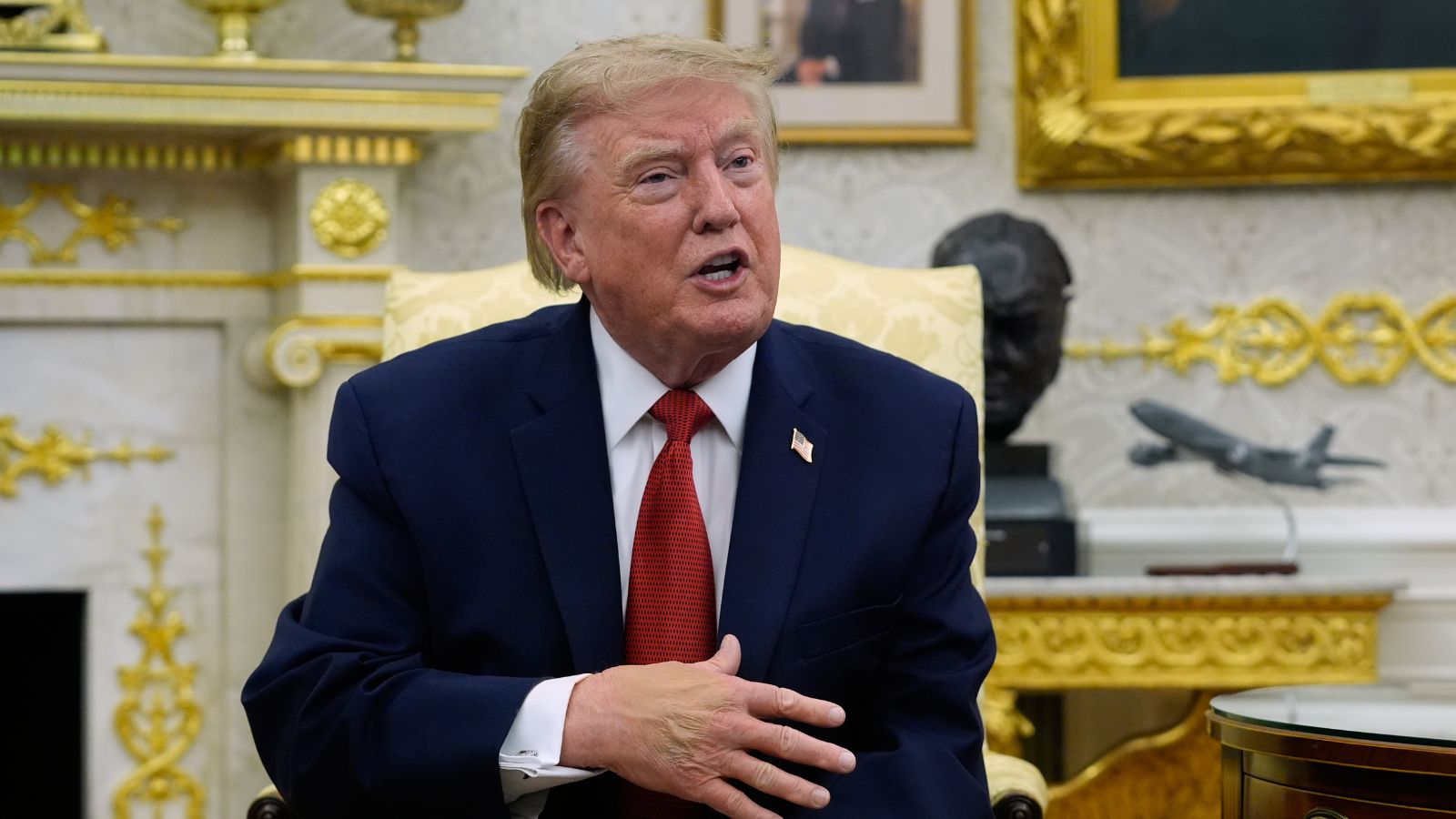
- Tighter immigration rules under the Trump administration are driving the trend.
- The reduction threatens the pipeline of Indian talent in US STEM sectors.
Indian students aspiring to pursue higher education in the United States are facing a significant setback. New data reveals a staggering 62% decline in F-1 student visas issued to Indian nationals during the critical May-August 2025 period. According to the Centre for Immigration Studies (CIS), American consulates issued only 22,149 visas to Indians, compared to 58,694 during the same period in 2024.
Disproportionate Impact on India
While student visa numbers are down globally, the impact on Indian nationals is disproportionately severe compared to their Chinese counterparts. While Chinese student visas saw a 34% year-on-year decrease, the drop for Indians was nearly double that rate. This shift comes despite India remaining the largest source of international students in the US, with over 363,000 Indian students enrolled in the 2024-25 academic year.
| Country | Visa Decline (%) | 2024 (May-Aug) | 2025 (May-Aug) |
|---|---|---|---|
| India | 62% | 58,694 | 22,149 |
| China | 34% | 61,075 | 40,034 |
Why This Matters
BozokMedia analysis shows that this decline has profound implications for the US labor market, particularly in high-tech sectors. Indian students constitute a massive portion of the Optional Practical Training (OPT) program and the STEM OPT extension. By restricting visa access, the US risks losing a critical pipeline of skilled professionals in science, technology, engineering, and mathematics.
The tightening of visa policies is fundamentally altering the landscape of global talent migration and US technological competitiveness.
Historical Context and Policy Shifts
The current slump is far below historical norms. Between 2017 and 2024, Indian students received an average of 55,717 visas during this peak window. The 2025 figure represents a 60% drop from that historical average. This trend is largely attributed to the Trump administration's overhaul of immigration rules, including replacing the 'duration of status' policy with fixed admission periods and reducing the post-graduation grace period from 60 to 30 days.
Frequently Asked Questions
1. What is the F-1 visa?
The F-1 visa is a non-immigrant visa that allows international students to enter the US for full-time academic studies.
2. How do the new rules affect students?
Newer regulations impose fixed admission periods and shorter grace periods after graduation, making it harder for students to extend their stay or transition to work.