Following US-Saudi airstrikes in Iraq, tensions have surged in Baghdad. Shia militias have issued an ultimatum to the government, raising fears of a repeat of the historic 1979 Tehran embassy crisis.
Key Takeaways
- Joint US-Saudi airstrikes against militia targets have ignited fury among Shia groups in Iraq.
- Islamic Resistance groups have issued an ultimatum to the Iraqi government regarding sovereignty and defense.
- Heavy military mobilization and armored vehicles are reported near the US Embassy in Baghdad.
- The situation mirrors the geopolitical volatility seen during the 1979 Tehran crisis.
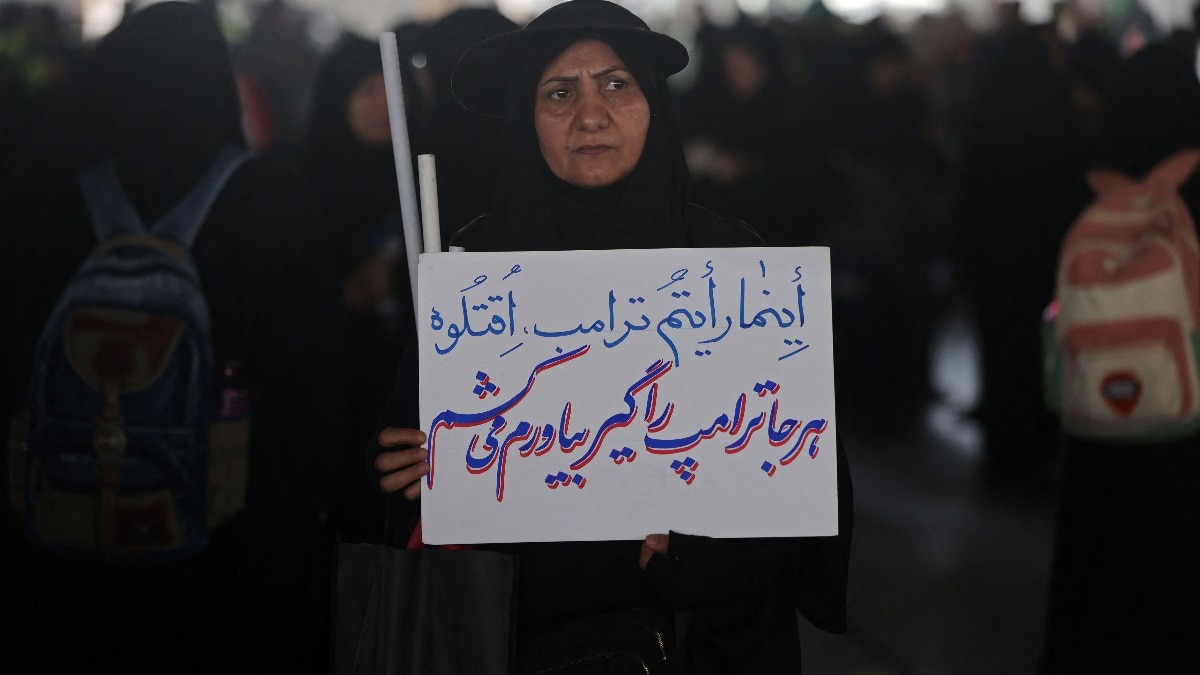
The Middle East is witnessing a rapid shift in political and security dynamics. The anti-American sentiment that surged in Iran has now spilled over into Iraq. Following the recent joint airstrikes conducted by the United States and Saudi Arabia, the atmosphere in Baghdad has turned extremely volatile, with Shia militias expressing unprecedented levels of anger.
A Shadow of 1979: The Tehran Parallel
The escalating situation in Baghdad is drawing chilling comparisons to the 1979 Tehran crisis, where the US Embassy was seized and citizens taken hostage. Currently, the Islamic Resistance and various Shia militia groups are accusing the Iraqi government of failing to protect national sovereignty against foreign interventions. The death of several Popular Mobilization Forces (PMF) fighters in recent strikes has served as a catalyst for this unrest.
Why This Matters
BozokMedia analysis shows that the stability of the Iraqi state is under direct threat from internal militia factions. The ability of the central government to consolidate arms under state control is being tested by these powerful non-state actors, making the US Embassy a high-stakes target in this regional power struggle.
The mobilization of heavy weaponry in Baghdad suggests that the window for diplomatic resolution is rapidly closing.
The Islamic Resistance has set a deadline of August 7th for the Iraqi government to demonstrate its ability to respond to foreign aggression. If the government fails to provide a credible defense, these groups have signaled they will take independent action. In response, Prime Minister Ali Faleh al-Zaidi has placed all security forces on high alert.
Frequently Asked Questions
1. Why are tensions rising in Baghdad?
The primary cause is the recent joint military strikes by the US and Saudi Arabia on militia-held territories in Iraq.
2. What is the significance of the August 7th deadline?
It is an ultimatum given by resistance groups to the Iraqi government to prove its sovereignty and defensive capabilities.