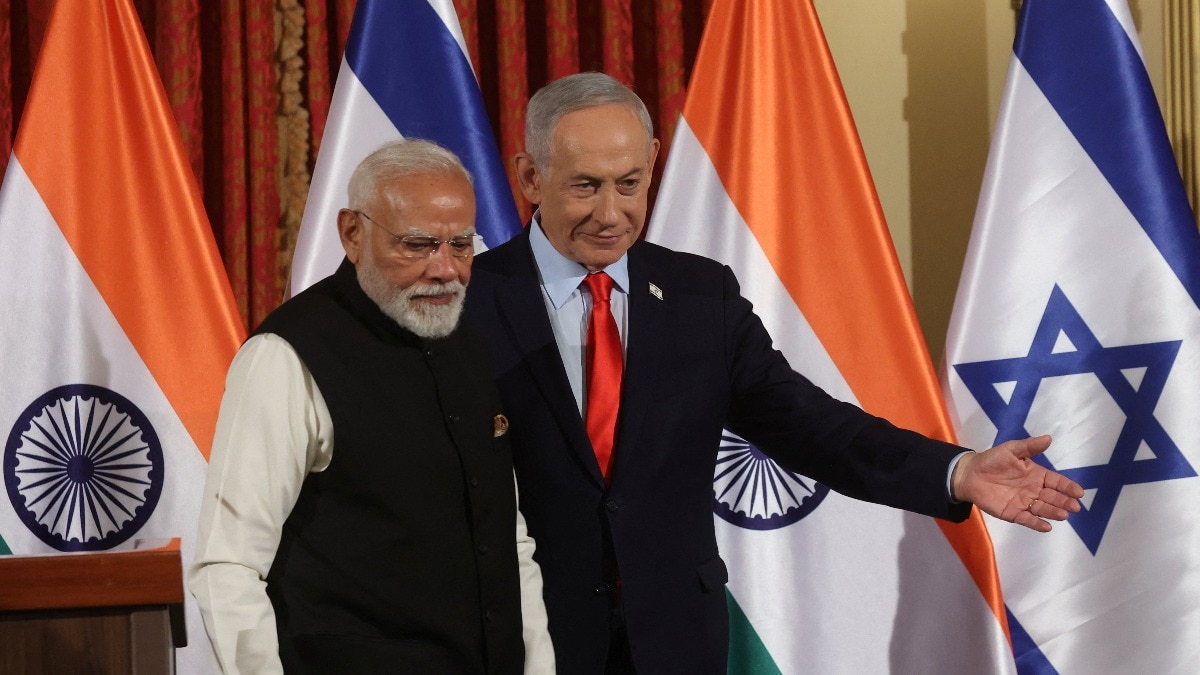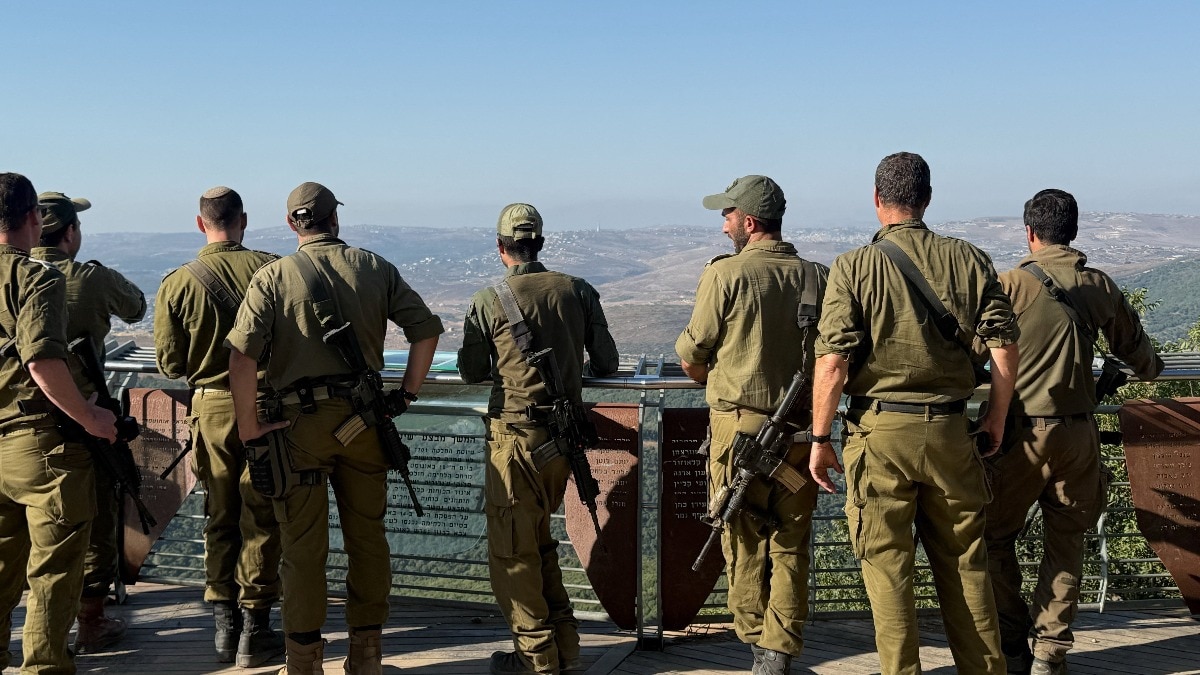
In a major diplomatic blow, Israel and the US have vetoed France's inclusion in the international force tasked with verifying Hezbollah's disarmament in Lebanon.
Key Takeaways
- Israel and the US have blocked France from the shortlist of countries to monitor Hezbollah's disarmament.
- Lebanon has officially rejected the use of private security firms for the verification process.
- The final selection of monitoring nations now rests solely with Washington.
- Negotiations regarding Israeli military withdrawal areas remain unresolved.
In a significant shift in Middle Eastern diplomacy, Israel and the United States have vetoed France from a shortlist of nations considered for the role of verifying Hezbollah's disarmament. This move comes as part of the implementation process for a US-brokered deal intended to stabilize the volatile Lebanon-Israel border.
The discussions, held at the US embassy in Rome, were aimed at finalizing the framework for a phased military withdrawal by Israel from southern Lebanon. This withdrawal is contingent upon the disarmament of Hezbollah, a process that requires credible third-party verification. However, the rejection of France indicates deep-seated geopolitical disagreements regarding who can be trusted to oversee this sensitive mission.
Why This Matters
BozokMedia analysis shows that this veto highlights the intense level of control the US and Israel seek to maintain over the security architecture of the Levant. By sidelining a major European power like France, Washington is signaling that the verification process must align strictly with their strategic security interests.
The exclusion of France suggests that the disarmament process is moving away from broad international consensus toward a more US-centric security model.
Furthermore, the Lebanese government has taken a firm stance by rejecting proposals to utilize private security firms. Beirut insists that only sovereign states possess the legitimacy and mandate to oversee the disarmament of a powerful non-state actor like Hezbollah. Officials are currently debating whether the monitoring force should operate under the existing UNIFIL mandate or through a new UN Security Council resolution.
Historical Background
Hezbollah has been a central player in Lebanese politics and regional conflict for decades. As a non-state actor with significant military capabilities, its refusal to surrender weapons has long been a primary obstacle to achieving lasting peace between Lebanon and Israel.
Frequently Asked Questions
1. Why did Lebanon reject private security firms?
Beirut believes that only sovereign states have the legal and political authority to monitor disarmament, rather than commercial entities.
2. What happens next in the negotiations?
The US will select the final monitoring countries, and the next round of high-level talks is scheduled for early September.