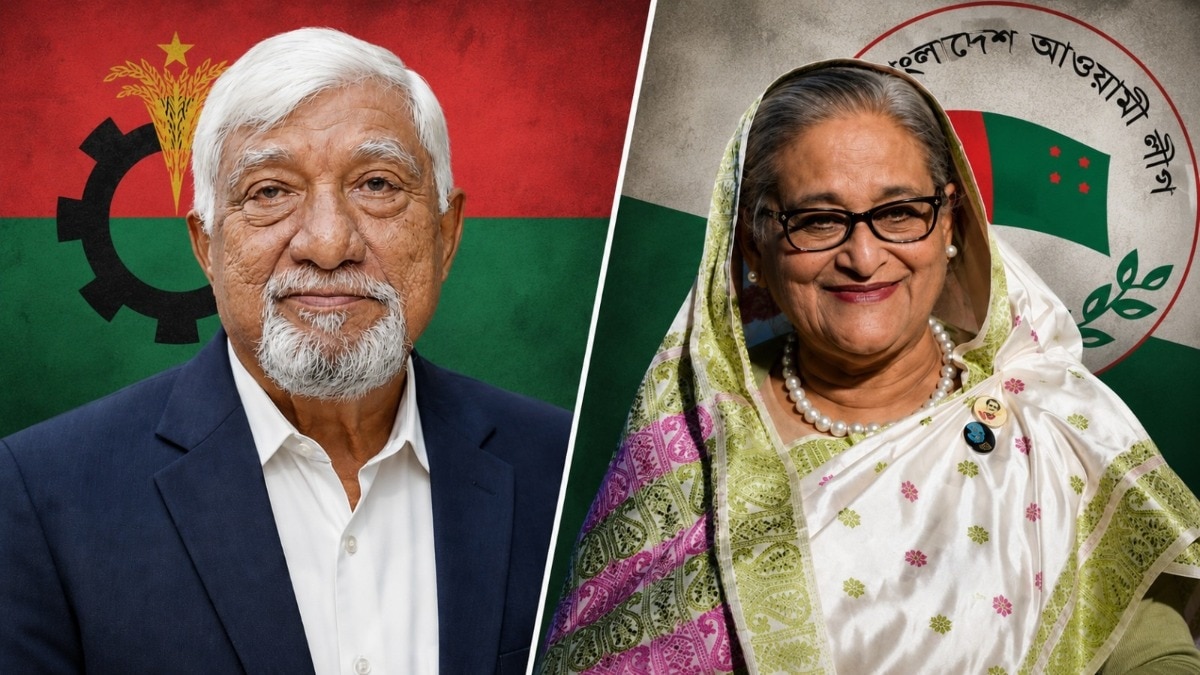
A controversial claim by BNP MP Nasir Uddin Chowdhury regarding a merger with the Awami League has sent shockwaves through Bangladesh's political landscape following Sheikh Hasina's recent statements in Delhi.
Key Takeaways
- BNP MP Nasir Uddin Chowdhury called the Awami League an 'ally' rather than an enemy.
- The MP suggested a future merger between the BNP and the Awami League.
- This comes after Sheikh Hasina's announcement of a potential return to Bangladesh in December.
- The BNP leadership and the current government maintain a starkly different stance.
The political atmosphere in Bangladesh has reached a boiling point following a sensational claim by a Member of Parliament from the Bangladesh Nationalist Party (BNP). Nasir Uddin Chowdhury, representing Sunamganj-2, has sparked intense debate by advocating for a merger between the BNP and the now-restricted Awami League led by Sheikh Hasina.
During a recent rally, Chowdhury stated that the Awami League should not be viewed as an adversary but as a collaborator, citing their shared history in the Liberation War. He went as far as to suggest that a merger between the two major political entities is on the horizon. However, these remarks stand in direct contradiction to the official stance of the BNP leadership and the current administration in Dhaka.
Why This Matters
BozokMedia analysis shows that this development could signal deep-seated internal divisions within the BNP or a strategic shift in the country's power dynamics. As the BNP-led government continues to demand the extradition of Sheikh Hasina from India, a call for unity with her party creates a massive ideological paradox that could destabilize the current political consensus.
'Awami League is not our enemy; they are our allies. They will soon merge with the BNP.' - Nasir Uddin Chowdhury
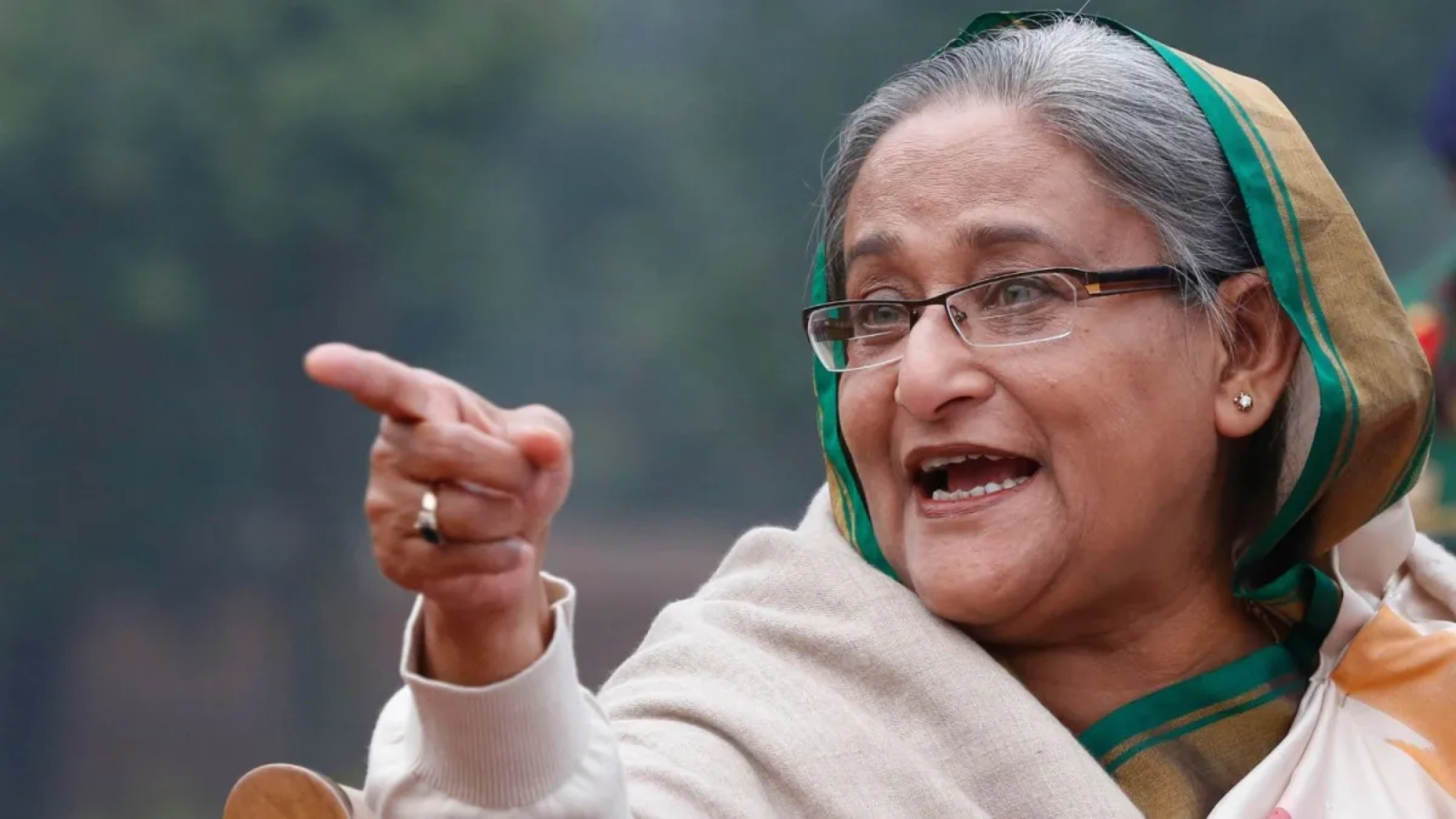
This controversy follows Sheikh Hasina's recent public appearance in Delhi, where she expressed her intention to return to Bangladesh this December, coinciding with the anniversary of the 1971 Liberation War.
Historical Background
The political landscape of Bangladesh has long been defined by the fierce rivalry between the Awami League and the BNP. While the Awami League played a central role in the 1971 struggle for independence, the BNP was founded by Ziaur Rahman to provide an alternative nationalist platform. The tension between these two ideologies has shaped the nation's governance for decades.
Frequently Asked Questions
1. What is the basis of Nasir Uddin Chowdhury's claim?
He bases his claim on the historical shared struggle of both parties during the Liberation War, viewing them as natural allies.
2. How has the BNP leadership responded?
While the MP made the claim, the mainstream BNP leadership and the government have expressed views that are entirely opposed to such a merger.