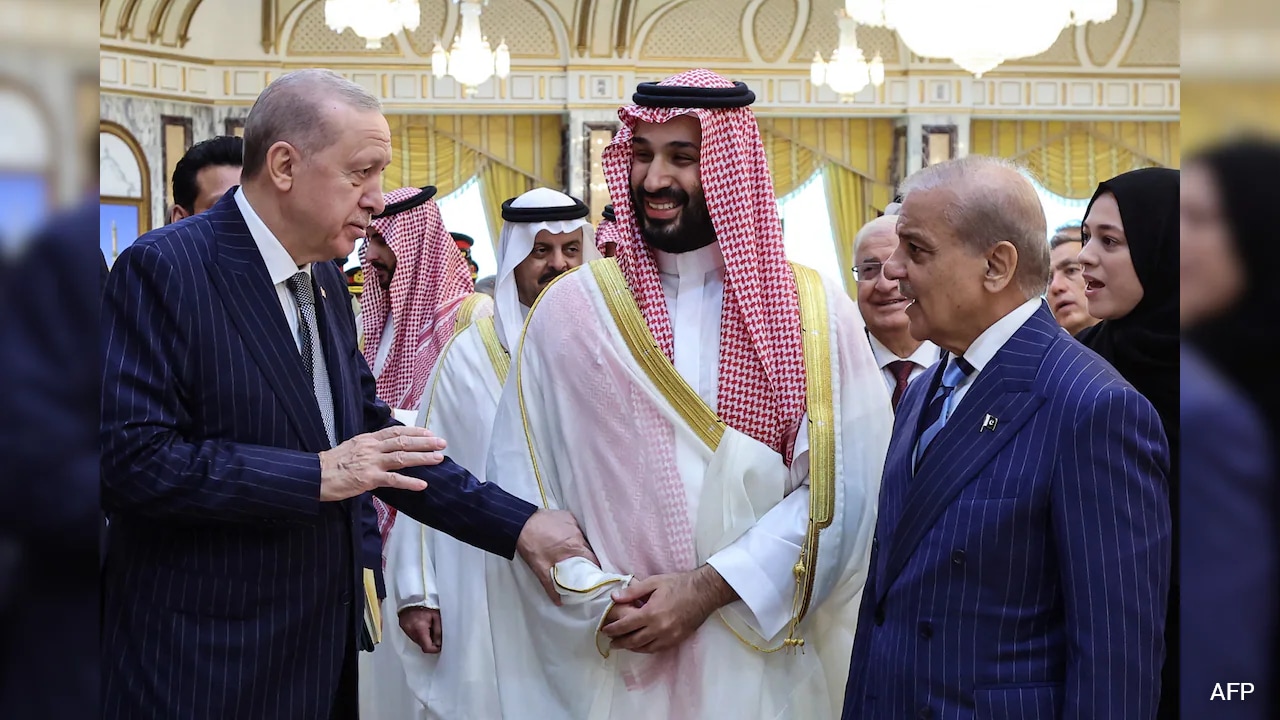
A strategic military alliance between Saudi Arabia, Pakistan, and Turkey is emerging, featuring a NATO-style mutual defense clause. This move could reshape regional security dynamics.
Key Takeaways
- A tripartite security pact is forming between Pakistan, Saudi Arabia, and Turkey.
- The alliance utilizes a NATO-style clause: an attack on one is an attack on all.
- This pact aims to stabilize strategic interests amidst Middle Eastern conflicts.
As tensions escalate across the Middle East, a massive geopolitical shift is underway. Saudi Arabia, Pakistan, and Turkey—three influential Sunni nations and strategic US allies—are moving toward a defense arrangement that mirrors the structure of NATO.
A Collective Defense Architecture
The core of this proposed alliance lies in its mutual defense mechanism. Unlike traditional bilateral treaties, this pact aims to implement a collective security clause. This means any military aggression against one member would trigger a coordinated response from all signatories, creating a powerful deterrent against regional adversaries.
Why This Matters
BozokMedia analysis shows that this move signifies a transition from fragmented security cooperation to a unified regional bloc. By combining Turkey's advanced military technology, Saudi Arabia's economic might, and Pakistan's significant manpower, these nations are creating a formidable strategic axis.
This alliance represents a strategic pivot toward regional self-reliance in an increasingly unpredictable global security landscape.
Historically, the security ties between Pakistan and Saudi Arabia have been the bedrock of regional stability. The integration of Turkey into this triad adds a layer of sophisticated defense capabilities and Mediterranean influence, effectively bridging the Middle East and South Asia.
Frequently Asked Questions
1. How does this differ from existing treaties? Unlike existing bilateral ties, this pact introduces a multi-lateral collective defense obligation similar to NATO.
2. Will this impact US interests? While all three are US allies, this pact may allow them to pursue independent regional security agendas.