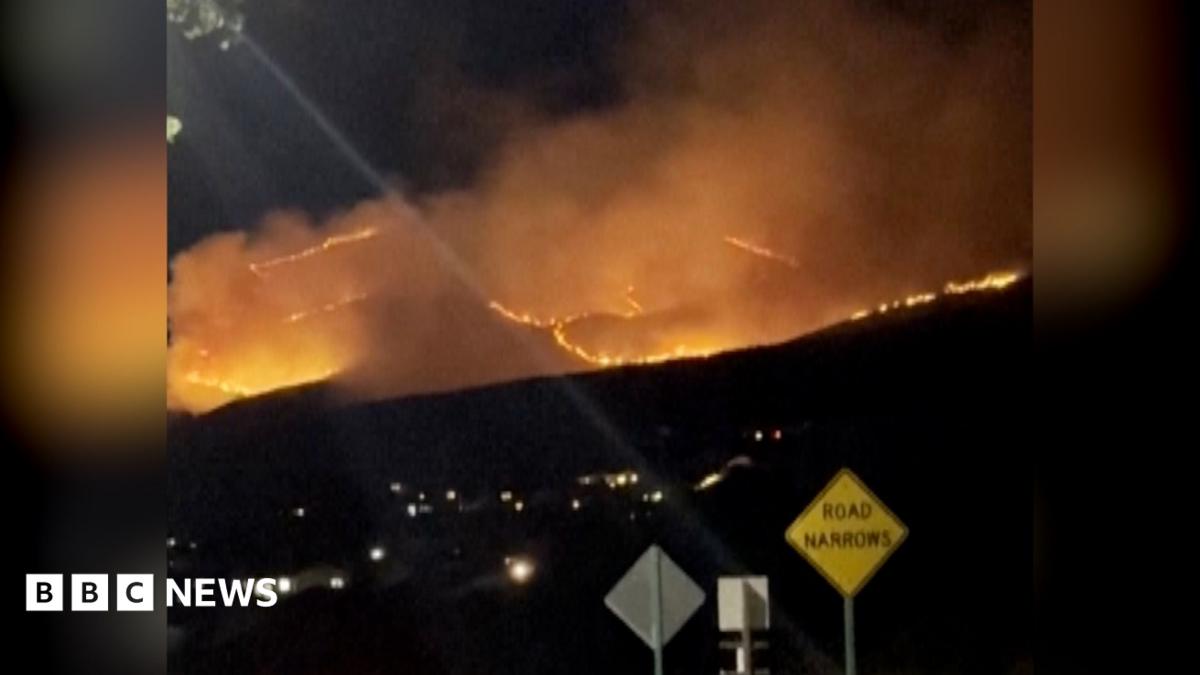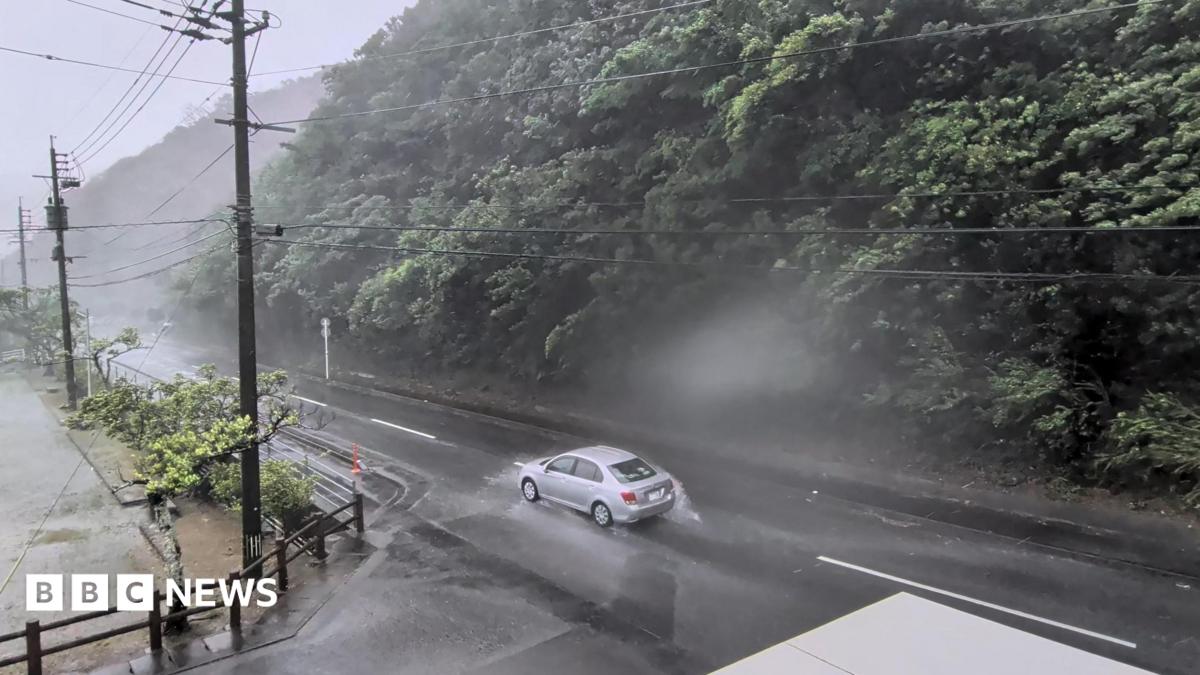
Typhoon Dolphin has struck Japan's Okinawa, cutting power to 44,000 buildings and causing injuries. The storm is now tracking toward China's eastern coast, prompting high alerts.
Key Takeaways
- Power outages reported in over 44,000 buildings in Okinawa.
- At least five people injured due to high winds in Japan.
- Naha International Airport has suspended all flight operations.
- China's Zhejiang province has issued its highest coastal alert.
The powerful Typhoon Dolphin made a devastating impact on Japan's Okinawa island on Saturday, bringing extreme winds and heavy rainfall. The Japan Meteorological Agency categorized the storm as "very strong," reporting maximum wind speeds of up to 162 km/h (101 mph). The most affected areas include the islands of Okinawa and Amami in the southwestern part of the country.
The storm's intensity has caused significant infrastructure damage, with electricity being cut to at least 44,000 buildings. In Nago city, reports indicate up toppled trees and overturned vehicles. According to the Okinawan prefectural government, five elderly residents sustained non-life-threatening injuries after being knocked down by the gale-force winds. Consequently, Naha International Airport has been closed, canceling all incoming and outgoing flights.
Why This Matters
BozokMedia analysis shows that the increasing intensity of storms like Dolphin is closely linked to the current El Niño cycle. Experts suggest that warmer ocean temperatures are providing more energy to these systems, making them significantly more destructive than in previous decades.
The escalation of typhoon intensity is a direct consequence of shifting climatic patterns and rising sea surface temperatures in the Western Pacific.
As Dolphin moves away from Japan, it is bearing down on China's eastern coast. In China's Zhejiang province, authorities have raised the coastal typhoon alert to its highest level. The Ningbo Lishe International Airport has suspended operations, and schools and ports have been shut down in anticipation of the storm's landfall, expected late Sunday or early Monday.
Historical Background
Typhoon season in the Western Pacific typically spans from May to October. While the region sees an average of 25 cyclones reaching tropical storm strength annually, only about three typically make landfall in Japan. It is important to note the distinction in terminology: storms in the North-West Pacific are called typhoons, while those in the Atlantic or Eastern Pacific are known as hurricanes.
Frequently Asked Questions
Question 1: How many people were injured in the storm?
Answer: At least five elderly individuals suffered non-life-threatening injuries in Okinawa.
Question 2: Is China prepared for the landfall?
Answer: Yes, China has issued its highest coastal alert and closed schools and ports in affected provinces.