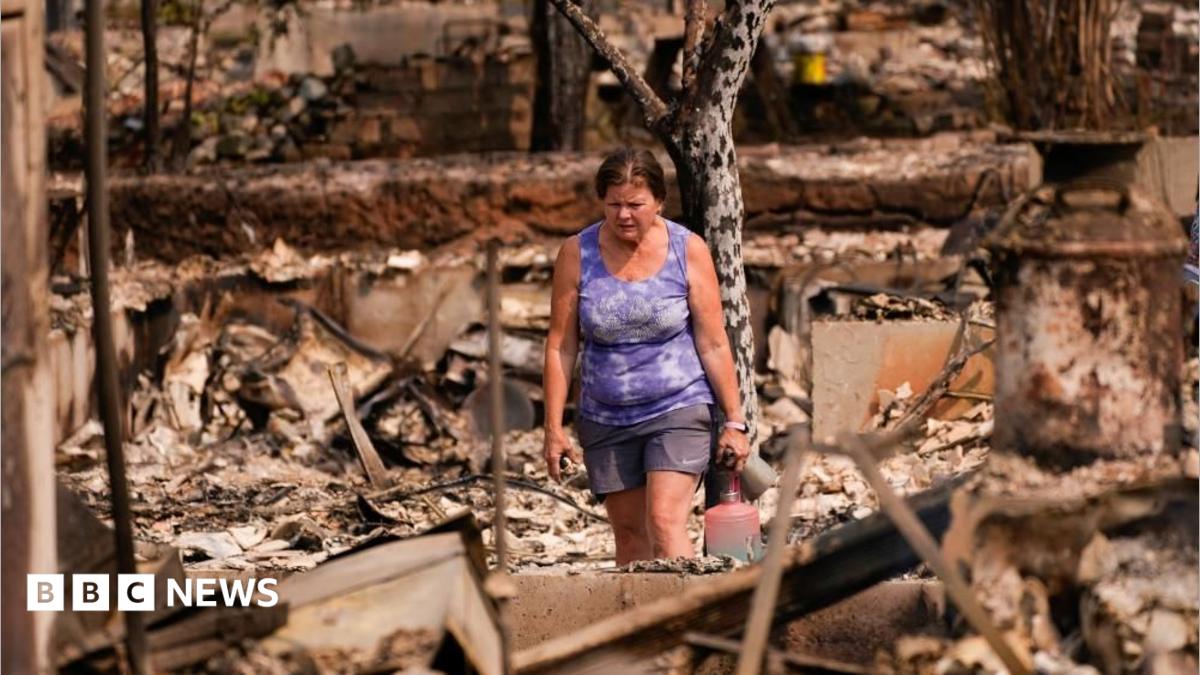
Wildfires in Spokane, Washington, have caused unprecedented destruction, breaching natural barriers and forcing 65,000 people to evacuate. Authorities are investigating a potential arson suspect in the blaze.
Key Takeaways
- Nearly 25% of Spokane's population (65,000 people) were forced to evacuate.
- The fire breached the river, a natural barrier that previously protected the city.
- A suspect, Aaron Farinacci, has been arrested on suspected arson charges.
- Approximately 900 buildings are believed to have been destroyed.
The residents of Spokane, Washington, who are no strangers to summer smoke, are facing a level of destruction they have never witnessed before. What began as seasonal brushfires escalated into a catastrophic event that has left entire neighborhoods in smoldering ruins. For many, the realization of the danger hit home when the flames leaped over the river, a natural barrier that has historically shielded the city.
A Scale of Destruction Unseen
The sheer scale of the evacuation is staggering. Nearly 65,000 residents were forced to flee their homes as dark columns of smoke raced toward residential areas. For survivors like Chris Matthews, the trauma of returning to find his home completely destroyed is immeasurable. The intensity of the winds allowed the fire to roar up hillsides with terrifying speed, bypassing traditional containment methods.
"The fire jumped the river like it wasn't even there, driven by winds that turned a manageable blaze into a nightmare."
Why This Matters: BozokMedia Analysis
BozokMedia analysis shows that this incident highlights a dual crisis: the increasing volatility of wildfire seasons due to climate conditions and the rising threat of intentional arson. The arrest of Aaron Farinacci, who allegedly chose a dry, windy day to spark the blaze, adds a layer of criminal intent to an already tragic environmental disaster. This intersection of human malice and extreme weather patterns poses a new, complex challenge for urban fire management.
Historical Context of Pacific Northwest Fires
While the Pacific Northwest typically experiences smoke and small evacuations during the summer months, the recent fires in Spokane have broken historical precedents. The combination of extreme dryness and high-velocity winds has rendered traditional firebreaks, such as rivers, ineffective, forcing emergency services to fight on multiple fronts simultaneously.
Frequently Asked Questions
1. How many buildings have been lost in the Spokane fires?
It is estimated that approximately 900 buildings have been destroyed by the flames.
2. Has there been any loss of life reported?
Miraculously, no deaths or major injuries have been reported as of the latest updates.