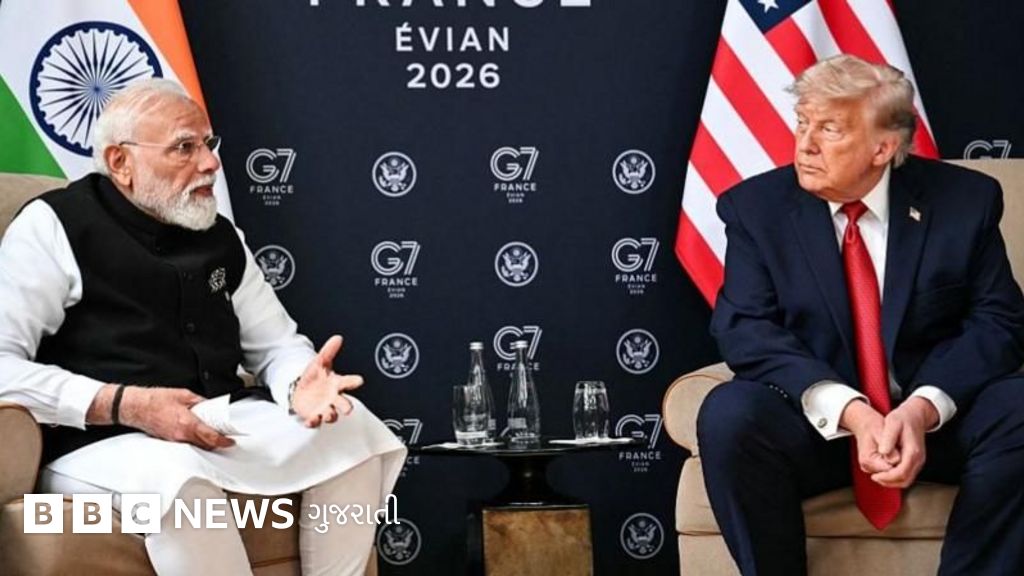
The US Senate has passed a landmark bill aimed at curbing Russia's energy revenue, potentially imposing massive 100% tariffs on major importers, including India and China.
Key Takeaways
- The US Senate passed the 'Lindsey O. Graham Sanctioning Russia and Iran Act of 2026' with an 86-11 vote.
- The bill authorizes President Donald Trump to impose 100% tariffs on goods from Russia's top five oil and gas importers.
- Major economies, including India and China, face significant trade implications.
- The primary goal is to choke the funding used by Russia to fuel the Ukraine war.
WASHINGTON D.C.: In a decisive move to tighten the economic noose around Moscow, the United States Senate has overwhelmingly approved a bill targeting the primary purchasers of Russian petroleum products. This legislative shift poses a direct challenge to major trading partners, most notably India and China.
The legislation, officially titled the 'Lindsey O. Graham Sanctioning Russia and Iran Act of 2026', passed with a commanding 86-11 majority. Under this new authority, President Donald Trump will have the power to levy massive 100% tariffs on imports coming from Russia's top five oil and gas importers, aiming to dismantle the financial backbone of the Russian military efforts in Ukraine.
Why This Matters
BozokMedia analysis shows that this move signals a shift from targeted individual sanctions to broad-spectrum economic warfare against entire trade corridors. For countries like India, which has balanced its strategic autonomy with energy security by purchasing Russian crude, this could create a massive diplomatic and economic dilemma. The cost of energy imports could skyrocket, impacting global inflation and regional stability.
This legislation represents a paradigm shift in US foreign policy, moving from diplomatic pressure to aggressive economic deterrence against third-party facilitators of Russian energy sales.
Addressing concerns regarding the impact on bilateral trade, Kevin Hassett, Director of the White House National Economic Council, noted that the outcome would depend heavily on ongoing negotiations, leaving the future of India-US trade relations in a state of cautious uncertainty.
Historical Background
Since the onset of the conflict in Ukraine, the international community has utilized various sanction regimes. However, the current US approach marks an escalation by targeting the 'secondary' buyers—the nations that provide the liquidity Russia needs to sustain its defense industry and broader economy.
Frequently Asked Questions
1. Which countries are most affected by this bill?
The bill specifically targets the top five importers of Russian oil and gas, which includes major players like India and China.
2. What is the objective of the 100% tariff?
The objective is to make it economically unviable for any nation to continue supporting Russia's energy sector, thereby cutting off funds for the Ukraine war.
