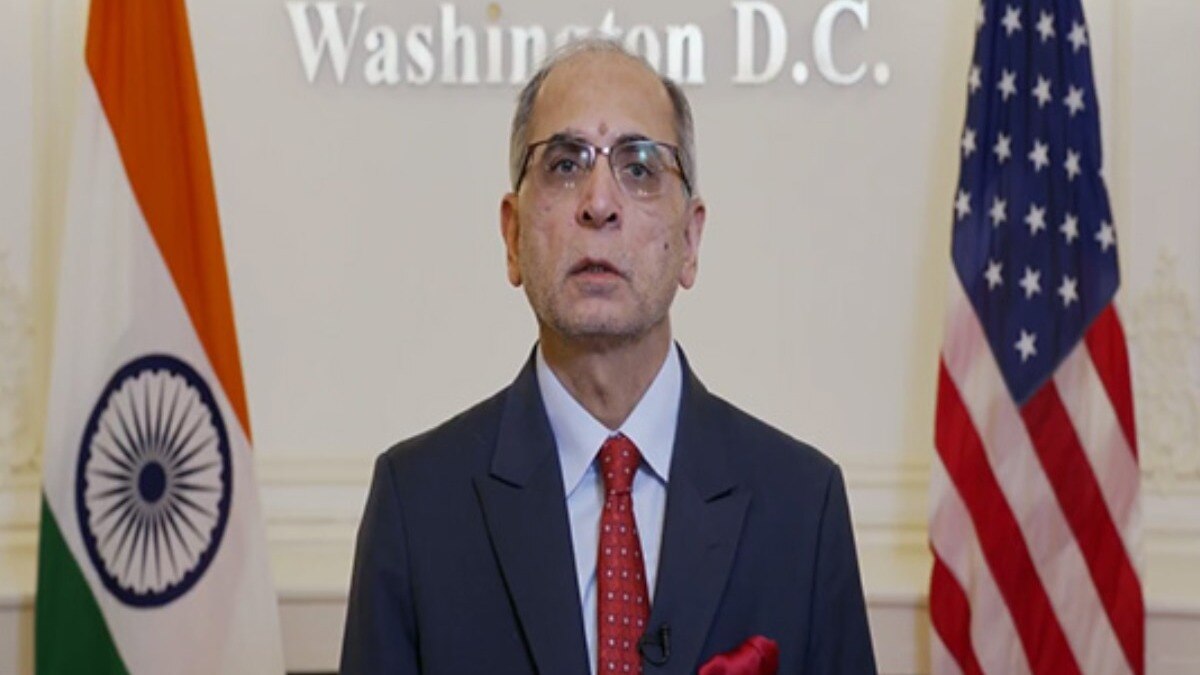
Indian Ambassador to the US, Vinay Mohan Kwatra, has debunked myths surrounding the proposed FCRA Amendment Bill 2026, asserting that the law aims for transparency, not the cessation of foreign funding for NGOs.
Key Takeaways
- The FCRA 2026 Bill focuses on transparency and regulation, not on banning foreign contributions.
- Foreign contributions to registered NGOs grew from $1.2 billion (2010-11) to $2.67 billion (2024-25).
- The law is neutral and applies equally to all organizations regardless of religion or ideology.
- Similar regulatory frameworks exist in other democracies like the US (FARA), UK, and Canada.
India's Ambassador to the United States, Vinay Mohan Kwatra, has decisively addressed the ongoing discourse within media and civil society regarding the proposed Foreign Contribution (Regulation) Amendment Bill (FCRA), 2026. Through a detailed 'Myth vs. Reality' analysis shared on social media, Ambassador Kwatra countered claims that the new legislation would impose draconian restrictions on NGOs, religious institutions, and charitable organizations.
The Ambassador emphasized that receiving foreign contributions is not prohibited under FCRA. Instead, the 2026 Bill seeks to rectify administrative and regulatory loopholes. Highlighting a significant increase in funding, he noted that foreign contributions rose from approximately $1.2 billion in 2010-11 to $2.67 billion in 2024-25. Furthermore, out of over 3 million NGOs in India, only about 14,450 hold FCRA registrations, meaning the vast majority of civil society operates outside this specific regulatory scope.
Why This Matters
BozokMedia analysis shows that this diplomatic offensive is a calculated move to protect India's internal sovereignty. By framing the regulation as a matter of national security, India is signaling that it will not tolerate foreign interference under the guise of philanthropy. The move establishes a clear boundary between legitimate charitable work and politically motivated foreign funding.
"Regulating foreign financial inflows is a standard sovereign prerogative to prevent external interference in domestic stability, mirrored in most G20 nations."
Addressing concerns over the seizure of assets, Ambassador Kwatra explained that provisions for managing assets of organizations with cancelled registrations already exist. The 2026 Bill proposes a 'Designated Authority' for this process, with clear pathways for the return of funds and assets if registration is restored, alongside the right to judicial appeal.
| Issue | Myth | Reality |
|---|---|---|
| Funding Flow | Foreign funds will be shut down | Funding has actually increased; transparency is the goal |
| Targeting | Targeting specific religions | Uniform application across all ideologies |
| Global Context | India is the only country doing this | Similar to US (FARA), UK, and Canada laws |
Frequently Asked Questions
1. Will the FCRA 2026 Bill stop all NGO funding?
No, it only regulates the process for those receiving foreign funds to ensure they are used for their intended purpose.
2. Does the law target specific religious groups?
No, the Ambassador clarified that the law applies equally to all, and funding for religious education and maintenance of places of worship can continue under the law.


