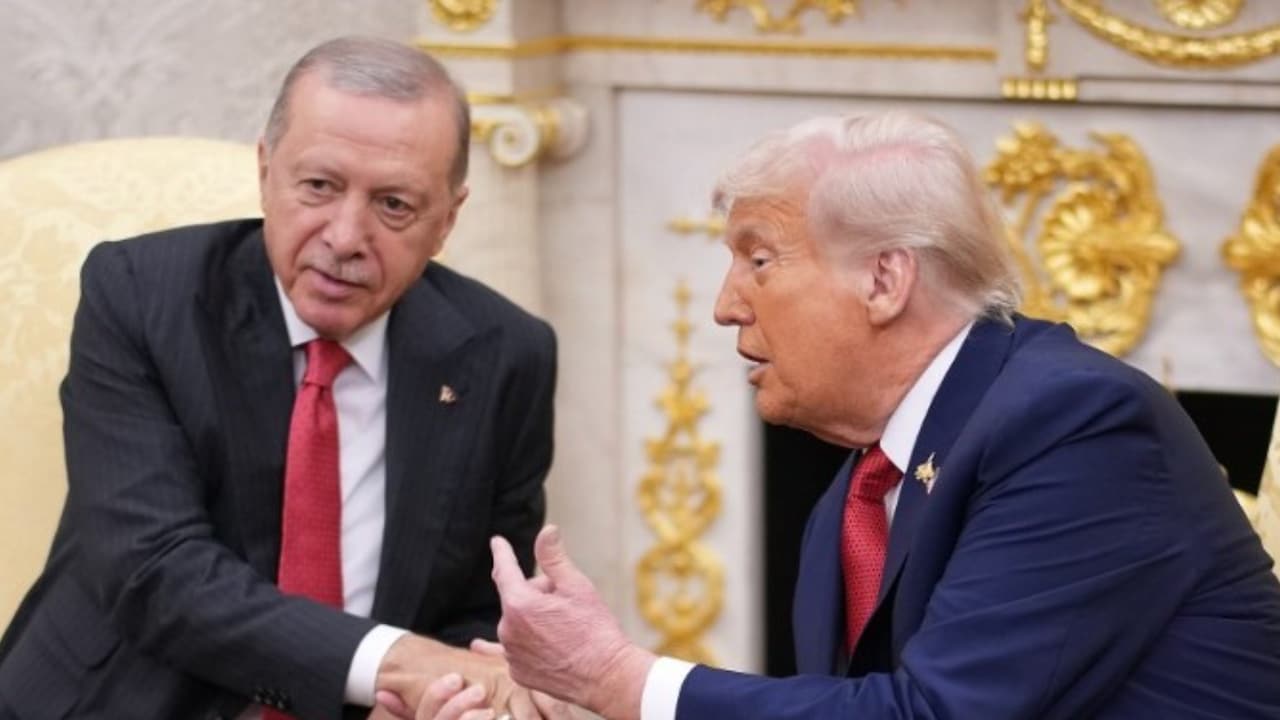
President Donald Trump announced that the United States is keeping its dialogue with Iran low‑key while the Hormuz Strait remains deadlocked. He likened the situation to a game of chess, promising a resolution will emerge.
Key Takeaways
- Trump signals a low‑key diplomatic approach with Iran.
- Tensions persist at the strategic Hormuz Strait.
- U.S. strategy focuses on economic pressure rather than direct military action.
Trump’s Remarks in Recent Interview
In a recent interview, President Donald Trump stated that the United States is "low‑keying" its ongoing talks with Iran. "It’s a chess game, and we’ll come out on top," he said, sparking intense debate among foreign‑policy analysts.
Stalemate at the Hormuz Strait
The Hormuz Strait, a vital oil conduit, remains effectively blocked due to escalating friction between Tehran and Washington. Both sides have opted for economic sanctions as leverage, avoiding overt military strikes.
Why This Matters
BozokMedia analysis shows that a low‑key diplomatic approach could reshape regional power dynamics and affect global oil prices, making the outcome critical for both investors and policymakers.
"Low‑key talks indicate a back‑channel effort that reduces the risk of accidental conflict," said international‑relations expert Dr. Alex Rivera.
Frequently Asked Questions
Q1: Will this low‑key dialogue affect Iran’s nuclear program?
A: The current focus is on easing the Hormuz deadlock; nuclear negotiations remain a separate track.
Q2: What are the primary tools of U.S. economic pressure?
A: Key instruments include financial sanctions, export restrictions on oil, and coordination with international banking institutions.