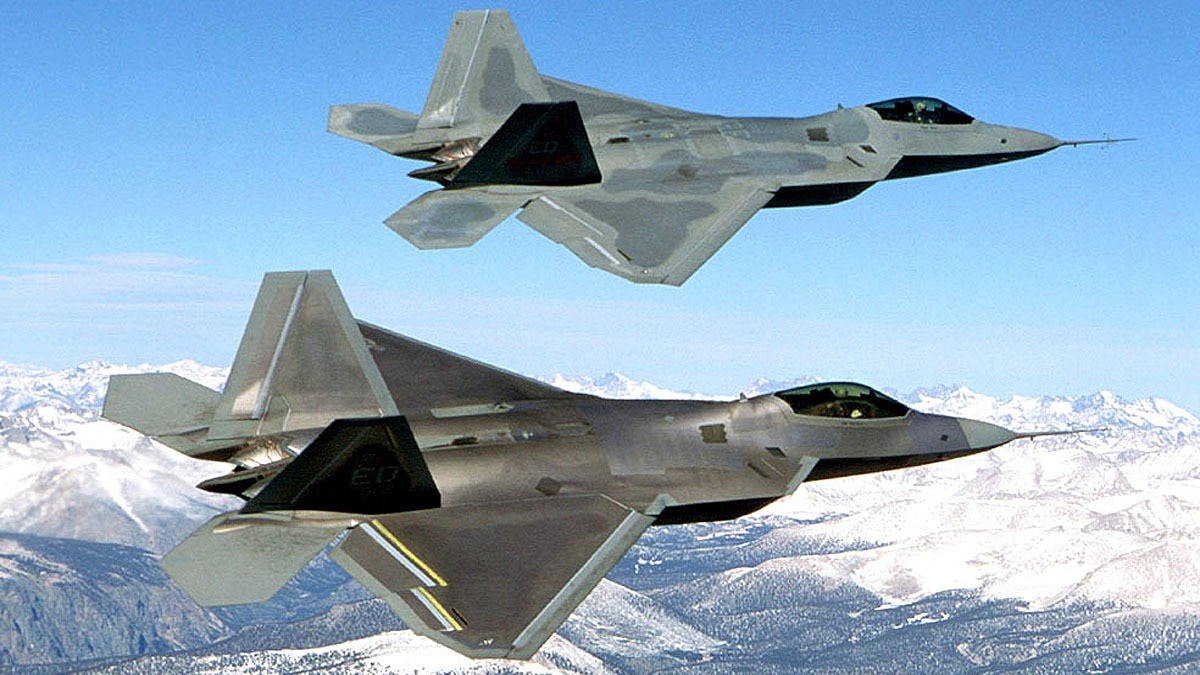
The US military's reliance on Chinese-made components for fighter jets and missiles has sparked national security alarms. This report examines the vulnerability of the Pentagon's supply chain.
Key Takeaways
- Deep Chinese penetration into the US military supply chain.
- Reliance on Beijing for rare earth minerals and critical components for missiles.
- US strategic shifts to mitigate national security risks.
Recent strategic analyses indicate that the United States, despite its global military dominance, remains heavily reliant on components manufactured in China for its advanced hardware, including fighter jets and missile systems. This creates a precarious strategic paradox where Washington competes with Beijing while simultaneously depending on it for the tools of war.
Why This Matters
BozokMedia analysis shows that should geopolitical tensions escalate to a point where Beijing decides to weaponize its supply chain, US defense production could face catastrophic delays. This is not merely a trade dispute but a fundamental security vulnerability that could compromise operational readiness during a conflict.
"Military superiority is an illusion without supply chain sovereignty; China has strategically exploited this blind spot."
Historical Background
For decades, the US pursued a policy of cost-optimization by outsourcing manufacturing. China leveraged this trend to transform itself into the 'world's factory.' Over time, this dependency shifted from consumer electronics to high-grade military materials, leaving the US in a position where decoupling is now an expensive and complex logistical nightmare.
Frequently Asked Questions
Q1: Can the US reduce its reliance on China?
Yes, through 'friend-shoring' and reviving domestic manufacturing, though the transition will take years of investment.
Q2: Would China actually cut off supplies?
While it would hurt Chinese exports, Beijing might use supply disruptions as a strategic lever during high-stakes diplomatic conflicts.