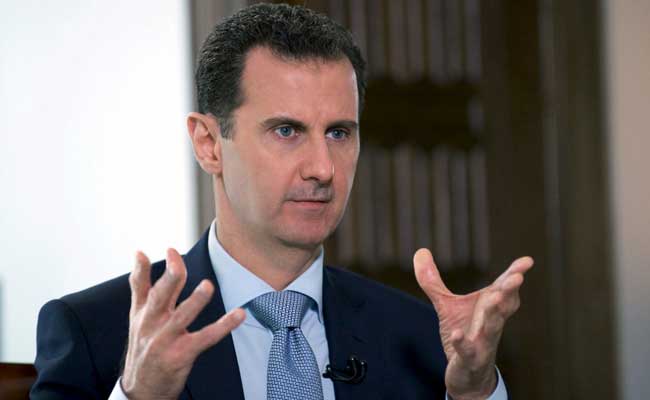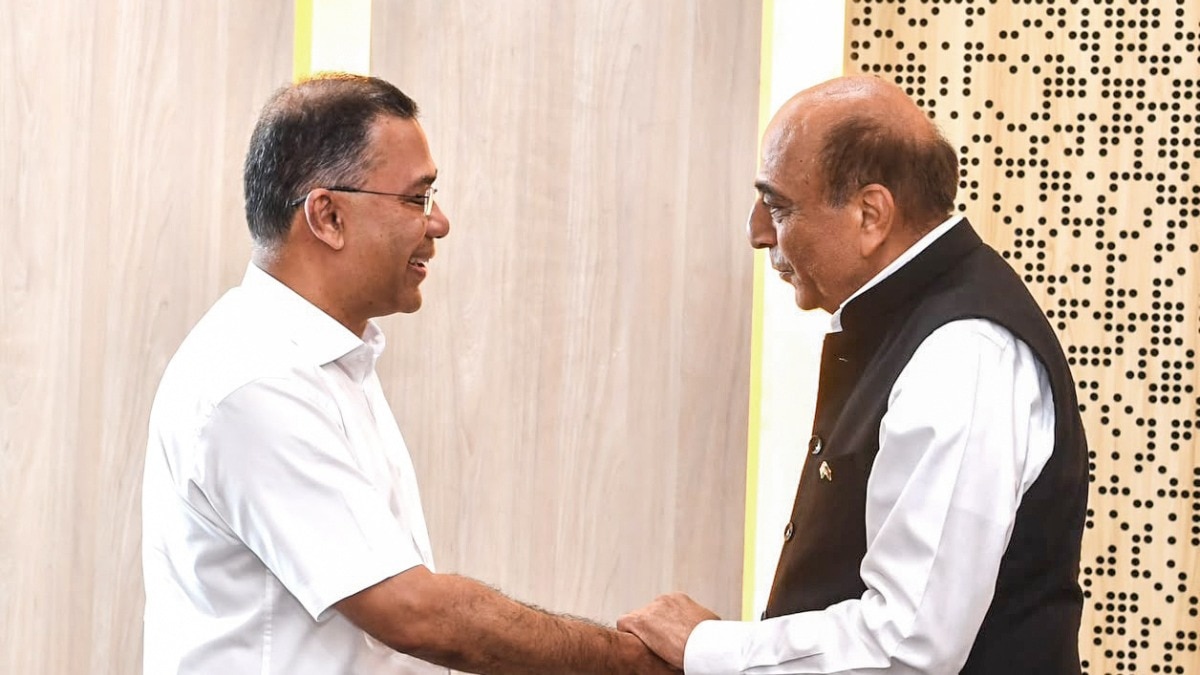
Indian envoy Dinesh Trivedi's high-level talks with PM Tarique Rahman signal a mutual desire to prevent the Sheikh Hasina controversy from derailing bilateral cooperation.
Key Takeaways
- Indian High Commissioner Dinesh Trivedi met Bangladesh PM Tarique Rahman to reset ties.
- Dhaka has formally urged India to expedite the extradition of Sheikh Hasina.
- India has distanced itself from Hasina's recent public criticisms of the interim government.
- Critical issues like the 1996 Ganga Water Treaty remain pending for resolution.
India and Bangladesh are attempting to steer their relationship away from a diplomatic precipice. Indian High Commissioner Dinesh Trivedi recently held pivotal discussions with Bangladesh Prime Minister Tarique Rahman, aiming to decouple the broader bilateral agenda from the contentious presence of ousted leader Sheikh Hasina in India.
The tone from New Delhi has been notably conciliatory. The Indian High Commission emphasized a "people-centric approach" and a desire to work in a "positive and forward-looking manner." This diplomatic push comes just before Rahman's potential visit to New Delhi for the BRICS summit, where he may attend as the chairperson of BIMSTEC.
Why This Matters
BozokMedia analysis shows that India cannot afford a prolonged freeze in relations with Dhaka. With the 1996 Ganga Water Treaty set to expire on December 31, any diplomatic deadlock could lead to severe water-sharing conflicts. Furthermore, security cooperation along the porous border is essential to curb insurgency and illegal migration, making a stable relationship with the Rahman administration a national security priority for India.
"We don't share borders; we share dreams. Problems are solved when we talk to each other, and dialogue is the only sustainable path forward." — Dinesh Trivedi
However, the "Hasina hiccup" remains a significant hurdle. Bangladesh's Foreign Minister Khalilur Rahman asserted that the extradition of Hasina—who faces death sentences for crimes against humanity—is a non-negotiable concern for Dhaka. The Bangladesh government is seeking an "enabling environment" from India to move forward, which essentially means cooperation on legal extraditions.
Frequently Asked Questions
1. Why is Bangladesh demanding Sheikh Hasina's extradition?
The Bangladesh government has sentenced her to death for crimes against humanity and views her presence in India as a hurdle to justice.
2. What is India's official stance on Hasina's recent remarks?
The Ministry of External Affairs (MEA) stated that her media interaction was a private event and the Indian government does not endorse her statements against the current Bangladesh government.