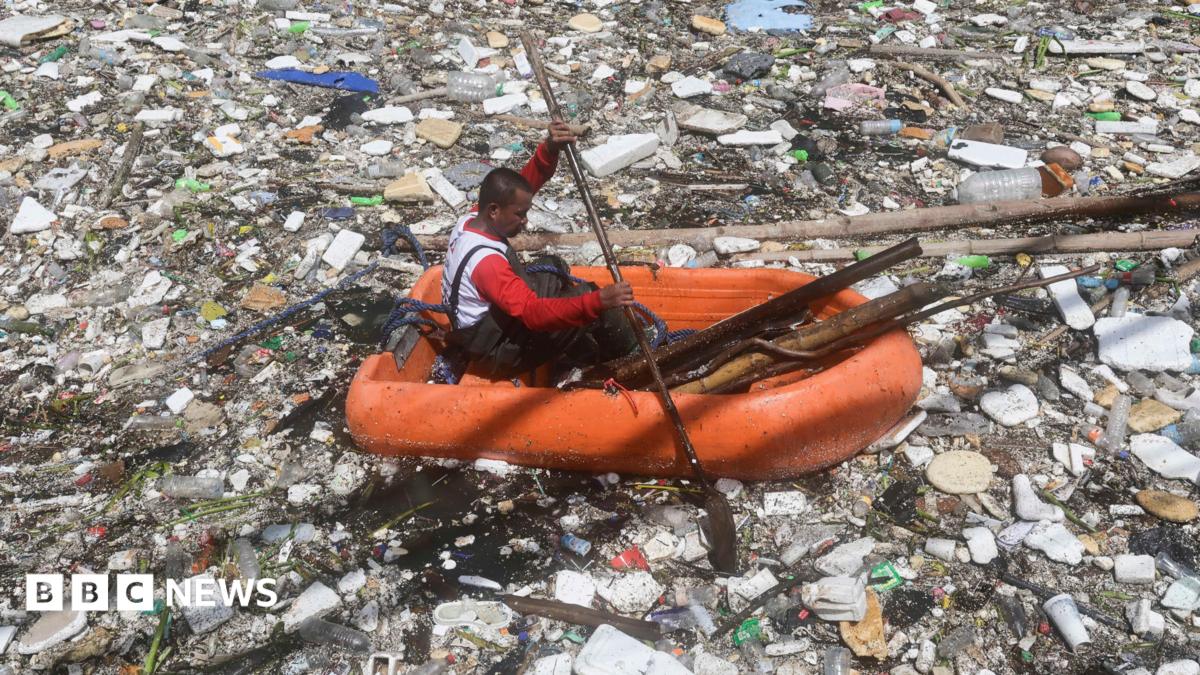
Workers in Manila are struggling to clear massive amounts of debris washed into rivers following nine days of relentless torrential rain and tropical storms. The extreme weather has left a trail of destruction across the Philippines.
Key Takeaways
- Extreme rainfall, equivalent to a month's worth of rain, has flooded Manila's waterways.
- Tropical storms have caused widespread closures of schools and government offices in Luzon.
- At least 16 fatalities have been reported due to floods and landslides in the northern Philippines.
In the aftermath of devastating tropical storms, the rivers of Manila have become choked with a massive tide of rubbish. Local workers were seen wading through thick layers of floating waste and polluted water, attempting to clear the debris that was washed into the river systems during nine days of unrelenting downpours.
The intensity of the rainfall was unprecedented, with some regions receiving more precipitation in a single week than they typically receive in an entire month. This meteorological anomaly has caused significant disruption across the main island of Luzon, forcing authorities to shut down educational institutions and government offices to ensure public safety.
Why This Matters
BozokMedia analysis shows that the intersection of extreme weather patterns and inadequate waste management creates a lethal combination. When heavy rains hit urbanized areas with poor drainage and high plastic consumption, the resulting floods are not just water-based but are heavily laden with hazardous pollutants, complicating rescue and recovery efforts.
The scale of debris in these waterways highlights a critical need for integrated disaster management and aggressive urban waste reforms.
The human cost of this weather event is mounting. Rescuers confirmed on Monday that at least 16 people have lost their lives due to floods, landslides, and related accidents in the northern parts of the Philippines. The situation remains volatile as emergency services continue to navigate the affected zones.
Historical Background
The Philippines is situated in a highly active typhoon belt, making it one of the most disaster-prone nations in the world. As global temperatures rise, the intensity of these tropical storms is increasing, putting immense pressure on the country's infrastructure and environmental resilience.
Frequently Asked Questions
Question 1: What caused the sudden flooding in Manila?
Answer: A combination of nine days of heavy rainfall and tropical storms, coupled with waste-blocked waterways, caused the flooding.
Question 2: How many people have been affected by the storms?
Answer: While the total number of affected people is high, at least 16 fatalities have been officially confirmed due to floods and landslides.