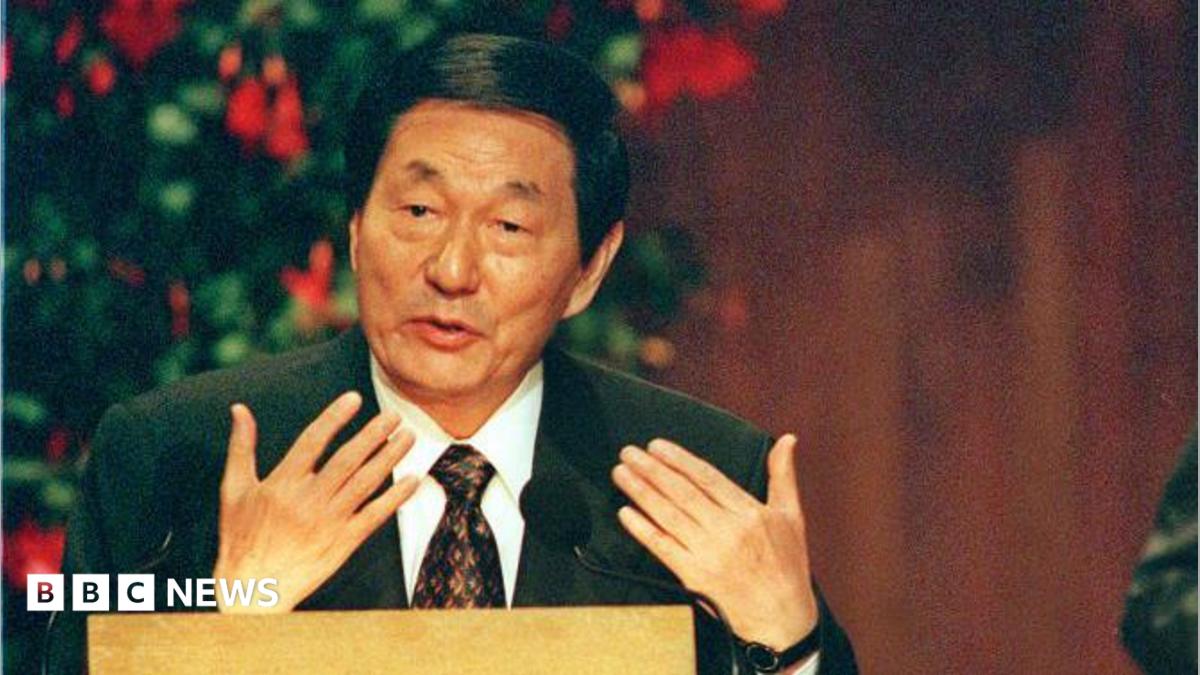
Zhu Rongji, the transformative leader who propelled China into the WTO and spearheaded landmark economic reforms, has died at the age of 97. His legacy shaped China into a global manufacturing giant.
Key Takeaways
- Former Chinese Premier Zhu Rongji passed away at age 97.
- Architect of China's entry into the World Trade Organization (WTO).
- Led massive economic reforms, including privatization of state firms.
- Renowned for his pragmatic approach and fierce stance against corruption.
Zhu Rongji, the former Premier of China who was instrumental in transforming the nation into a global trading behemoth, has died at the age of 97. Serving as the country's second-highest official from 1998 to 2003, Zhu's leadership marked a turning point in China's modern history, moving it from a closed communist economy to an integrated global powerhouse.
Zhu is best remembered for spearheading the complex negotiations that secured China's entry into the World Trade Organization (WTO) in 2002. This monumental achievement opened Chinese industries to the global market and triggered an unprecedented wave of foreign direct investment. Beyond trade, he aggressively pushed for domestic reforms, such as centralizing tax powers and privatizing inefficient state-owned enterprises.
Why This Matters
BozokMedia analysis shows that Zhu Rongji's tenure was the catalyst for China's 'economic miracle.' While his reforms brought double-digit growth, they also fundamentally altered the social fabric of the country, leading to both massive wealth creation and significant social challenges like rising inequality and mass layoffs.
Zhu was a rare leader who was unafraid to challenge the status quo, often using blunt language to criticize corruption and systemic inefficiency.
Historical Background: Born in Hunan province in 1928, Zhu's journey was not without struggle. An electrical engineer by training, he was purged twice during the political upheavals of the Mao era for criticizing 'irrational' economic policies. However, his resilience allowed him to rise through the ranks to become the architect of China's modern economy.
Frequently Asked Questions
Question 1: What was Zhu Rongji's primary legacy?
Answer: His primary legacy is the integration of China into the global economy via the WTO and the modernization of its financial and industrial sectors.
Question 2: Were his reforms controversial?
Answer: Yes, while they drove massive growth, they also resulted in approximately 30 million layoffs and increased the wealth gap in China.